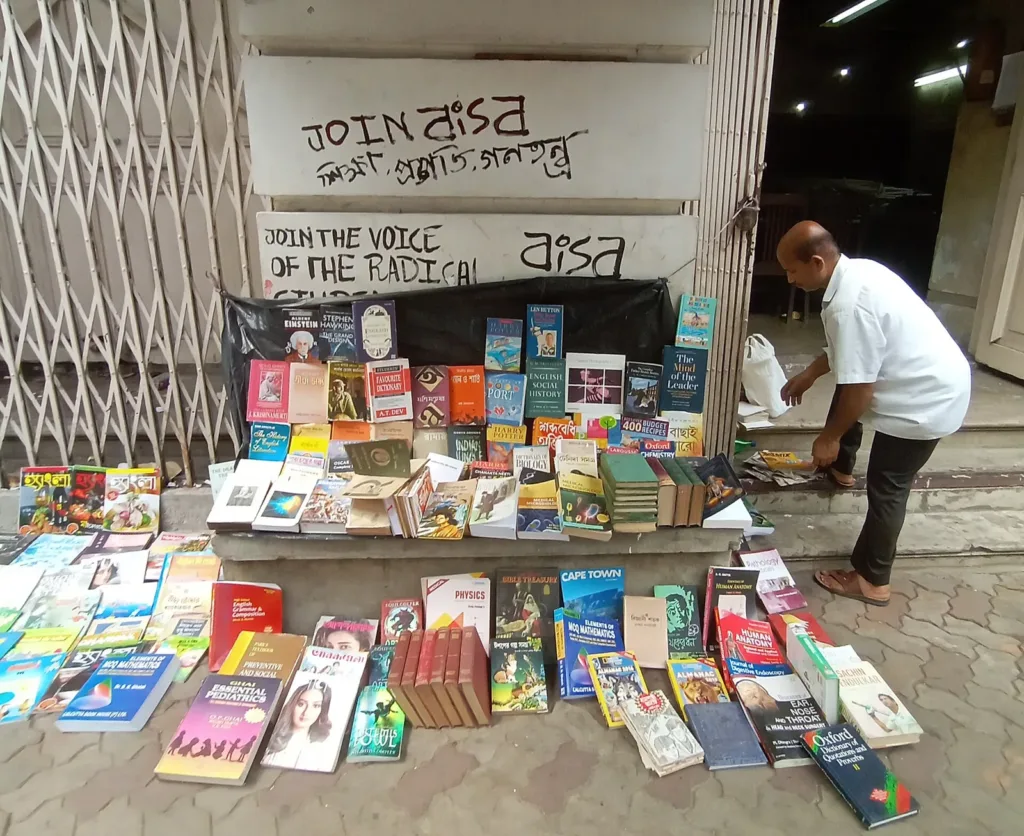
Representative image. Billjones94, CC BY-SA 4.0, Wikimedia Commons

हिन्दी में सारांश Summary in Hindi
- ग्निमित्रा पाल ने बताया।
- कोलकाता के कॉलेज स्ट्रीट पुस्तक बाजार और टेंगरा चाइना टाउन के पुनर्विकास में NBCC परियोजना प्रबंधन सलाहकार होगा।
- सूची में बैंकॉक मॉडल पर हॉकर ज़ोन, झुग्गी पुनर्विकास, सार्वजनिक शौचालय और चंदननगर और हुगली के दोनों किनारों पर रिवरफ्रंट व नवद्वीप के घाट भी हैं।
বাংলায় সারাংশ Summary in Bangla
- গ্নিমিত্রা পাল।
- কলকাতার কলেজ স্ট্রিট বইপাড়া ও ট্যাংরা চায়না টাউনের পুনর্গঠনে NBCC প্রকল্প পরিচালন পরামর্শদাতা হবে।
- তালিকায় ব্যাংকক মডেলে হকার জোন, বস্তি উন্নয়ন, শৌচাগার এবং চন্দননগর ও হুগলির দুই পাড়ে রিভারফ্রন্ট এবং নবদ্বীপের ঘাটও আছে।
Why it matters
College Street's book market and Tangra's Chinatown are the first two projects on the list, so traders and residents there now know their areas are in line for redevelopment. The hawker plan could move vendors off pavements into fixed zones; the rules on sites and rent, once written, will decide what changes for street vendors.
The Kolkata College Street book market and the Tangra Chinatown are among nine urban projects the West Bengal government has handed to National Buildings Construction Corporation (NBCC) for planning and supervision. The state’s Urban Development and Municipal Affairs (UD&MA) department signed the agreements with NBCC on Tuesday, 3 November 2026, Urban Development minister Agnimitra Paul said.
NBCC will act as project management consultant (PMC): the agency that plans the work, oversees execution and monitors it. The list runs from Kolkata to Chandannagar and Nabadwip, and includes hawker zones, slum redevelopment, public toilets and a much larger idea for both banks of the Hooghly.
Kolkata College Street and eight other projects
Hindusthan Samachar, a news agency, reported that nine separate memoranda of understanding (MoUs) were signed at Nagarayan, the UD&MA headquarters, and numbered them. The Times of India described the signing as one MoU covering several projects. Dainik Jagran’s Kolkata bureau reported MoUs for nine projects. The table below joins the three accounts.
| No. | Project | Where | What the reports say is planned |
|---|---|---|---|
| 1 | College Street (Boi Para) redevelopment | Central Kolkata | Modern facilities while keeping its identity as a book market |
| 2 | Tangra Chinatown redevelopment | East Kolkata | Development in keeping with its Chinese heritage, with international architects and consultants |
| 3 | Riverfront development | Chandannagar | Riverfront work; no further detail given |
| 4 | Government housing | Bidhannagar (Salt Lake) | Feasibility study and redevelopment of government housing complexes |
| 5 | Public toilets | Several places across the state | New toilets; locations not listed |
| 6 | Hawker and vending zones | Kolkata, Howrah, Bidhannagar | Bangkok-style zones: food streets, food courts, mobile food vehicles, temporary markets |
| 7 | Slum redevelopment | Kolkata | Permanent housing for families now living in slums |
| 8 | Hooghly riverfront, both banks | Kolkata and Howrah | A Marine Drive style front with a four-lane road, walkways, cycle tracks, hotels and offices |
| 9 | River ghats | Nabadwip | Development of the ghats |
The Times of India named the civic bodies and agencies involved: the Kolkata Municipal Corporation (KMC), Howrah Municipal Corporation (HMC), Bidhannagar Municipal Corporation (BMC), Chandannagar Municipal Corporation (CMC), Nabadwip Municipality, the State Urban Development Agency (SUDA) and the Kolkata Metropolitan Development Authority (KMDA). The same report placed hawker relocation and slum development in Howrah, Bidhannagar and Kolkata. Two of the nine sit outside the Kolkata area altogether: the riverfront at Chandannagar in Hooghly district and the ghats at Nabadwip in Nadia district.
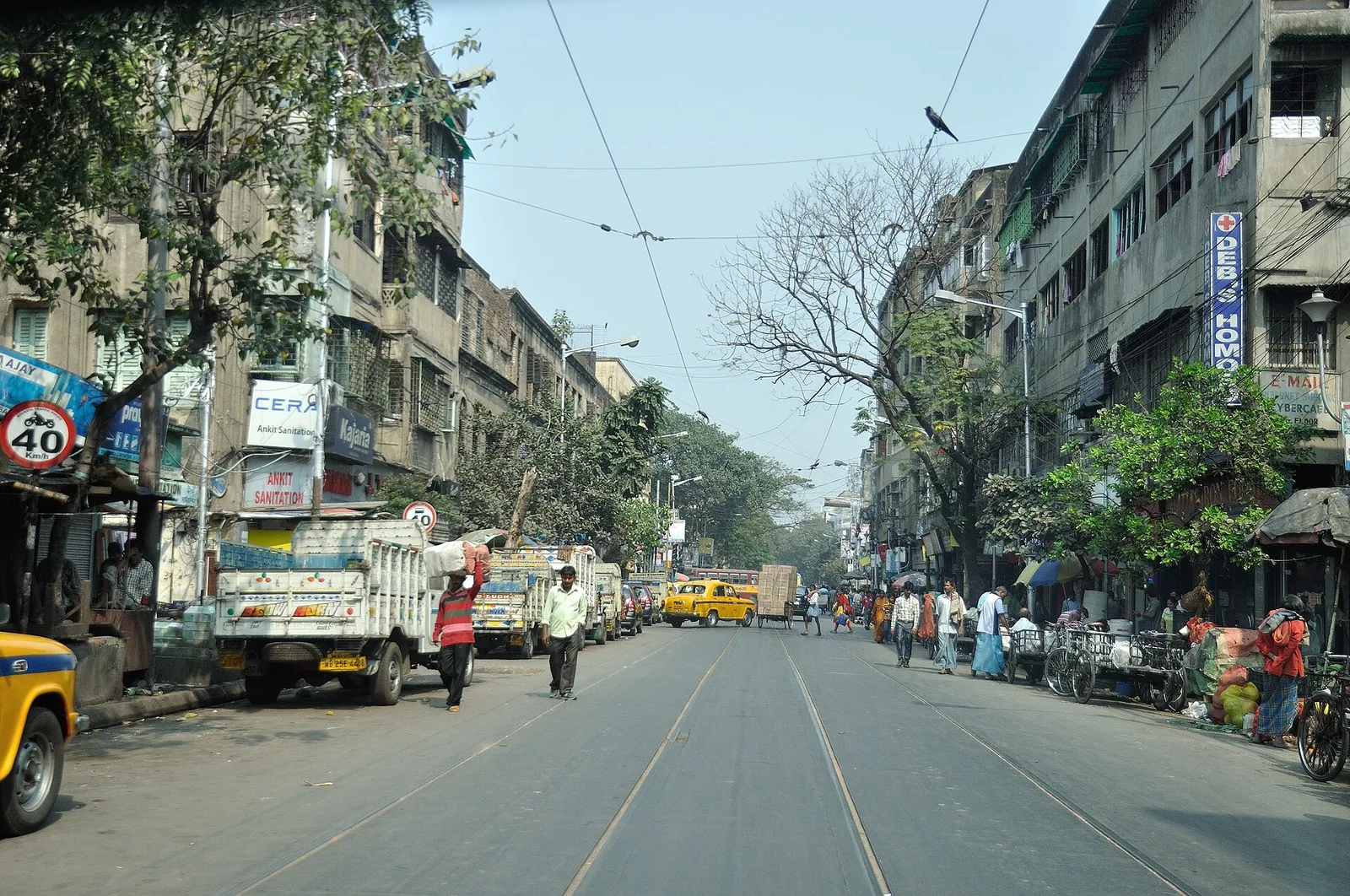
What is planned for Boi Para and Tangra Chinatown
College Street, known in Bengali as Boi Para (the book neighbourhood), is the city’s old book market. According to Hindusthan Samachar and Dainik Jagran, the first agreement is meant to modernise the area without changing its character as a book market. Neither report said whether stalls would be moved, rebuilt or kept as they are.
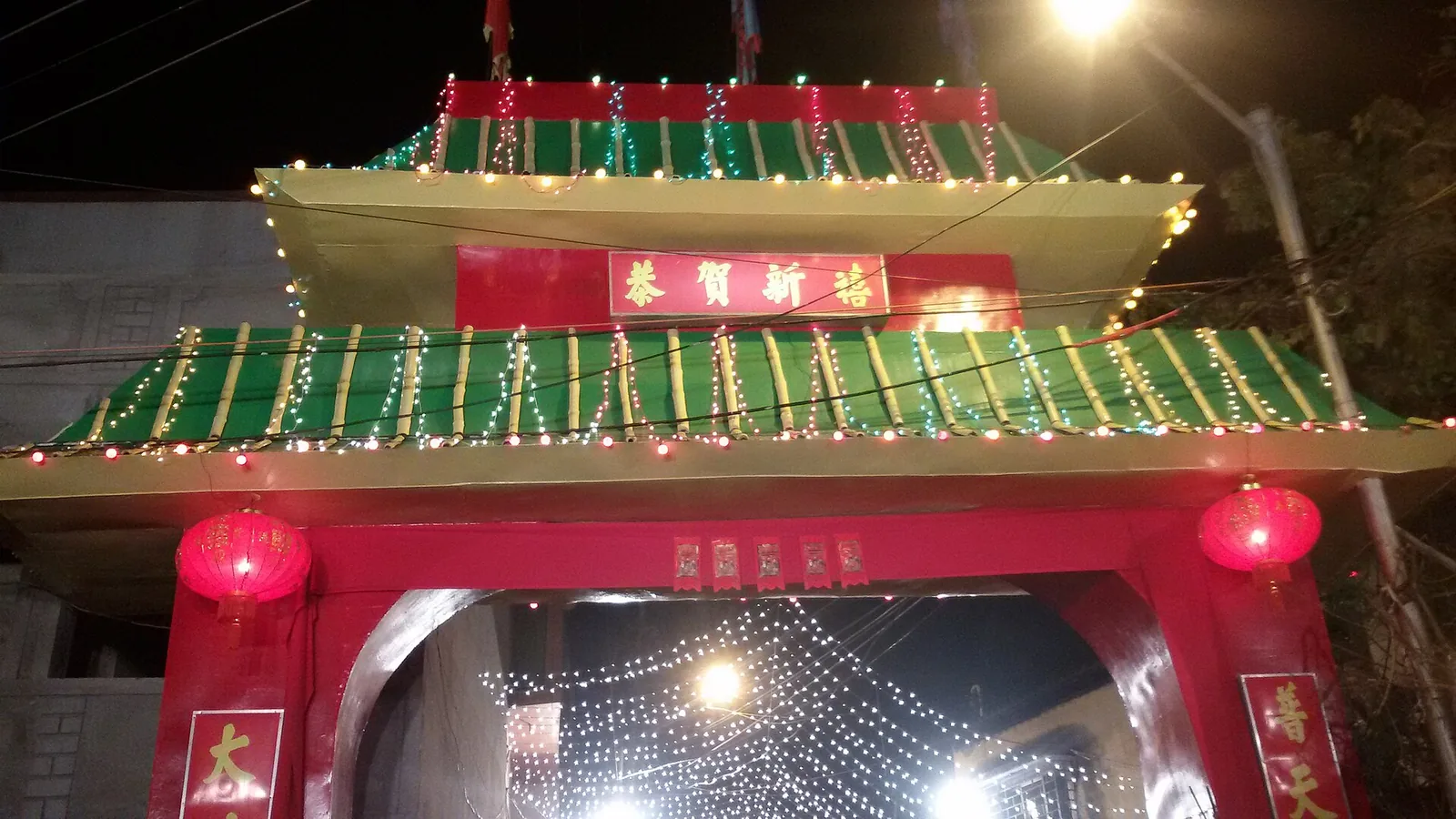
For the Tangra Chinatown in Kolkata, the second agreement aims to redevelop it while keeping its Chinese cultural identity, and the state plans to bring in internationally known architects and consultants for it, both reports said. Neither report named the firms.
Paul said the government wants to learn from cities such as London, Bangkok and Singapore, and from France, and adapt what works to Bengal’s needs. Hindusthan Samachar reported her as saying the aim was not to turn Kolkata into a copy of Singapore.
Kolkata hawker zones on the Bangkok model
For street vendors, the sixth agreement is the one to watch. Instead of keeping hawkers on pavements, the government is considering dedicated food streets, food courts, mobile food vehicles and temporary markets, Hindusthan Samachar reported. It added that a QR (quick response) code system for paying rent and fees digitally was being considered. Jagran placed these zones in Kolkata, Howrah and the Bidhannagar area.
These Kolkata hawker zones are options under discussion, not a scheme with rules yet. None of the three reports gave the number of hawkers who would be covered, the sites, the rent or how vendors would apply.
A Hooghly riverfront and a metro idea sent to the Prime Minister’s Office
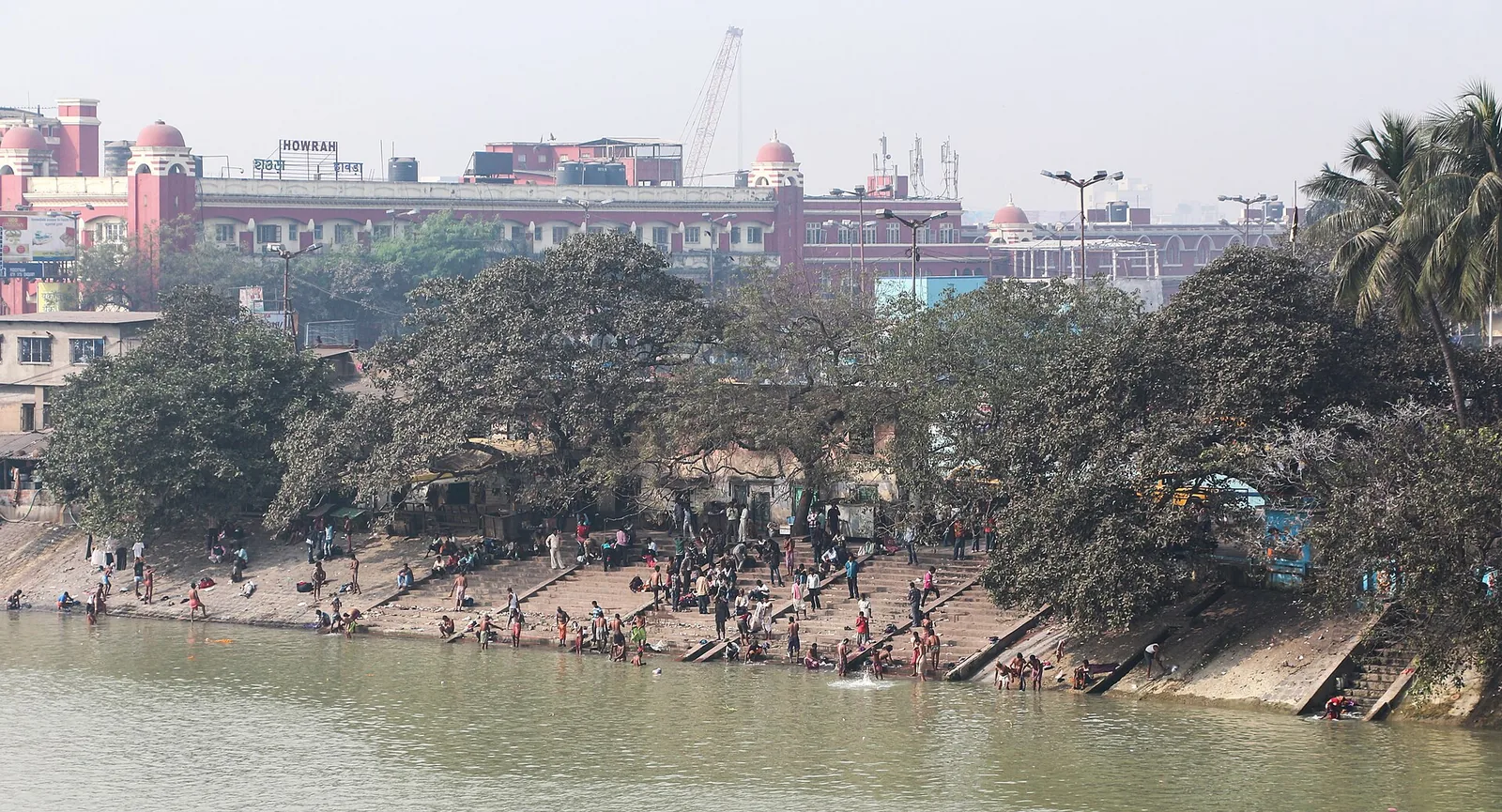
The biggest proposal is a Hooghly riverfront on both banks, in Kolkata and Howrah. Paul compared it with Mumbai’s Marine Drive. The reports listed a four-lane road, pedestrian paths, cycle tracks, hotels and office space as part of the idea. The state is already in touch with a company from the Netherlands about cycle tracks, the Times of India and Hindusthan Samachar reported.
The Times of India reported Paul as saying she wanted the whole stretch from Diamond Harbour to Esplanade developed, with a metro line below the river if that proved possible. The state has shared the idea with the Prime Minister’s Office (PMO). It would need coordination among several agencies, including the Kolkata port authorities, the Railways, the Public Works Department and the Transport department, according to the reports.
This part is a vision, not an approved project. The reports did not say the PMO had responded.
What changes for Kolkata residents now
For now, nothing on the ground. The NBCC MoU signing appoints a consultant; they do not by themselves start construction, move any stall or change any rule. None of the three reports read gave a cost, a start date, a completion date or a public notice for any of the nine projects.
The groups most likely to feel the projects later are Kolkata College Street booksellers and buyers, Tangra’s residents and restaurant owners, hawkers in Kolkata, Howrah and Salt Lake, families in Kolkata’s slums, and people living in government housing in Bidhannagar. For official updates, the bodies named above (KMC, HMC, BMC, KMDA and the UD&MA department) are the ones that would issue them. NewsPlainly follows West Bengal government decisions on its West Bengal page.
Paul credited NBCC with work on national projects such as Bharat Mandapam in New Delhi, Hindusthan Samachar reported. NBCC’s role here, the minister said according to Jagran, covers planning, execution and monitoring. The Times of India’s report on the signing lists the civic bodies that will work with it.
Frequently asked questions
Will College Street bookstalls be moved?
The reports read did not say. They said the aim is to modernise College Street while keeping its character as a book market.
What is NBCC's role in the Kolkata projects?
NBCC is the project management consultant. The minister said it will handle planning, execution and monitoring, Dainik Jagran reported.
Which areas of West Bengal are covered?
Kolkata (College Street, Tangra, slums), Howrah and Bidhannagar (hawker zones), Bidhannagar government housing, Chandannagar and Nabadwip riverfronts, both Hooghly banks, and toilets across the state.
When will the work start?
None of the three reports read gave a start date, a completion date or a cost.