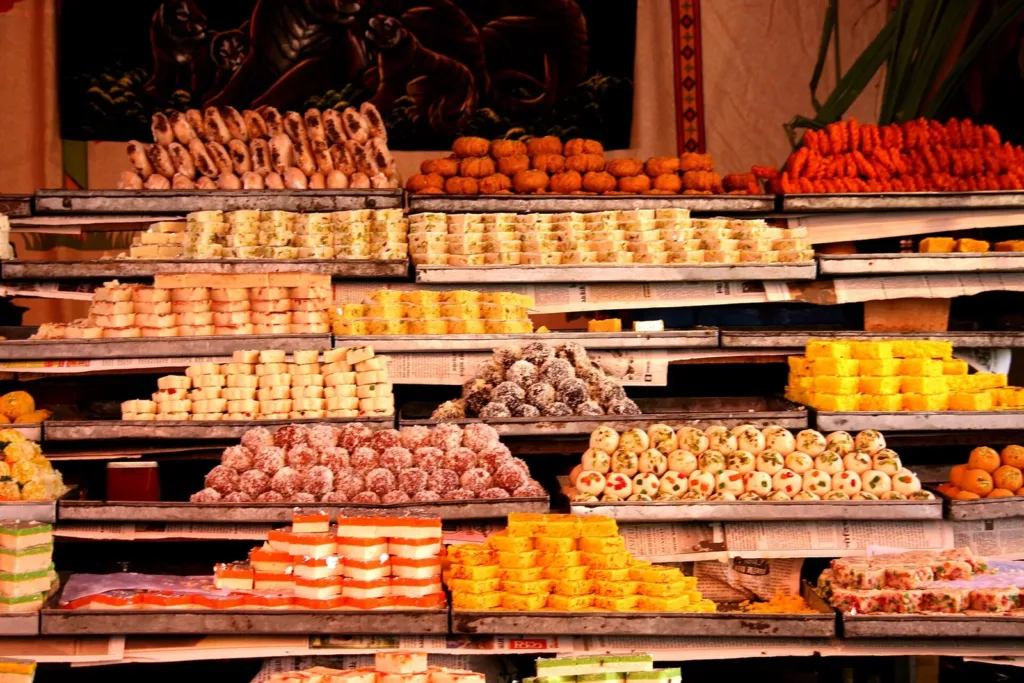
Representative image. Felipe Skroski, CC BY 2.0, Wikimedia Commons

Why it matters
Paneer, ghee, milk and sweets were among the foods seized in a drive aimed at festive season adulteration. About one in five inspections ended in a notice to fix faults. Buyers can check a shop's licence and report suspected adulteration themselves through FSSAI's app.
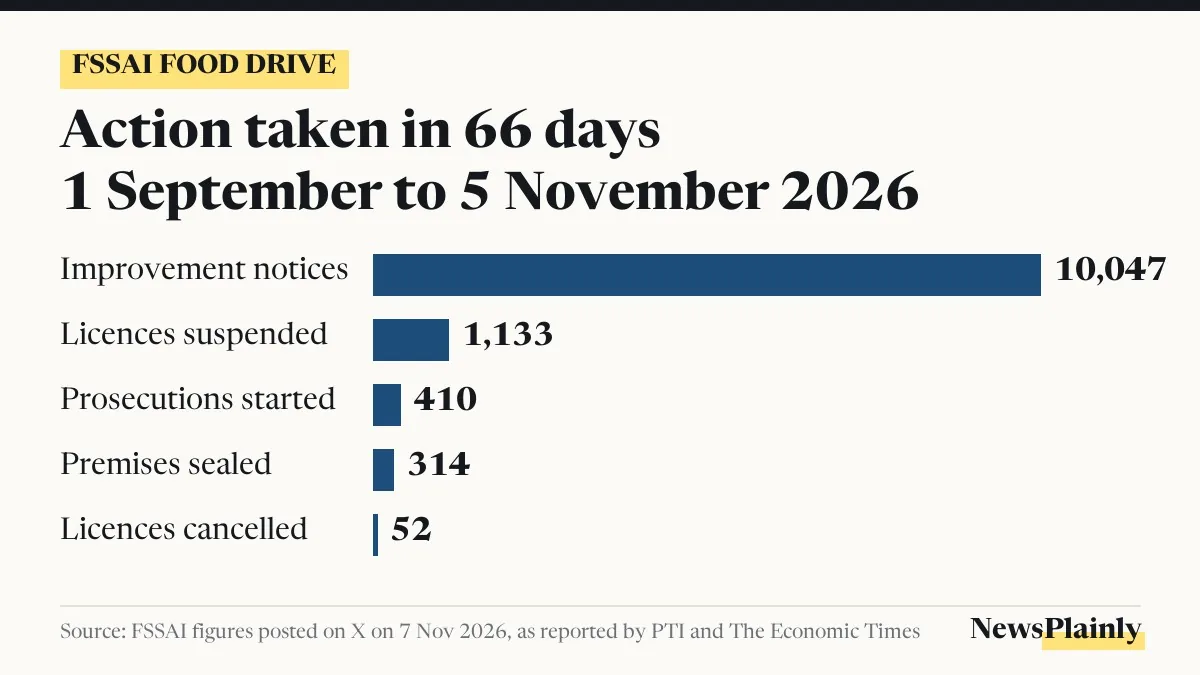
The FSSAI food safety drive that ran across India from 1 September to 5 November 2026 ended with 1,133 food licences suspended, 52 cancelled and 314 establishments sealed, the Food Safety and Standards Authority of India (FSSAI) said. Authorities seized 3,279.57 tonnes of food, about 3,280 tonnes, valued at ₹81.80 crore, according to figures the regulator posted on X on Saturday, 7 November, as reported by the Press Trust of India (PTI) and The Economic Times.
The drive began on 1 September to check adulteration during the festive season, PTI reported. Paneer, ghee, milk and sweets were among the products seized. FSSAI, the national food regulator under the Union Health Ministry, said it was working with state food safety departments on the checks.
What the FSSAI food safety drive found
The regulator said 56,431 food establishments were inspected over the period, PTI reported. The Economic Times, which put the number at more than 56,000, carried the fuller set of figures FSSAI shared.
The seized stock was described by the regulator as “banned and non-compliant” food products. Of the actions taken against food business operators, the most common was the improvement notice: 10,047 were issued. An improvement notice is a written order telling a business what it must fix within a set time.
Suspension is a tougher step: a suspended licence stops a business from operating for the time being, while a cancelled licence ends it. In all, 1,133 licences were suspended and 52 cancelled, and 314 premises were sealed.
Testing was the slower part of the FSSAI food safety drive. According to The Economic Times, officials collected 43,939 food samples, of which 23,648 had been analysed when the figures were released. Of those, 2,273 samples failed to meet the standards. The report added that 410 prosecutions were started against those facing action.
The drive in numbers: per day and per inspection
The totals of the FSSAI food safety drive are large, so NewsPlainly worked out what they mean at the level of a single day and a single inspection. These are our calculations, using the figures reported by PTI and The Economic Times. The drive lasted 66 days, counting 1 September and 5 November.
| Measure | Inputs | Result |
|---|---|---|
| Inspections a day | 56,431 over 66 days | About 855 |
| Improvement notices per 100 inspections | 10,047 of 56,431 | About 18 |
| Licence suspensions per 100 inspections | 1,133 of 56,431 | About 2 |
| Analysed samples that failed | 2,273 of 23,648 | 9.6% |
| Samples still to be analysed | 43,939 minus 23,648 | 20,291 (46%) |
| Average value of seized food | ₹81.80 crore for 3,279.57 tonnes | About ₹249 a kg |
Two things stand out. First, almost one in five inspections led to a notice, but only about one in 50 led to a suspension, so in most cases the action reported was a notice to fix faults rather than a suspension. Second, nearly half the samples collected had not yet been tested. The failure rate of 9.6% applies only to the samples already analysed; the final count of failed samples could change as the rest are tested, and the figures reported do not say when that will happen.
The average of about ₹249 a kg is a simple division across everything seized. It mixes cheap and costly items, so it is a rough guide to the kind of stock taken, not the price of any one product.
Which foods and states were hit, and what the figures leave out
PTI’s report named paneer, ghee, milk and sweets among the seized products. The regulator said it had stepped up vigilance in view of the festivals, and the drive itself was started to check food adulteration in the festive season.
The figures reported by PTI and The Economic Times do not give a breakdown by state or by type of food, and they do not say how many tonnes of each product were seized or which states issued the most notices. They also do not name the businesses that lost their licences.
The regulator has been more active against food adulteration through 2026. PTI reported that FSSAI stepped up enforcement against food business operators and e-commerce companies this calendar year. On 21 October, NewsPlainly reported that FSSAI had sent Nestle India a notice asking it to back claims on two infant formula products with science.
How to report food adulteration to FSSAI
Consumers who suspect adulterated or unsafe food can use FSSAI’s Food Safety Connect app. In July 2026 the regulator urged people to report adulteration, expired products, poor hygiene at food outlets and wrong labels through the app, Free Press Journal reported. Users can attach photos and the location, and a complaint is sent to the food safety authority responsible for that area. The complainant can then track its status in the app.
The same app lets a buyer check whether a food business is licensed or registered with FSSAI. That lets a buyer check a sweet shop or dairy seller before buying. In 2025 FSSAI also told restaurants, dhabas, cafes and other food businesses to display their licence or registration certificate with a QR (quick response) code linked to Food Safety Connect where customers can see it, The Tribune reported. Scanning that code opens the app.
What happens to the seized food and the suspended businesses
The reports do not say what will happen to the 3,279.57 tonnes seized or when the remaining 20,291 samples will be tested. FSSAI said it will keep working with State Food Safety Authorities to improve compliance across the food chain, The Economic Times reported.
The reports also do not say how long the 1,133 food licences will stay suspended. Prosecutions are decided in court, and starting one is not a finding of guilt. The figures do not say how many of the 2,273 failed samples led to those cases.
Frequently asked questions
How many food licences did FSSAI suspend in the festive drive?
1,133 licences were suspended and 52 cancelled between 1 September and 5 November 2026, and 314 establishments were sealed, according to FSSAI's figures reported by PTI.
How much food did FSSAI seize?
3,279.57 tonnes, about 3,280 tonnes, of banned and non-compliant food worth ₹81.80 crore. Paneer, ghee, milk and sweets were among the products.
How can I report food adulteration to FSSAI?
Use FSSAI's Food Safety Connect app. You can attach photos and the location, the complaint goes to the food safety authority for that area, and you can track its status in the app.
How many food samples failed in the FSSAI drive?
2,273 of the 23,648 samples analysed failed, The Economic Times reported. That is 9.6% by NewsPlainly's calculation. Another 20,291 samples were still to be tested.