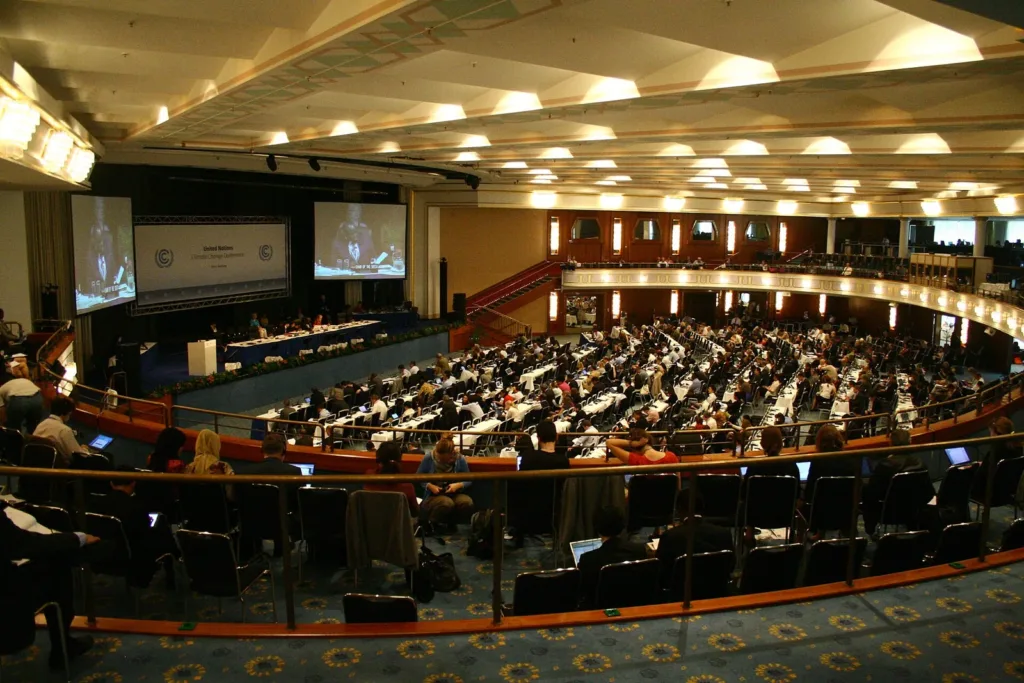
Representative image. Phinken, CC0, Wikimedia Commons

Why it matters
India’s demands concern the terms and availability of support for climate action. Readers need to distinguish a negotiating position, a voluntary initiative and an agreed decision before assessing what changes.
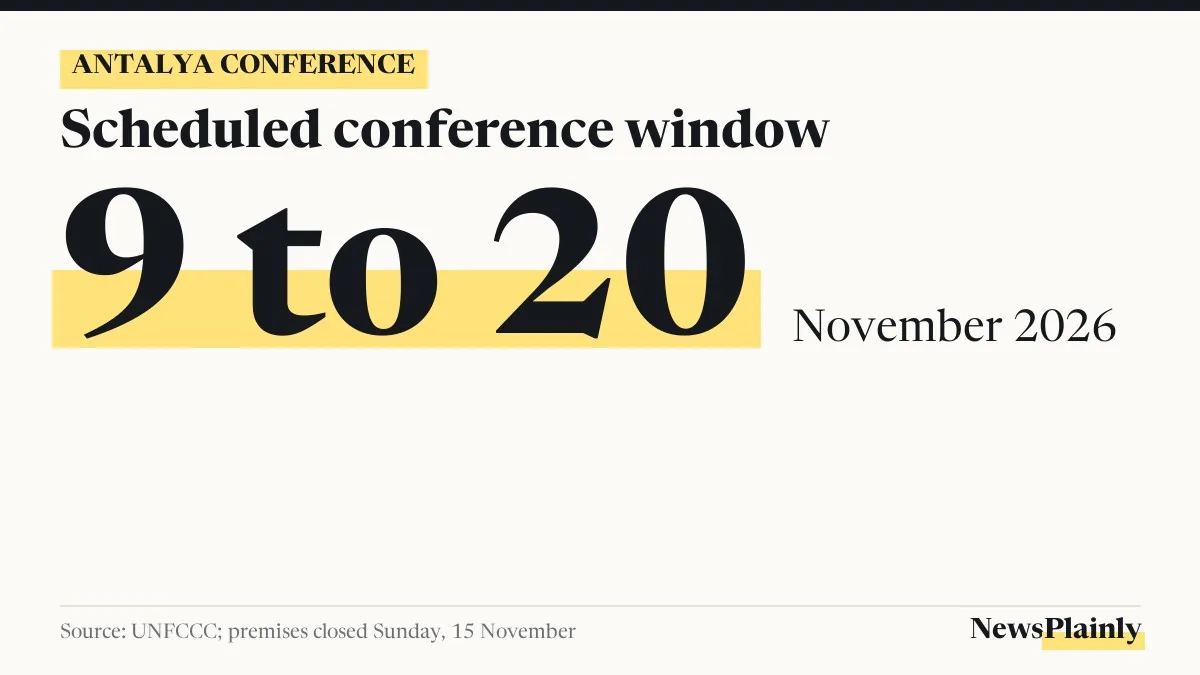
COP31, the 31st Conference of the Parties to the United Nations climate convention, is scheduled to begin in Antalya, Türkiye, on 9 November 2026, bringing India’s demands on climate finance into a new round of United Nations negotiations. The official conference calendar runs until 20 November at the Antalya EXPO Center.
For India, the opening position is already on record. In a 3 November briefing, Environment Minister Bhupender Yadav said the country would seek predictable finance, technology support and an approach that respects national circumstances. These are negotiating demands, rather than agreements that other countries have accepted.
What is starting at COP31?
The Conference of the Parties is the annual gathering of countries participating in the United Nations Framework Convention on Climate Change (UNFCCC). The convention, agreed in 1992, is the parent treaty of the 2015 Paris Agreement.
The Antalya meeting includes three formal tracks: the 31st conference under the climate convention, the 21st meeting of parties to the Kyoto Protocol and the eighth meeting of parties to the Paris Agreement. These overlapping sessions explain why the official website lists several sets of agendas and documents under one conference name.
The UNFCCC conference website provides links to session documents, daily programmes and webcasts. A conference programme is not a decision text. Its opening-day events begin a process in which countries still have to negotiate the language and substance of outcomes.
India wants funding obligations to become a practical programme
Yadav said India would seek a decision to start the Climate Finance Work Programme. His 3 November statement characterised finance under Article 9.1 of the Paris Agreement as a developed-country obligation. India wants funding to be predictable, largely public, available on concessional terms and structured without adding to debt burdens.
The same briefing said adaptation indicators should remain voluntary and should not become conditions for accessing funds. Adaptation means preparing for and responding to climate effects, while mitigation concerns reducing the emissions that drive warming. India’s position asks that the support for adapting receive attention alongside emissions policy.
On technology, India said cost, intellectual-property and trade barriers needed to be addressed. It also said participation in carbon markets should remain voluntary. Those positions define what its negotiators are seeking; they do not themselves establish a new payment, entitlement or application scheme for an Indian household.
Hosting and leading negotiations are separate jobs
Türkiye is hosting the conference, with Murat Kurum nominated as its president. Australia’s Chris Bowen is the President of Negotiations, according to the official conference information. Australia’s account of the arrangement says it has authority over the negotiations.
The two roles should not be merged into a claim that the conference has moved to Australia. Antalya remains the venue. The arrangement agreed at the previous climate conference separates hosting responsibilities from the leadership of formal negotiations.
India also drew a distinction between voluntary initiatives under the presidency’s Action Agenda and formal negotiations. In its briefing, it said those initiatives should remain separate from negotiated outcomes. A voluntary pledge announced at the venue therefore needs to be identified by its own status.
Dates and access details to keep separate
| Item | Official position | What it means for a reader |
|---|---|---|
| Conference window | 9 to 20 November | Scheduled period, rather than a guaranteed date for every decision |
| Sunday, 15 November | Conference premises closed | The calendar window is not 12 uninterrupted working days |
| Blue Zone | Accredited participants only | Watching a webcast does not confer venue access |
| Online programme | Updated as meetings are confirmed | Check each meeting’s access and webcast status |
NewsPlainly’s calculation counts 12 calendar days from 9 through 20 November, including both endpoints. The stated Sunday closure is why that should not be described as 12 consecutive days of meetings. The digital programme also distinguishes open meetings from those with limited access.
For readers in India following from home, the useful next evidence will be published decisions and dated official announcements. Our earlier report on the UN assessment of climate pledges explains the background pressure on countries. COP31’s scheduled start now puts those wider questions into another negotiating session, without predetermining its outcome.
Frequently asked questions
Where is COP31 being held?
The official participant information lists Antalya EXPO Center in Türkiye, from 9 to 20 November 2026.
Has India secured a new climate finance agreement?
This article reports India’s stated negotiating demands. The scheduled start does not establish that a new agreement has been reached.