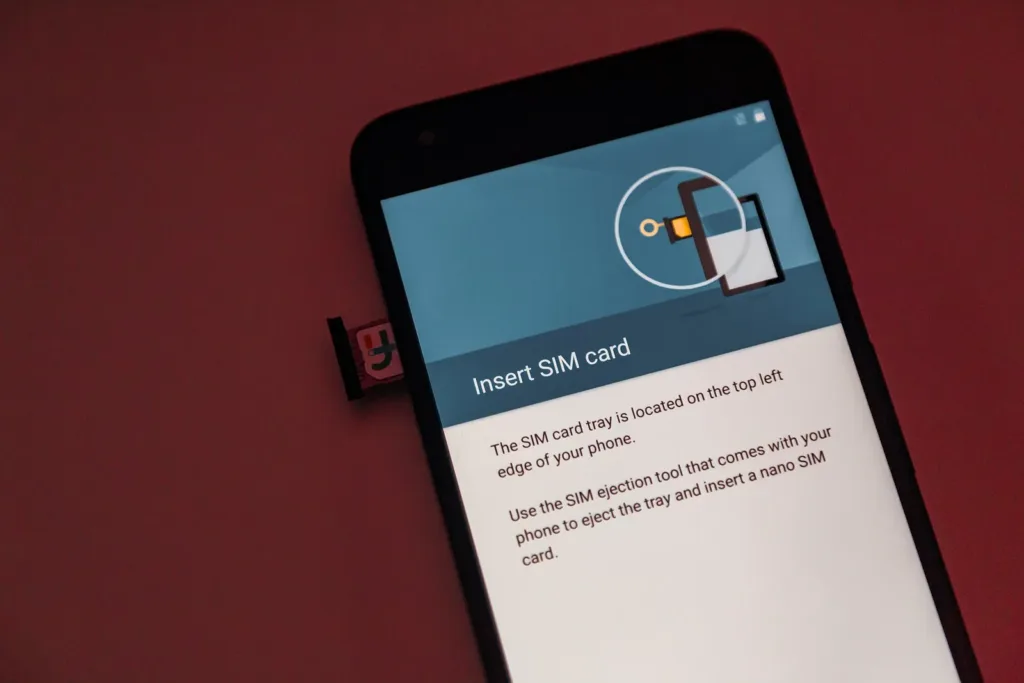
Representative image. Tony Webster from Minneapolis, Minnesota, United States, CC BY 2.0, Wikimedia Commons

Why it matters
Hundreds of millions of Indians use WhatsApp daily, and many run it on a phone or tablet without the SIM they signed up with. Those users may lose access unless they change how they set up their devices. The rule is meant to make cross-border scams using Indian numbers harder.
SIM binding, a rule that ties a messaging account to the SIM (subscriber identity module) card it was registered with, will apply to WhatsApp, Telegram and other chat apps in India from 1 January 2027. The Department of Telecommunications (DoT) has given the platforms until 31 December 2026 to put it in place, Moneycontrol and Storyboard18 reported on 22 and 23 October 2026.
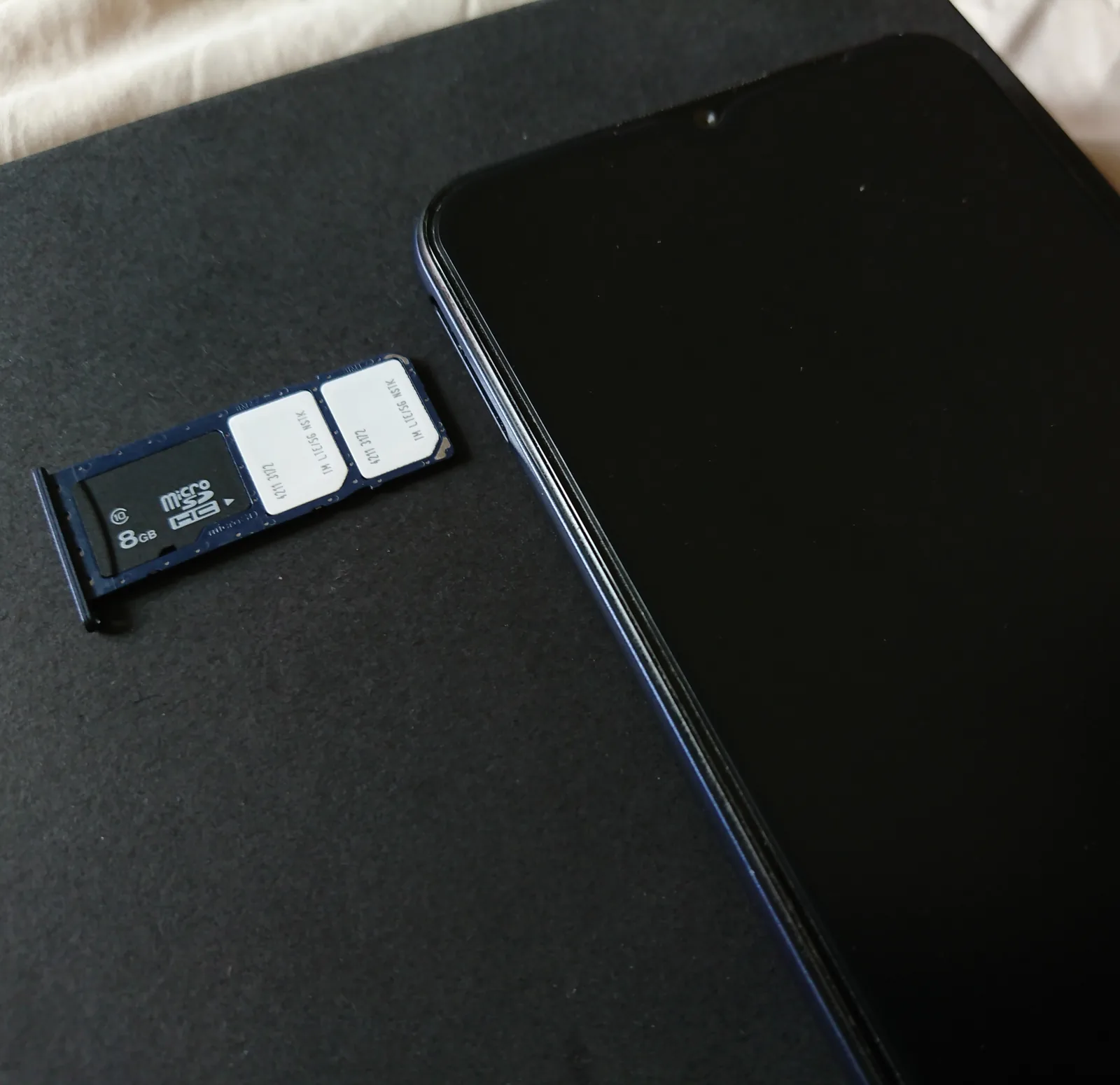
Once it applies, an app that uses your Indian mobile number to identify you will have to check that the same number is active on a SIM or eSIM inside the phone. If that SIM is taken out, swapped or switched off, the app can stop working until the number is back on the device.
What SIM binding changes for WhatsApp users
For most people who keep one phone with one SIM, SIM binding changes little. The effect falls on habits that are common in India: running WhatsApp on a second handset that has no SIM, using a Wi-Fi-only tablet, keeping the registered SIM in an old phone, or changing SIM cards often.
An eSIM, a digital SIM built into the phone, counts the same as a physical card, The Hans India reported, so a phone with the number on an eSIM should keep working. The paper also said nothing in the rules so far points to WhatsApp shutting down on any particular iPhone or Android model. The test is the SIM, not the brand.
Web and desktop versions of messaging apps are the less settled part. The original order asked services that offer a web version to log users out at least once every six hours, with a QR (quick response) code scan to reconnect, Moneycontrol reported. Storyboard18 said the government has since moved to a risk-based approach for deciding how often those logouts happen. The final interval for a laptop session has not been spelled out in the reports.
Which messaging apps fall under the SIM binding order
The SIM binding directions were first issued on 28 November 2025 under the Telecom Cyber Security Rules, 2024, according to Storyboard18. That report lists WhatsApp, Telegram, Signal, Snapchat, ShareChat, Josh, JioChat and Arattai among the services covered. The Hans India said reports suggest Snapchat is not expected to be covered, so the exact list is not yet clear.
The first deadline was 90 days away, but the DoT extended it after companies raised technical concerns. WhatsApp, which has about 500 million users in India, has started testing SIM binding in a beta (trial) version of its Android app, Storyboard18 reported. Apple has reportedly released an iOS update that helps an iPhone detect when it is running without a physical SIM, Moneycontrol said, citing an earlier report. The same report said Signal had not replied to the government’s notices.
Messaging apps that do not comply could face action under the Telecommunications Act, 2023 and the 2024 cyber security rules. The DoT is also planning a Mobile Number Verification platform to check whether a number belongs to a genuine user, according to Storyboard18.
Why the government wants a live SIM behind every account
The DoT has said some apps let people keep using an account linked to an Indian number even when that SIM was no longer in the phone, and that fraudsters, including people working from outside the country, used this gap. A gang can buy Indian SIMs, register chat accounts and then run them from abroad long after the cards are thrown away.
These accounts are used in phishing, impersonation and “digital arrest” scams, where callers pose as police or officials on a video call and pressure victims to transfer money. The government has put cyber fraud losses at over ₹22,800 crore in 2024, Storyboard18 reported. That works out to about ₹62 crore a day.
The idea is simple: if an account only works while its SIM sits in the phone, a number used for fraud stays tied to a real, KYC-verified (know your customer) connection in India, which makes it harder to run the account from somewhere else.
Who may find the WhatsApp active SIM rule hard
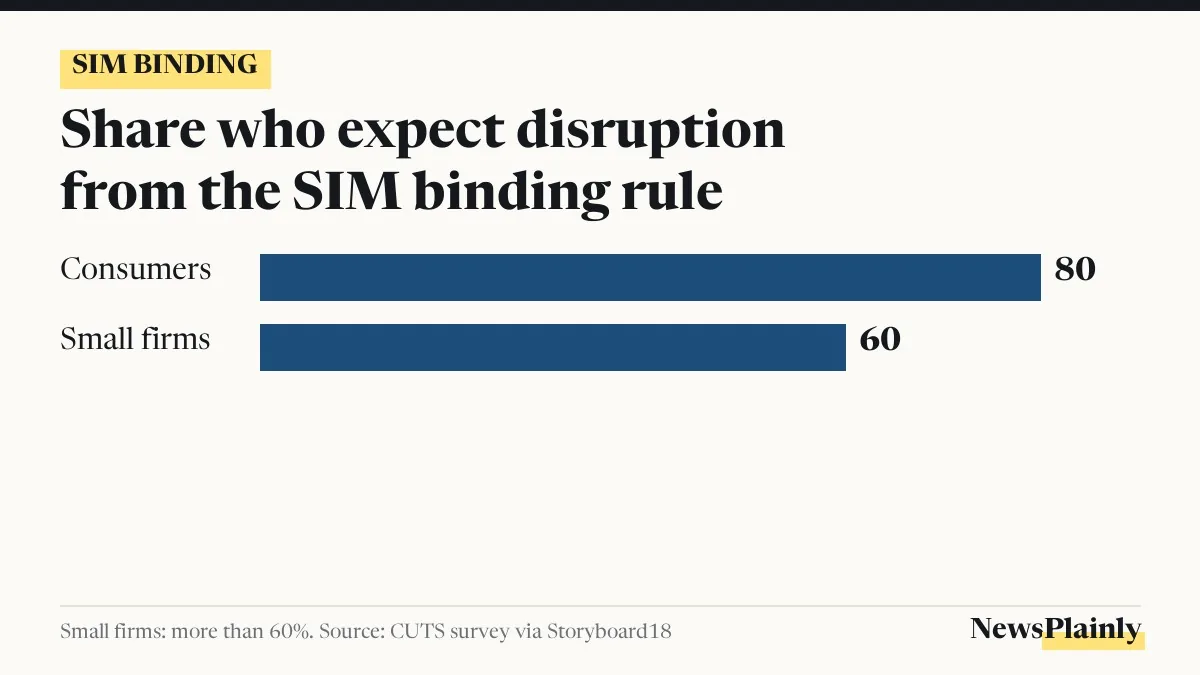
A survey by CUTS International (Consumer Unity and Trust Society), a consumer group, found that 80% of consumers and more than 60% of small businesses expected disruption from the rules, according to Storyboard18. About 86% of users said they let family members use their phone or SIM for messaging.
That last figure points to who the WhatsApp active SIM check is most likely to catch out: families where one SIM serves several people, shops that run a business account on a tablet at the counter, and workers who keep their registered SIM in a cheap phone while using WhatsApp on a better one. Travellers who swap in a foreign SIM abroad may also lose access until the Indian number is back on the device, depending on how each app applies the rule.
For readers who want to check their own setup now: open the app’s linked devices list, note which phone holds the registered SIM, and keep that SIM active with a recharge. Earlier this week NewsPlainly explained how leaked customer data feeds scam calls, the kind of fraud the new rule targets.
What happens before 1 January 2027
Messaging apps have until 31 December 2026 to switch on SIM binding, and each app will decide how and when to tell its users. The DoT has not said whether it will extend the deadline again, and the logout interval for web sessions is still to be confirmed in public.
Frequently asked questions
Will WhatsApp stop working on 1 January 2027?
Only if the SIM linked to your account is not active in the phone. With the registered SIM or eSIM in place, the app should work as before.
Does an eSIM count for SIM binding?
Yes. Reports say an active eSIM with the registered number counts the same as a physical SIM.
Why is the DoT bringing in SIM binding?
It says fraudsters used Indian numbers on chat apps from abroad after the SIM was gone, for scams such as digital arrest frauds.