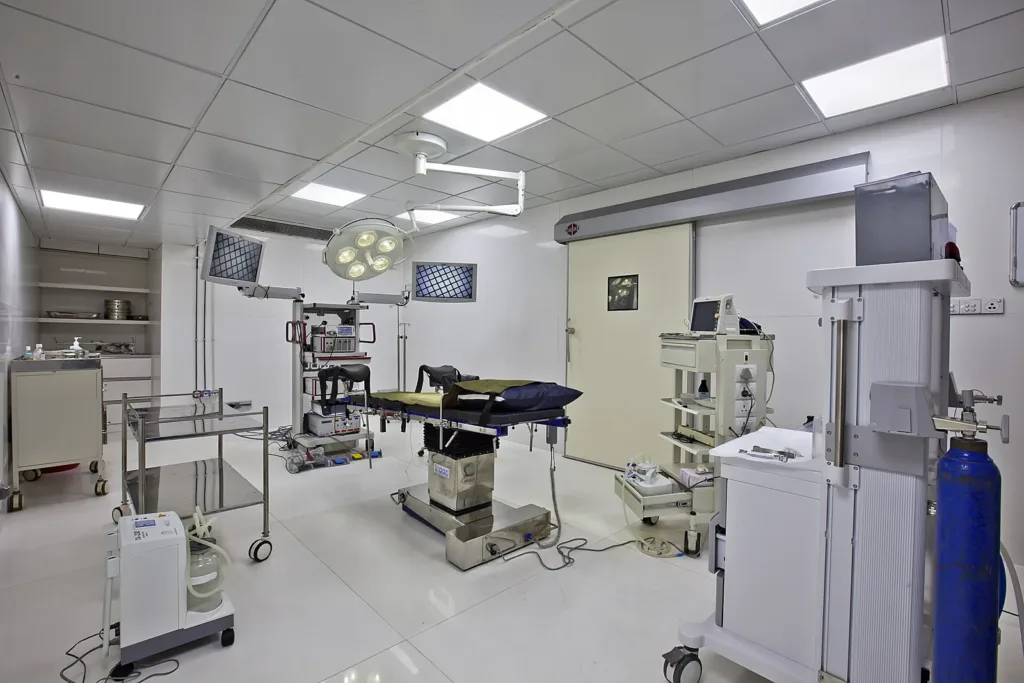
Representative image. Dr.jayesh amin, CC BY-SA 3.0, Wikimedia Commons

Why it matters
Reusing a device made for one patient can spread infections such as hepatitis and HIV or cause the device to fail during a procedure. Patients may also be paying for new devices they never got. The order gives patients and regulators a clear rule to point to.
Single-use devices, such as catheters, dialysers and surgical staplers made to be used once and thrown away, must not be cleaned and used again on another patient in any hospital in India, the Union Health Ministry has told states. The Directorate General of Health Services (DGHS), the ministry’s technical wing, sent the order in a letter dated 16 October 2026, which was reported on 22 and 23 October.
The DGHS said it had found such devices being sterilised and reused in some private and corporate hospitals, and that in some cases patients were still charged the full price of a new item. States, drug regulators and the Central Government Health Scheme (CGHS) have been asked to inspect hospitals and act against those that break the rule.
What the DGHS order on single-use devices says
The DGHS order bans the reuse of single-use devices and disposable surgical items in every public and private healthcare facility under the Centre, the states and the Union Territories, BusinessLine reported. Such devices, it noted, are designed and labelled for one patient in one procedure and then discarded.
The DGHS listed the departments where it had seen reuse: cardiology, nephrology (kidney care), oncology (cancer care), cardiothoracic and vascular surgery, and neurosurgery. It said hospitals should use these items only as their original manufacturer instructs.
According to ThePrint, the letter was signed by Loveneesh G Krishna, a director at the DGHS. It went to chief secretaries and health departments of states and Union Territories, directors of health services, the Drugs Controller General of India (DCGI, the national drug regulator), state drug controllers and the head of the CGHS, the health scheme for central government staff and pensioners.
The DGHS warned that reuse may break the Drugs and Cosmetics Act, 1940, the Medical Devices Rules, 2017, the Clinical Establishments Act, 2010, infection control protocols and biomedical waste rules. Authorities may inspect hospitals, monitor them and take action under these laws, the letter said.
Which devices hospitals reuse and why it is risky
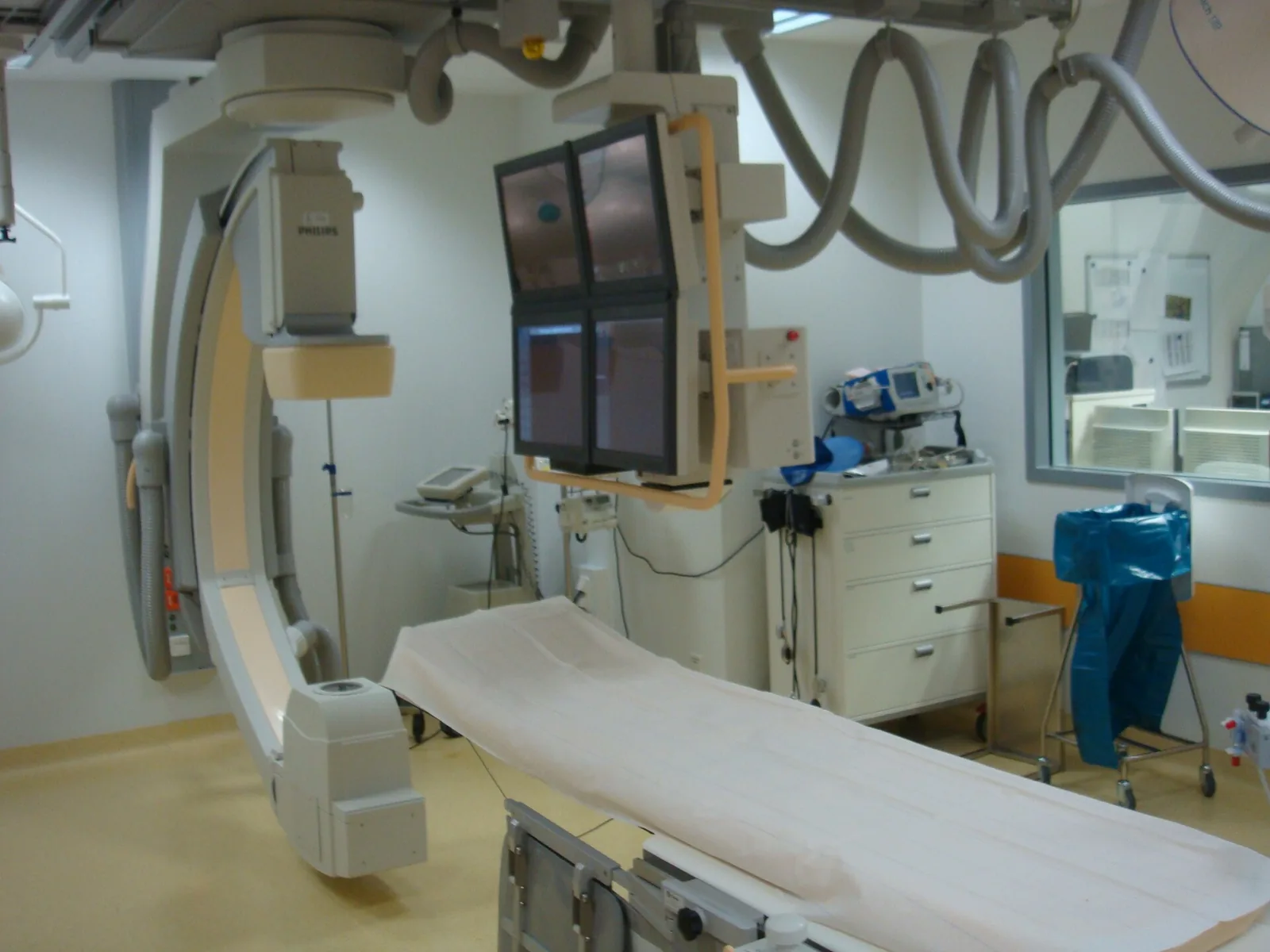
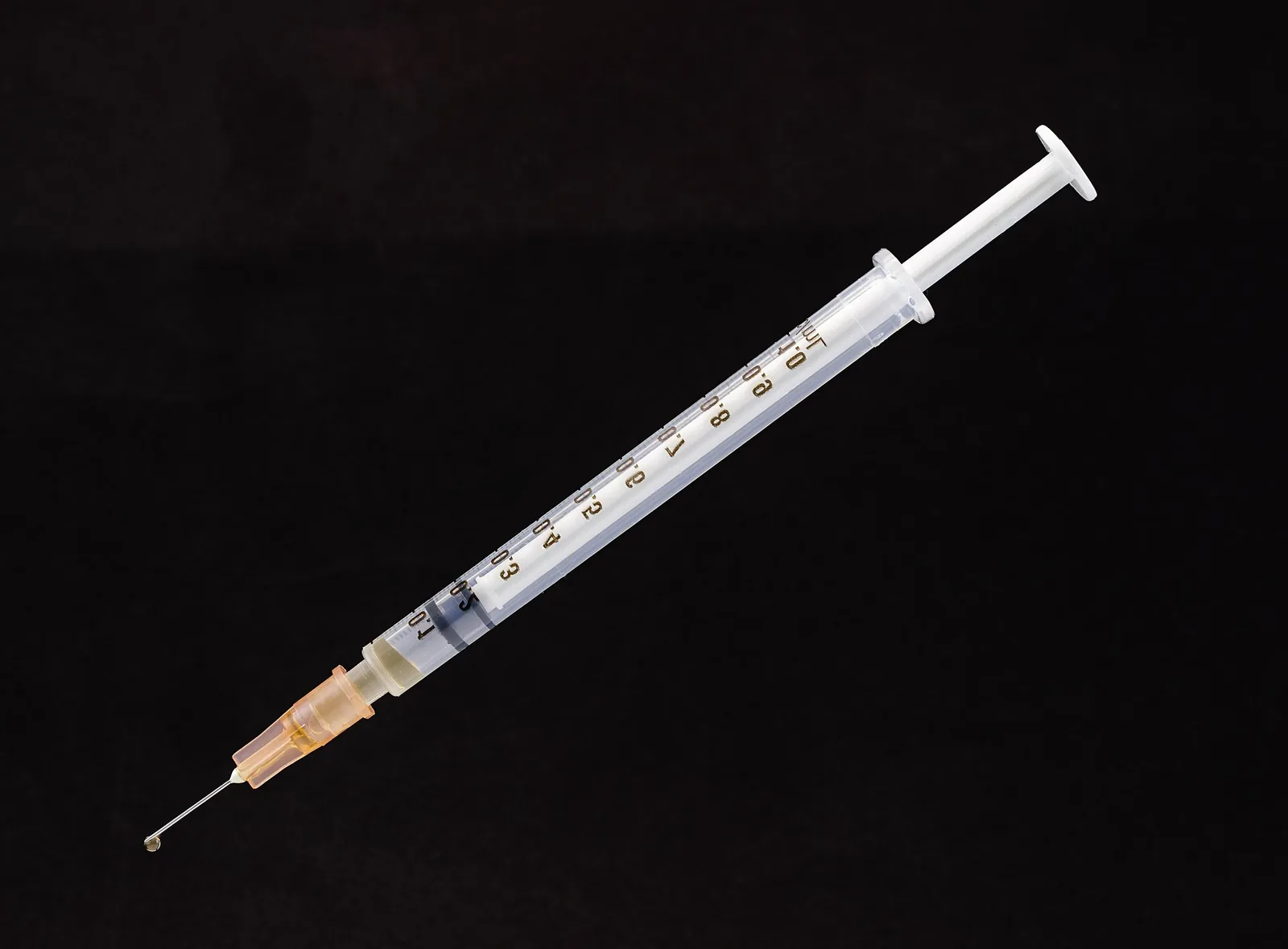
The single-use devices reported as reused cover some of the costliest parts of a hospital bill. ThePrint listed cardiac catheters, guidewires, balloon and ablation catheters and introducer sheaths used in heart procedures; dialysers and blood tubing used in kidney dialysis; and surgical staplers, laparoscopic trocars (ports used in keyhole surgery) and orthopaedic drill bits. The Association of Indian Medical Device Industry (AiMeD), which represents Indian makers, also named syringes and needles among the most reused items.
The DGHS said reuse can expose patients to cross-infection, device failure, loss of performance and other complications. A device built for one use may wear out or hold traces of blood and tissue if cleaning is not thorough, which can pass on infections such as hepatitis B and C, HIV (the virus that causes AIDS) and bacteria, ThePrint reported.
The problem has surfaced before. In 2017, the Maharashtra Food and Drug Administration reportedly found that eight private hospitals had reused 1,306 catheters on more than 1,000 patients. In 2018, at least 33 people in Bangarmau, Uttar Pradesh, tested positive for HIV after an unqualified practitioner injected some of them with an infected syringe, Reuters reported at the time.
How reuse of medical devices shows up in hospital bills
The billing point matters to families who pay hospital bills out of pocket. If a hospital reuses a costly catheter but puts a new one on the bill, the patient pays for a device that was never bought for them. The DGHS letter said the full cost was in some cases charged to patients or reimbursed by government schemes even when the item had been reused.
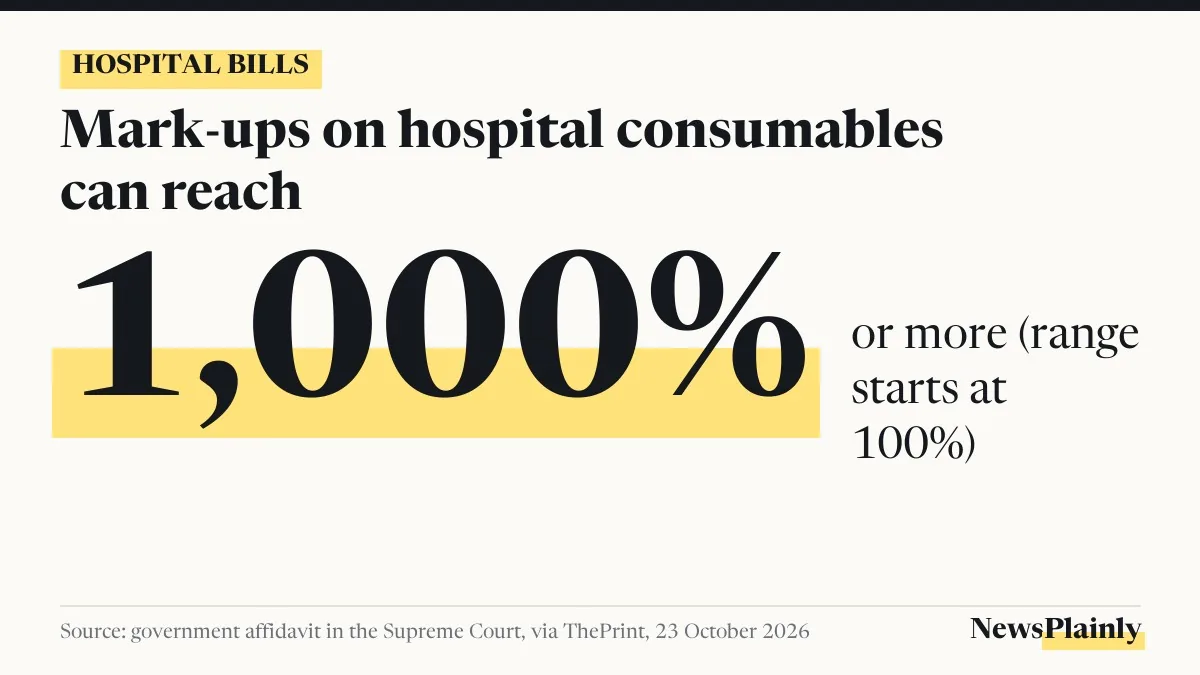
The government has earlier told the Supreme Court, in an affidavit, that mark-ups on hospital consumables can range from 100% to 1,000% or more, ThePrint noted. So a reused item can mean a patient is charged a marked-up price for something the hospital did not buy again.
The DGHS order is not the first of its kind. The Centre issued a similar directive in 2016, and the CGHS sent an office memorandum on the subject to its empanelled hospitals on 21 December 2016. The new letter asks for strict compliance and wide circulation among healthcare organisations, according to BusinessLine.
What device makers and patients can expect from the DGHS order
Medical device makers welcomed the DGHS order on the reuse of medical devices. The Medical Technology Association of India (MTaI), which represents device companies, said it would strengthen patient safety but that its effect would depend on consistent enforcement by states, regulators and hospitals, and on patients knowing their rights.
AiMeD’s forum coordinator Rajiv Nath called it a patient-first decision. He said reuse sometimes happens without patients’ informed consent, and asked that any liability framework make clear that harm from a reused device rests with whoever reused it, not with the manufacturer. AiMeD wants regular inspections, records that trace each device’s use and disposal, and infection control training for staff.
The reports did not carry a response from hospital associations. The letter does not set a deadline or name penalties beyond action under existing laws, so how strictly the ban on reuse of medical devices is applied will depend on each state. Readers can see our earlier report on another health regulator’s notice this week for how such orders are followed up.
Frequently asked questions
What are single-use medical devices?
Items made and labelled for one patient in one procedure, such as many catheters, dialysers, syringes and surgical staplers, which are meant to be thrown away after use.
Does the DGHS order apply to private hospitals?
Yes. It covers all public and private healthcare facilities under the Centre, states and Union Territories.
Who will enforce the DGHS order?
State health departments, state drug controllers, the DCGI and the CGHS have been asked to inspect hospitals and act under existing laws.