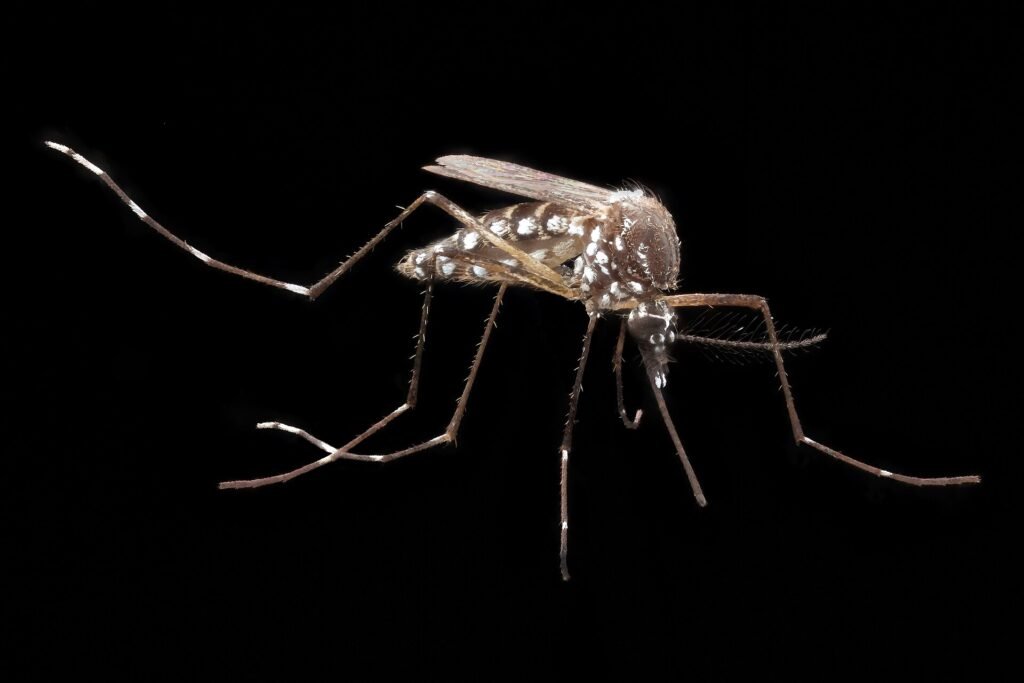
Representative image. Photo: Army Medicine, CC BY 2.0, via Wikimedia Commons

Why it matters
Dengue sickens large numbers of people across India every year after the rains, and until July there was no approved vaccine in the country. The Tamil Nadu pilot is the first real-world test of the shot in an Indian town, and its results will shape whether it is offered more widely. The vaccine is not yet part of the free national immunisation programme.
Tamil Nadu has become the first state in India to use a dengue vaccine outside a clinical trial, starting a pilot in Kadayanallur, a town in Tenkasi district with a long record of dengue cases. Health Minister K.G. Arunraj launched the field study on 17 October 2026, using Qdenga, a vaccine made by the Japanese drug maker Takeda that India’s drug regulator cleared in July.
The town will serve as a testing ground. Officials want to see how well the dengue vaccine works against the dengue strains circulating locally before deciding whether to offer it in other districts.
How the Kadayanallur dengue vaccine pilot works
Qdenga is given in two doses, with the second injection three months after the first. Speaking to reporters after the launch, the minister said the full course could give 80% to 90% protection against dengue fever, The Hindu reported. The New Indian Express quoted him putting the figure at 80%. Both outlets attributed the estimate to earlier research on the vaccine, not to any result from Tamil Nadu.
Two scientists from the Indian Council of Medical Research (ICMR) will study the effect of the vaccination in the town, according to The New Indian Express. Arunraj said no other state had begun using the vaccine so far and that the findings from Kadayanallur would guide the rest of the country.
A second study is running alongside the shots. The health department will check whether mosquito repellent creams applied to the skin and electric repellent vaporisers actually cut down bites in the town, The Hindu reported.
Why Kadayanallur was picked
The minister said the town was chosen because many residents had caught dengue in past seasons and the area had also recorded a high number of deaths from the disease. Until now, he said, the state had relied on destroying mosquito larvae and treating patients once they fell ill.
Timing matters too. On 20 October, Arunraj told reporters in Chennai that the research was meant to help prevent the dengue outbreaks that often follow heavy rain, ETV Bharat reported. Chennai had just had two days of heavy rainfall, and more was forecast. Dengue spreads through the bite of infected Aedes mosquitoes, which breed in standing water.
What India’s dengue vaccine approval covers
The Central Drugs Standard Control Organisation (CDSCO), India’s drug regulator, gave Qdenga marketing approval in July 2026, the health ministry said in a statement. It was the first dengue vaccine cleared for use in the country.
The approval is for people aged 4 to 60. Each dose is 0.5 ml, given under the skin. The vaccine is made by Takeda GmbH in Germany and imported by its Indian arm, Takeda Biopharmaceuticals India, according to the ministry. It covers all four types of the dengue virus.
The ministry said the decision drew on clinical studies in more than eight countries, including Brazil, Thailand and Sri Lanka, plus a late-stage safety study in Indian participants. According to the statement, the vaccine has approval in 42 countries, has World Health Organization prequalification, and more than 24 million doses have been given out worldwide. The ministry described it as an addition to existing mosquito control, testing and treatment under the National Vector Borne Disease Control Programme, not a replacement.
The minister’s own count was slightly different. He said the vaccine was approved in more than 40 countries, including Indonesia and Thailand, and that Brazil had added it to its public immunisation schedule.
When could the dengue vaccine reach other districts?
No date has been set. Arunraj said any extension of the drive to other parts of Tamil Nadu would be announced only after a team of officials submits its inspection report, The New Indian Express reported. The timeline of the two-dose schedule also sets a floor. A resident who takes the first shot in late October would not complete the course until about late January 2027, and any measure of protection would come after that.
The vaccine is also not part of India’s free national immunisation programme. Nothing in the official statements so far says when, or whether, the Centre plans to add it.
An Indian-made dengue shot is also in testing
Qdenga is not the only dengue vaccine candidate. ICMR and Panacea Biotec began a Phase 3 trial of a home-grown dengue vaccine called DengiAll in August 2024, with 10,335 adults enrolled at 19 sites, according to an earlier government release. Results from that trial have not yet been announced.
For now, the Kadayanallur pilot is the first look at how a dengue vaccine performs in an Indian town during an actual transmission season. Health officials have said mosquito control and early treatment remain the main tools in the meantime.
Frequently asked questions
Where is the dengue vaccine being given in Tamil Nadu?
In Kadayanallur town in Tenkasi district, as a pilot study launched on 17 October 2026.
How many doses does Qdenga need?
Two doses of 0.5 ml each, with the second given three months after the first, according to the health ministry.
Who is the dengue vaccine approved for in India?
CDSCO approved Qdenga in July 2026 for people aged 4 to 60.
Will the dengue vaccine be offered in other districts?
The state health minister said any extension will be announced after officials submit an inspection report on the pilot. No date has been given.