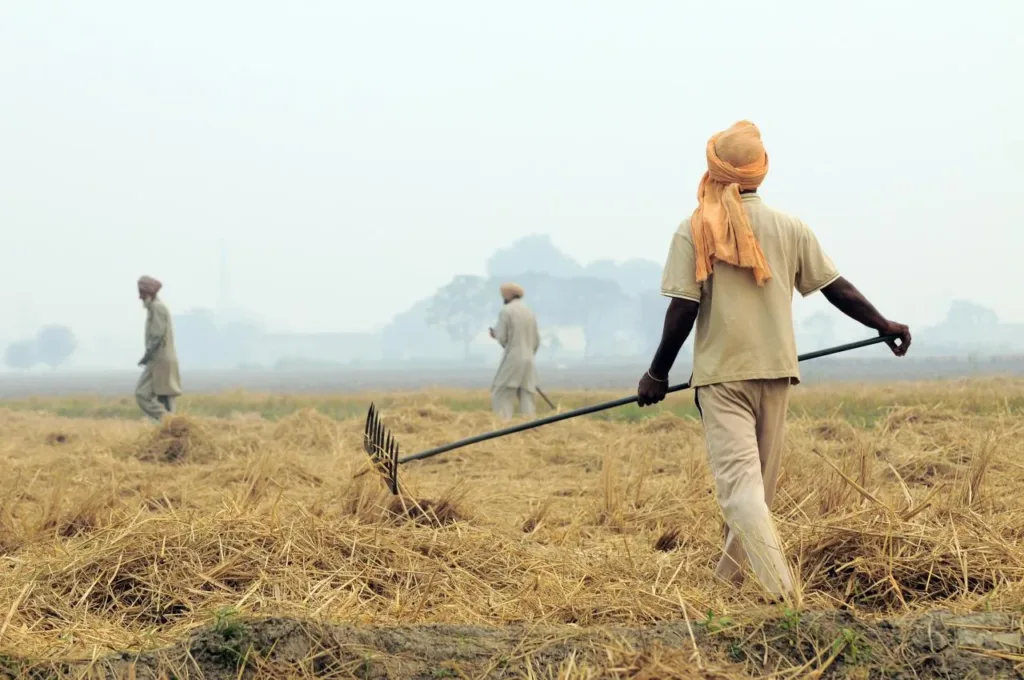
Representative image. CIAT, CC BY-SA 2.0, Wikimedia Commons

Why it matters
The commission covers Delhi-NCR and nearby areas, so its checks on how straw is cleared and reused are part of the air-quality work for that region, the release says. For readers there, the release shows where straw is being taken off the field, into boilers and pellet plants, rather than burned in the field. It does not show whether the burning has fallen this season.
A team from the Commission for Air Quality Management (CAQM) reviewed how three Punjab districts are handling paddy straw during the harvest. The team met district officials at Sangrur on 31 October 2026. The environment ministry’s release, issued on PIB late that night, also describes visits to villages, a paper unit in Malerkotla and a pellet plant.
Why a Punjab straw review matters for Delhi-NCR
The CAQM is the body responsible for air quality in the National Capital Region (NCR) and nearby areas, the release says. Its team checked what Punjab districts are doing to stop straw from being burned in fields. The team’s job was to review how districts prepare for straw management and to prevent burning incidents, the release says.
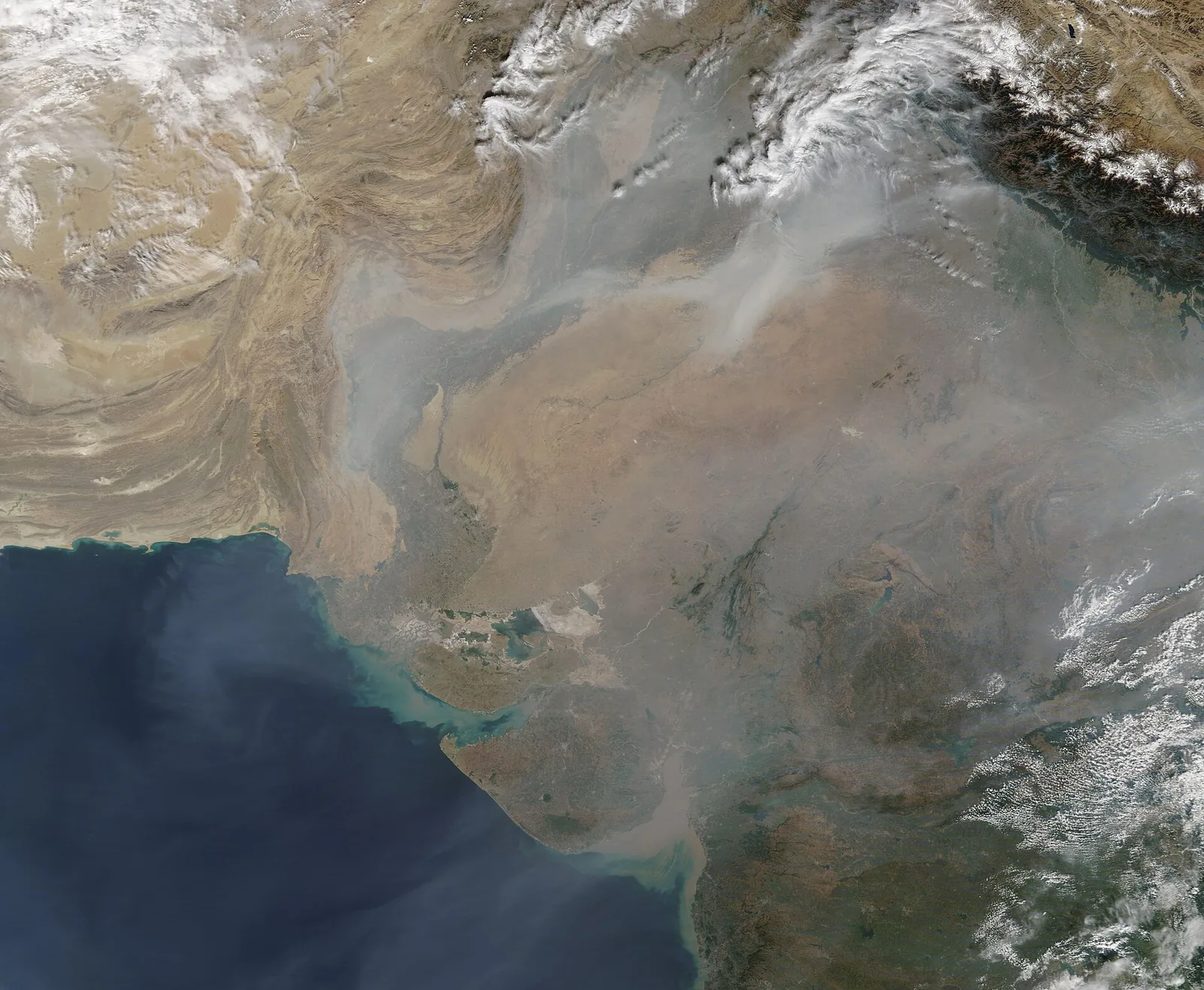
The release does not give the number of burning incidents this season, so it does not show whether the problem is getting better or worse. The image below is a NASA satellite view of haze across northern India and Pakistan from 15 November 2020, a file image from an earlier season.
Who the team met, and where it went
The team included technical member Dr S.D. Atri and scientist C Vijay Kumar. The meeting in Sangrur was attended by deputy commissioners and senior police officers from Sangrur, Patiala and Malerkotla, along with officials of the Punjab Pollution Control Board, the agriculture department and a flying squad of the Central Pollution Control Board (CPCB).
In Sangrur, the team visited three villages in Bhawanigarh tehsil: Bassiarq, Kapiyal and Jhaneri. It also went to Gharachon, which the release calls a hotspot village, where officials showed both in-situ management, which means dealing with straw in the field, and ex-situ management, which means taking it off the field.
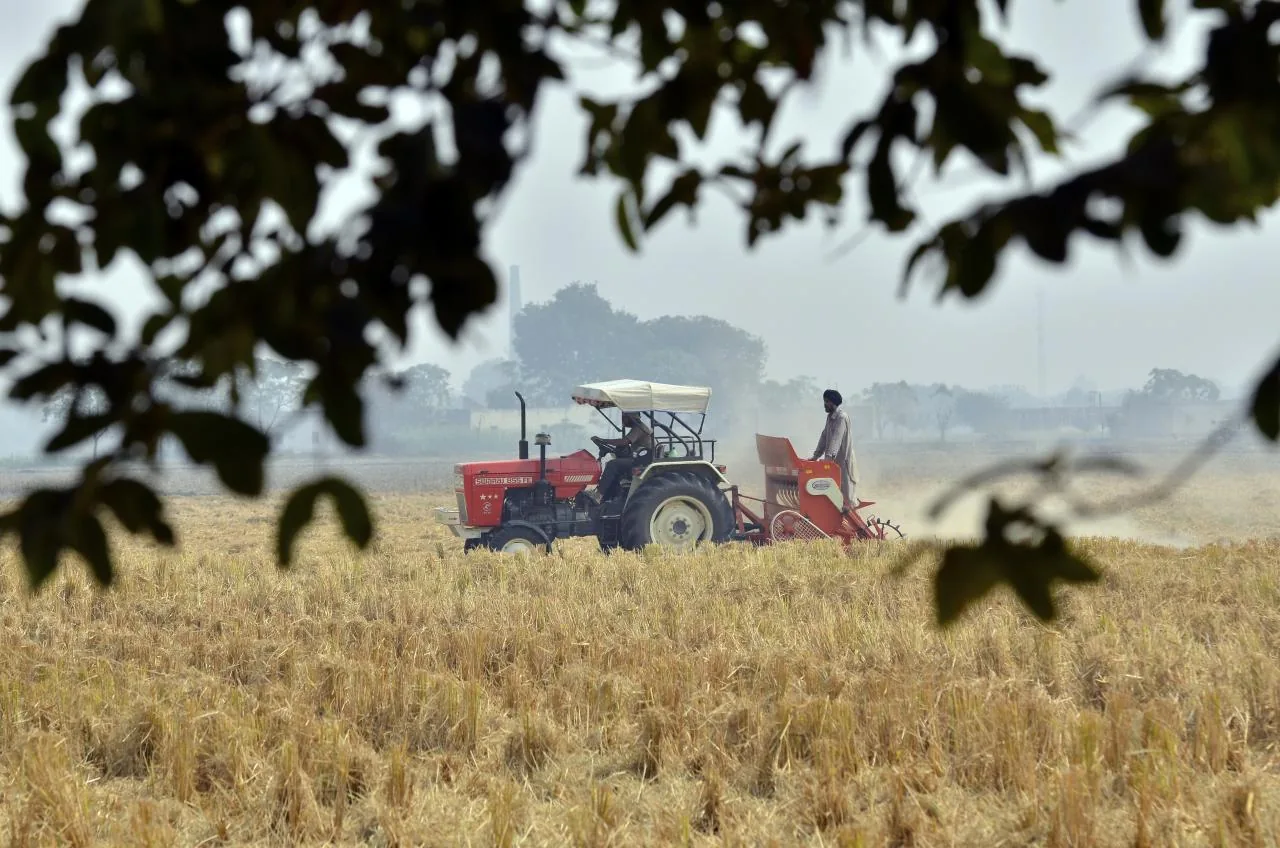
In Malerkotla, the team saw machinery working in fields at Ahmadbad village. The agriculture department showed how a Super Seeder works, a machine that sows a crop through loose paddy straw without burning it. The team also met farmers who said they would not burn paddy straw and would use in-situ machinery instead.
Paddy straw off the field: a paper unit and a pellet plant
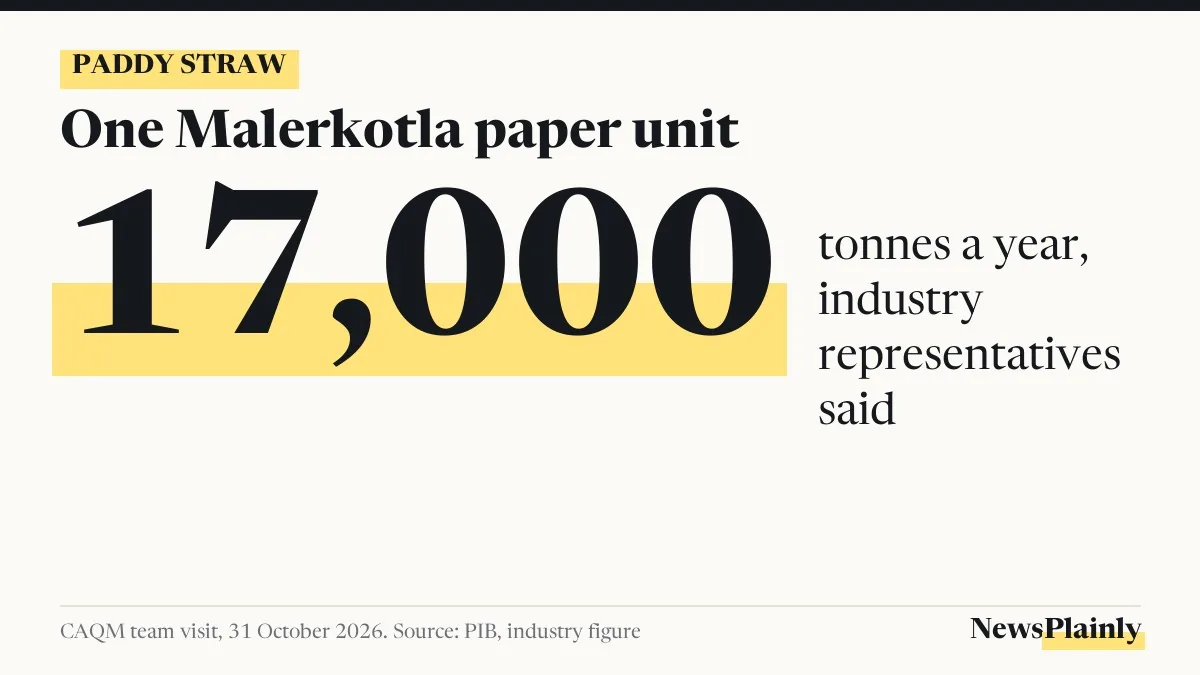
On Dhuri Road in Malerkotla, the team visited a unit that makes duplex board and paper. Its boiler is rated at 20 tonnes of steam an hour, and it burns paddy straw as fuel. Industry representatives told the team the boiler would use about 17,000 metric tonnes of paddy straw a year.
At Nadampur village in Bhawanigarh, the team saw a unit that makes pellets from paddy straw. The release says the pellets are later burned as fuel in thermal power plants. Both units are examples of the ex-situ route, where straw leaves the field and gets a use elsewhere.
What farmers and officials were told
The release says farmers in Gharachon told the team about problems using the crop residue management (CRM) machinery that officials had arranged for them. It does not describe the problems in detail.
The team told the officials to keep a close watch on burning and to keep up their efforts. It advised them to deliver paddy straw management in the way they had promised in their own action plans, and said ground action should match the targets those plans set.
What the release leaves out
For a reader, the practical question is where paddy straw goes once it is not burned. The release names three routes: machines that handle straw in the field, boiler fuel at a paper unit, and pellets for thermal power plants.
The release does not say what action officials will take against farmers who burn straw in this season, and it does not give a date for the team’s next visit. It also gives no figures on how much straw each district handles in the field, through machines, or through units like the ones visited.
An earlier NewsPlainly report on 25 October counted a rise in fires in Punjab and a warning for Tarn Taran. Read that report for the fire counts reported at the time.
Frequently asked questions
What is the Commission for Air Quality Management?
The body responsible for air quality in the National Capital Region and nearby areas, according to the environment ministry's release on this visit.
What does in-situ straw management mean?
Dealing with paddy straw in the field itself, with machines such as the Super Seeder, instead of burning it. The release contrasts this with ex-situ management, where straw is taken off the field.
Where does the straw go after it leaves the field?
The release mentions a paper unit's boiler in Malerkotla and a pellet plant in Bhawanigarh. The pellets are later burned as fuel in thermal power plants.