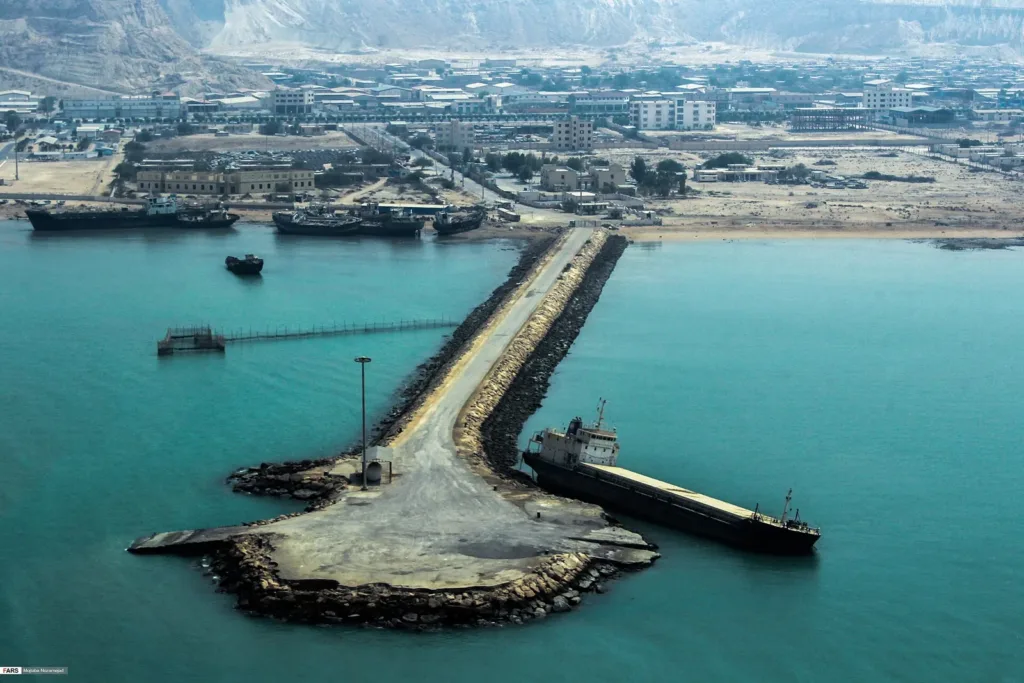
Representative image. Mojtaba Nozarnejad, CC BY 4.0, Wikimedia Commons

Why it matters
Qeshm sits on the Strait of Hormuz, the sea lane between the Gulf and the open ocean that carries a large share of the world's oil and gas. Ship traffic through it is already about 65 per cent below pre-war levels, the UK's maritime agency says, and fighting there can quickly affect shipping and fuel markets far beyond Iran and the US.
Two missiles hit the Suza area of Qeshm Island, off Iran’s southern coast in the Strait of Hormuz, on Friday night, 6 November 2026, Iranian state media reported; in India, news of the blasts began coming through in the early hours of Saturday. Shortly after the Qeshm Island strikes were reported, US President Donald Trump told reporters that the US carries out “minor strikes” and had knocked out a newly built Iranian anti-aircraft device.
Iran answered with claims of its own on Saturday: its army said it shot down a US drone over the island, and a Revolutionary Guards spokesman said Iran had downed 260 aircraft over the course of the US Iran war. The reports read did not carry any independent check of these claims.
What Trump said about the Qeshm Island strikes
Trump spoke on Friday evening after landing in West Palm Beach, Florida. “They built a little bit of an anti-aircraft device, and we knocked it out in about 15 minutes, maybe five,” he said, in words reported the same way by Al Jazeera, CNBC and India Today.
Al Jazeera and India Today reported the remark as Trump confirming the strikes on Qeshm. CNBC’s account of the same exchange adds a caution: asked about Qeshm itself, Trump said “I don’t want to talk about it,” and he did not say outright that his “minor strikes” comment referred to the island.
US Central Command (Centcom), the American military command for the Middle East, described the situation around Qeshm as “relatively calm”. A Centcom official told Al Jazeera the command was aware of the reports and had no further comment. Tasnim, the Iranian news agency that reported the missiles, said there was no official information yet on damage from the Qeshm Island strikes, according to Reuters as cited by CNBC.
In the same remarks Trump said talks with Tehran were going on. “We’re dealing with them now. They want to make a deal,” he said, adding that the US had made “a lot of progress with Iran”, without giving details.
Iran’s claims: a drone, 260 aircraft and a lifted missile limit
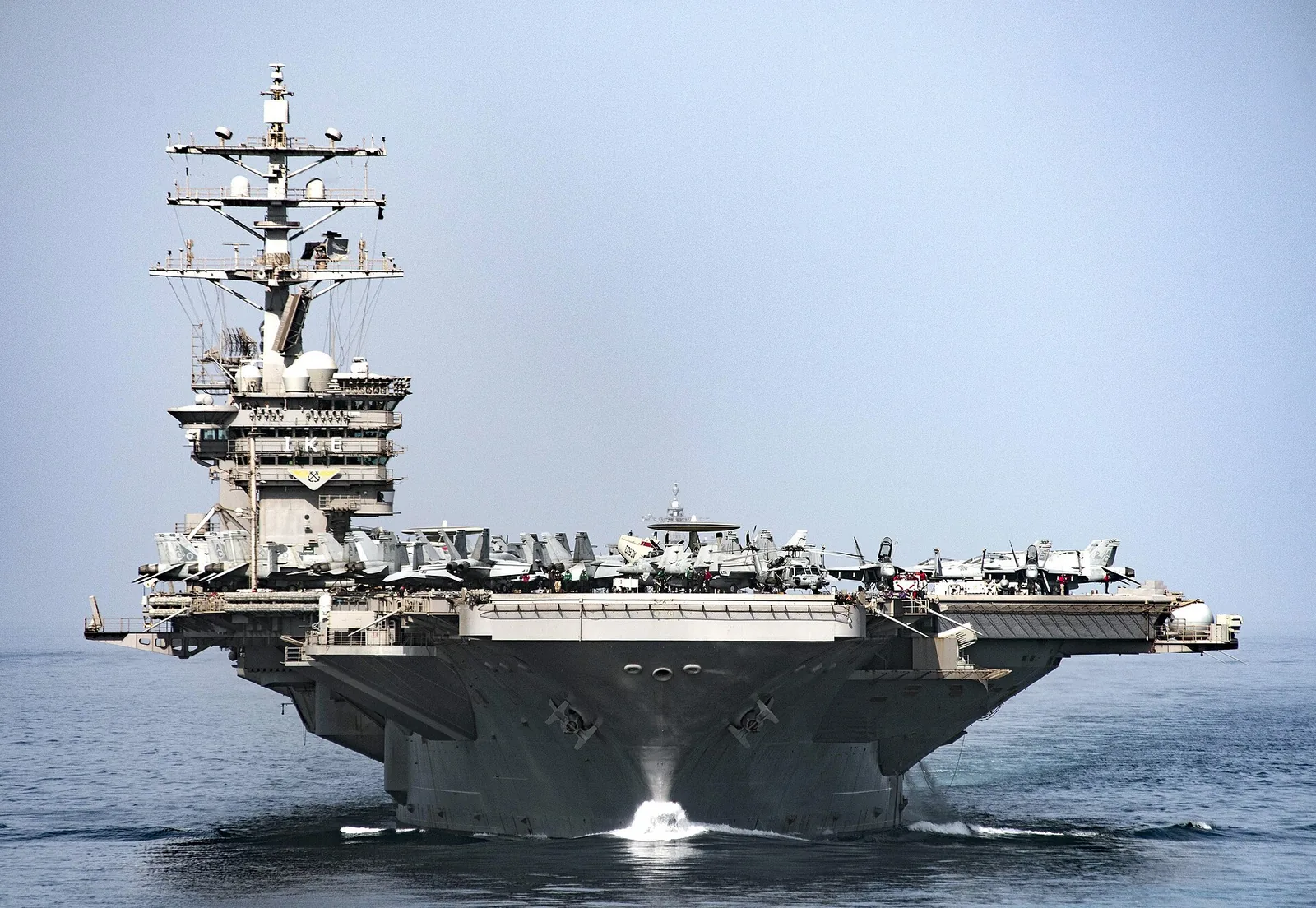
Iran’s army said in the early hours of Saturday that its air defence forces destroyed a US-made MQ-9 Reaper, a large armed military drone, over Qeshm using a new system it did not name, Al Jazeera reported, citing Islamic Republic of Iran Broadcasting (IRIB), the state broadcaster. The Islamic Revolutionary Guard Corps (IRGC), Iran’s elite military force, separately said on Friday that it had intercepted an MQ-1 drone.
On Saturday, IRGC spokesman Brigadier General Hossein Mohebbi went further. He claimed Iran had downed 260 hostile aircraft during the conflict with the US, including F-35 and F-16 fighter jets and several types of drones, the Times of India reported, citing Iran’s Mehr news agency.
Mohebbi told reporters that the IRGC’s old practice of keeping ballistic missile range to about 2,000 km “has been lifted”, according to Al Jazeera. He also said the world would see the IRGC’s new capabilities “if another war breaks out” and that missile and drone production had been moved underground, the Times of India reported.
Iran’s navy said on Saturday that a tanker sailing with its transponder off had hit a mine and caught fire in the eastern Strait of Hormuz. Washington says the mines have been cleared, Al Jazeera reported.
Why Iran is handing out iodine tablets
Iranian health officials have begun giving out iodine tablets to people living near nuclear facilities. In Bushehr, the Gulf city that hosts Iran’s only operating nuclear power plant, 180,000 tablets have been distributed, first around the plant and then across the city, an official of Bushehr University of Medical Sciences told the Young Journalists Club news agency, as reported by the Economic Times.
“Yes, we are distributing iodine,” an Iranian health ministry official told Al Jazeera, according to the Times of India, adding that Trump “can no longer be trusted”. The official said the tablets are routinely given to people within 2 to 3 km of nuclear sites when military tension rises.
Potassium iodide, the World Health Organization (WHO) explains, fills the thyroid gland with ordinary iodine so it does not absorb radioactive iodine after a nuclear accident. It protects only the thyroid and is not a cure for radiation exposure. Giving out iodine tablets does not by itself mean a radiation emergency is coming.
Where Qeshm is and why the Strait of Hormuz matters
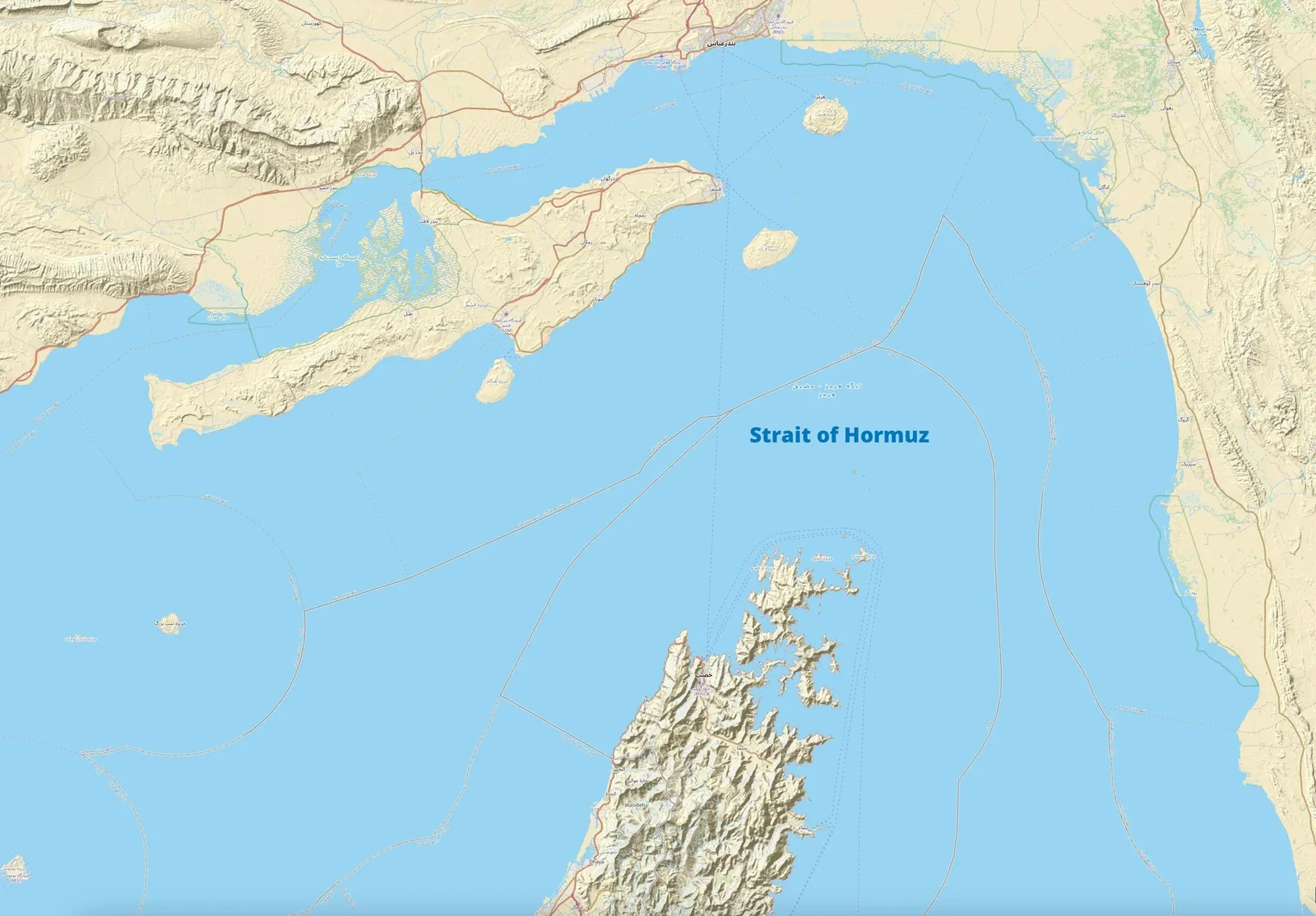
Qeshm lies just off the Iranian mainland near the port city of Bandar Abbas, in the narrow strait that connects the Gulf with the Gulf of Oman. A large share of the world’s oil and gas shipments uses this waterway, India Today noted, which is why any fighting here quickly reaches shipping and energy markets.
The numbers from the past week show how far traffic through the Strait of Hormuz has fallen. The UK Maritime Trade Operations agency (UKMTO) counted 170 outbound and 155 inbound transits through the strait in the week to 6 November, about 65 per cent below pre-conflict levels, Al Jazeera reported. UKMTO said at least 11 ships were attacked in and around the strait that week and three of them sank, while warning that most attacks go unreported.
The danger to shipping in the region has already reached Indian crews. On 3 November, after a vessel with 14 Indian crew was hit off Oman and one seafarer died, the Ministry of External Affairs called the continuing attacks on commercial shipping “deeply concerning” and said free navigation must be restored, as NewsPlainly reported. That statement came before the latest Qeshm strikes; the reports read for this article did not carry any new Indian government comment.
How the US Iran war escalated in recent days
NewsPlainly has put together the main steps from the reports read:
- 28 February 2026: The US and Israel launch a military offensive against Iran, the Economic Times reported. Hostilities resumed in early July after a pause, Al Jazeera reported.
- 1 November: Trump says the US could hit Iran’s remaining suspected nuclear sites within 10 minutes, naming the Pickaxe Mountain site.
- 2 November (Monday): Explosions are reported on Qeshm and nearby Hengam island and around Bandar Abbas. US officials call them defensive strikes.
- 3 November (Tuesday): Trump’s Republican Party suffers heavy losses in the US midterm elections, which Trump has blamed on the war.
- 5 November (Thursday): An Iranian official says Tehran has sent a new proposal through Qatar, with seven conditions before talks. Trump says in the Oval Office he would rather not “destroy the rest of the country” but may have to.
- 6 November (Friday): Centcom shares a State Department reward of up to $20 million for information on Iran’s nuclear programme. Two missiles hit Qeshm that night.
- 7 November (Saturday): Iran claims it shot down an MQ-9 drone, the IRGC claims 260 aircraft downed, and iodine distribution near nuclear sites is reported.
Talks continue alongside the strikes
Qatar, which has been carrying messages between the two sides, rejected reports on Saturday that the US-Iran negotiations had failed. “Promoting such false claims serves only those seeking to prolong the war and destabilise the region,” foreign ministry spokesperson Majed al-Ansari said on X.
Iran’s foreign minister Abbas Araghchi said on Saturday he had spoken to 12 foreign ministers in 48 hours, including those of Oman, Qatar, Saudi Arabia and Pakistan, Al Jazeera reported. Iran wants an end to the US blockade of its ports, sanctions relief, the release of frozen assets and compensation for war damage, India Today reported.
Trump said on Thursday the US would soon “make a decision” on whether to resume full-scale fighting in the US Iran war, and no date has been given in the reports read. The Qeshm Island strikes were the first since the midterm vote, Al Jazeera and CNBC noted.
Frequently asked questions
Where is Qeshm Island?
Qeshm is an Iranian island off the country's southern coast in the Strait of Hormuz, near the port city of Bandar Abbas. The strait links the Gulf with the Gulf of Oman.
Did Trump confirm the strikes on Qeshm?
He said the US carries out "minor strikes" and had knocked out an Iranian anti-aircraft device. Al Jazeera and India Today reported this as confirmation, but CNBC said Trump declined to discuss Qeshm by name and did not say his remark referred to it.
Why is Iran giving out iodine tablets?
Potassium iodide protects the thyroid gland if radioactive iodine is released. An Iranian health official said the tablets are routinely given to people within 2 to 3 km of nuclear sites when tensions rise. The distribution does not by itself mean an emergency is under way.