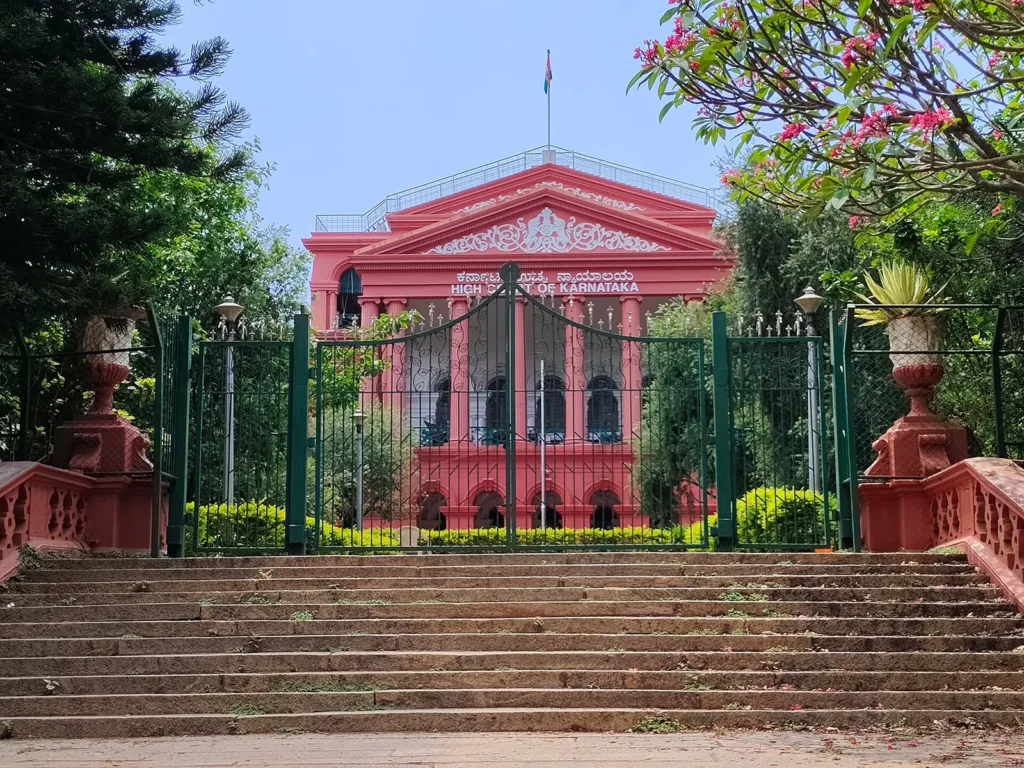
Representative image. Shantanucsd, CC BY-SA 4.0, Wikimedia Commons

Why it matters
The ruling sets out when an ED money laundering case can stand at all: only on top of a live criminal case run by the police or another primary agency. It also says the ED cannot create that base itself through a private complaint after other agencies have chosen not to act. The court tied this to the state's responsibility for law and order, as Bar and Bench reported.
The ED super cop remark comes from a Karnataka High Court ruling that quashed an Enforcement Directorate (ED) money laundering case against Congress MLA K.Y. Nanjegowda and four others. Justice M.I. Arun held that the ED is “not a super cop to investigate anything and everything which comes into its notice”, The Hindu, Bar and Bench and Asian News International (ANI) reported on 7 November 2026. None of the reports gave the date on which the order was signed.
The judge said the agency’s power under the Prevention of Money Laundering Act (PMLA), the 2002 law against laundering the proceeds of crime, is “derivative and not original”. In plain words, the ED can only follow a crime that another agency is already pursuing.
What the Karnataka High Court quashed
Nanjegowda is the Congress MLA from Malur and chairman of the Kolar and Chikkaballapur Milk Union Ltd (KOMUL), a district milk cooperative. The other petitioners, The Hindu reported, were Y.B. Ashwathanarayana, then a KOMUL director, K.N. Gopala Murthy, Nagesh N. and Raju Krishna C.
According to ANI’s report carried by the Times of India, the court quashed the Enforcement Case Information Report (ECIR) dated 30 November 2023, the summons issued under it and all proceedings that followed against the petitioners. It also set aside a 6 June 2024 order of the PMLA Adjudicating Authority, the body that confirms the ED’s seizures, as far as it concerned one petitioner, and directed that the articles seized from him be returned. Proceedings on a private complaint the ED had filed before a special court were quashed for these petitioners as well.

ECIR and predicate offence, explained plainly
An ECIR is the ED’s own case record, opened when it starts a money laundering inquiry. Unlike a police FIR, it is an internal document of the agency. The petitioners had challenged it along with the summons and the seizure order.
Money laundering under the PMLA is not a standalone crime. It means dealing with money or property that came from another crime listed in the law’s schedule, such as cheating or corruption. That underlying crime is called the scheduled offence or predicate offence, and it is investigated by the police or another agency, not by the ED.
The Karnataka High Court held that the ED’s role begins only after a primary law enforcement agency registers an FIR or a formal criminal complaint about a scheduled offence, ANI reported. The agency, the court said, “cannot initiate an investigation suo motu based on a standalone suspicion of money laundering”, Bar and Bench reported. Suo motu means on its own, without anyone else starting the case.
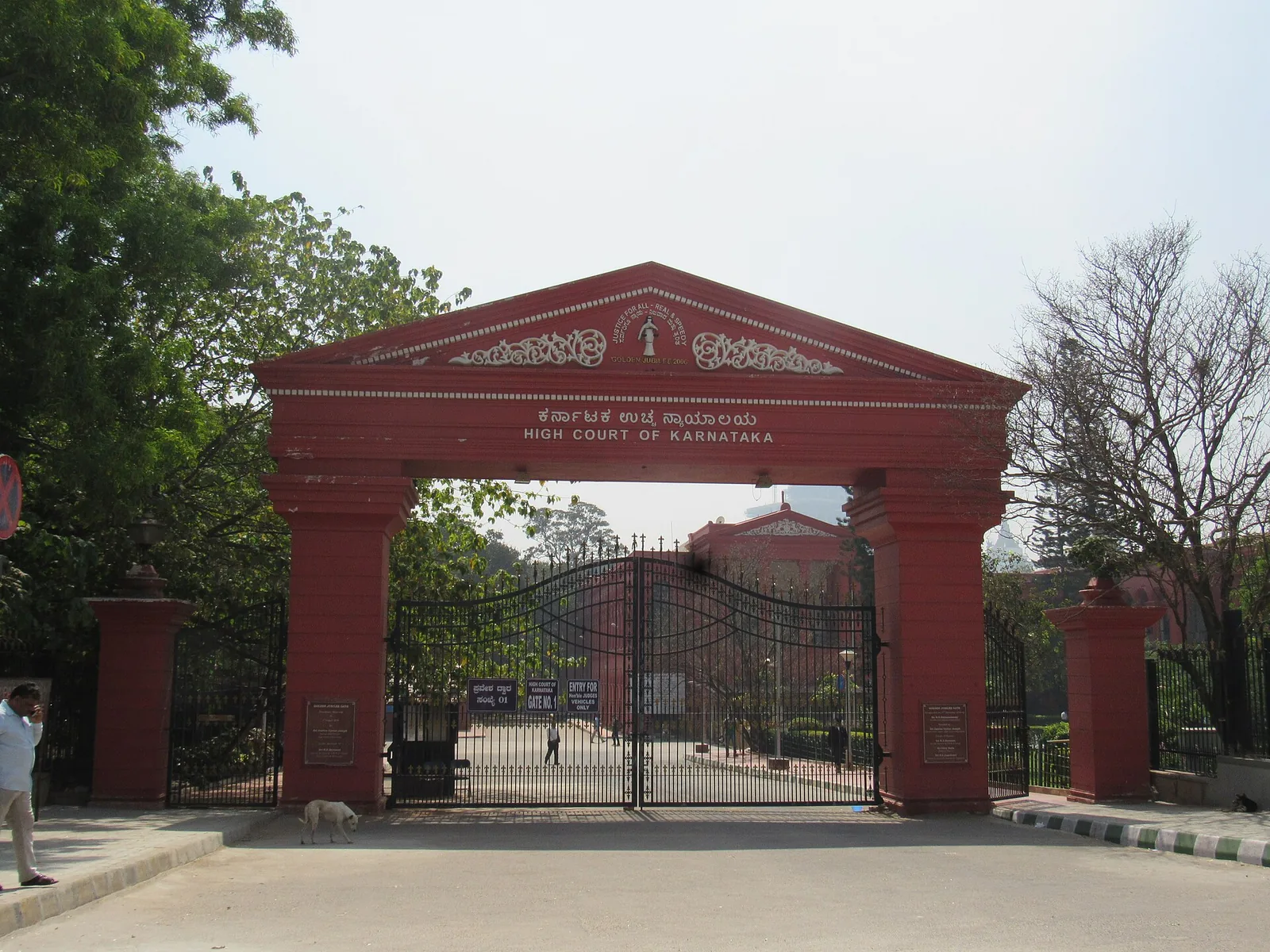
How a land case and the KOMUL recruitment case reached the ED
The ED’s money laundering case grew out of a private complaint filed before a trial court in Kolar. It alleged irregularities in the grant of about 80 acres of land to 38 people by the Malur Land Grant Committee, which Nanjegowda chaired, The Hindu reported. The ED treated that land case as its predicate offence and registered the ECIR in November 2023.
During searches under the ECIR, the ED said it found material pointing to irregularities in recruitment at KOMUL, which it called a separate “job scam”. It shared that information with the Karnataka Lokayukta police, the state’s anti-corruption police, under Section 66(2) of the PMLA, according to The Hindu.
The land case then ended. The jurisdictional police filed a closure report, and the trial court dismissed the case because sanction to prosecute a public servant had not been obtained, The Hindu and Bar and Bench reported. When the Lokayukta police did not act on the recruitment information, the ED filed its own private complaint on the KOMUL matter before a special court in Bengaluru.
The case in dates
- 30 November 2023: ECIR registered by the ED, with the Kolar land case as the predicate offence (ANI, The Hindu).
- 6 June 2024: PMLA Adjudicating Authority order confirming the seizure, later quashed for one petitioner (ANI).
- Date not given: police closure report in the land case and trial court dismissal for want of sanction (The Hindu).
- 6 November 2026: the Kannada daily Prajavani reported the order, according to Urban Acres.
- 7 November 2026: the court’s reasoning reported by ANI, Bar and Bench and The Hindu.
Why the ED super cop ruling bars a private complaint
The central question was whether the ED, after the police and the Lokayukta chose not to act, could start a criminal case itself and then use it as a fresh base for a money laundering probe. The court said no.
Section 66(2) of the PMLA, the judge held, puts a duty on the ED to pass information about another crime to the agency concerned. It does not let the ED take up that investigation itself. “In law, where an act is to be done in a particular way, it must be done in that way and in no other way,” the court said, as quoted by The Hindu.
The Karnataka High Court also pointed to the limits of central power. Maintaining law and order is the responsibility of the state and not the Centre, and the ED cannot file a complaint like any other person under Section 200 of the old Code of Criminal Procedure or Section 223 of the new Bharatiya Nagarik Suraksha Sanhita (BNSS), Bar and Bench quoted the order as saying. If the ED could do that, the court said, it would be able to file a private complaint against any person and then investigate them.
| Question | What the ruling says, as reported |
|---|---|
| When can the ED start a money laundering case? | Only after the police or another primary agency registers an FIR or formal complaint for a scheduled offence |
| Can suspicion of laundering alone start a probe? | No. The ED cannot act suo motu on a standalone suspicion |
| What if the predicate offence case is closed or ends in the accused’s favour? | PMLA proceedings cannot continue |
| What if the ED finds a different crime during its probe? | Under Section 66(2) it must share the information with the agency concerned |
| Can the ED file its own private complaint to create a predicate offence? | No. The PMLA does not give it that power |
What the MLA and the ED argued
Lawyers for the petitioners argued that once the predicate offence collapses, even on technical grounds, the ED cannot continue PMLA proceedings, The Hindu reported. When the ED uncovers a different scheduled offence, they said, its only lawful course is to share the information with the competent agency, not to file a separate private complaint and probe it. Senior advocate Kiran S. Javali appeared for Nanjegowda and three others, Bar and Bench reported.
The ED, represented by Additional Solicitor General S.V. Raju, contended that it could keep its money laundering case going even if the underlying offence had been closed on technical grounds, ANI reported. It also argued that it was entitled to file a private complaint under criminal procedure law.
The Karnataka High Court rejected the ED’s arguments. Allowing the agency to start a prosecution in this way, he said, would place it above other investigating agencies, a position the law does not envisage, ANI reported.
What the order does not settle
The reports read for this article did not give the date of the judgment or say whether the ED plans to challenge it. They also did not say whether the Karnataka Lokayukta police have taken any further step on the KOMUL recruitment information.
More court stories from across the country are on our India page.
Frequently asked questions
What did the Karnataka High Court say about the ED?
Justice M.I. Arun said the ED is "not a super cop to investigate anything and everything which comes into its notice" and that its PMLA power is derivative, so it depends on a crime another agency is pursuing, according to The Hindu and Bar and Bench.
What is an ECIR?
An Enforcement Case Information Report is the ED's internal case record, opened when it begins a money laundering inquiry. The court quashed the ECIR dated 30 November 2023 in this case, ANI reported.
What is a predicate or scheduled offence under PMLA?
It is the underlying crime, listed in the law's schedule, that produced the money said to be laundered. The court held the ED's role begins only after the police or another agency registers an FIR or complaint for it.
Why was the case against Congress MLA Nanjegowda quashed?
The land case the ED relied on was closed by the police and dismissed for want of sanction. The court held PMLA proceedings cannot continue once that case ends, and that the ED could not file its own complaint on the KOMUL recruitment matter.