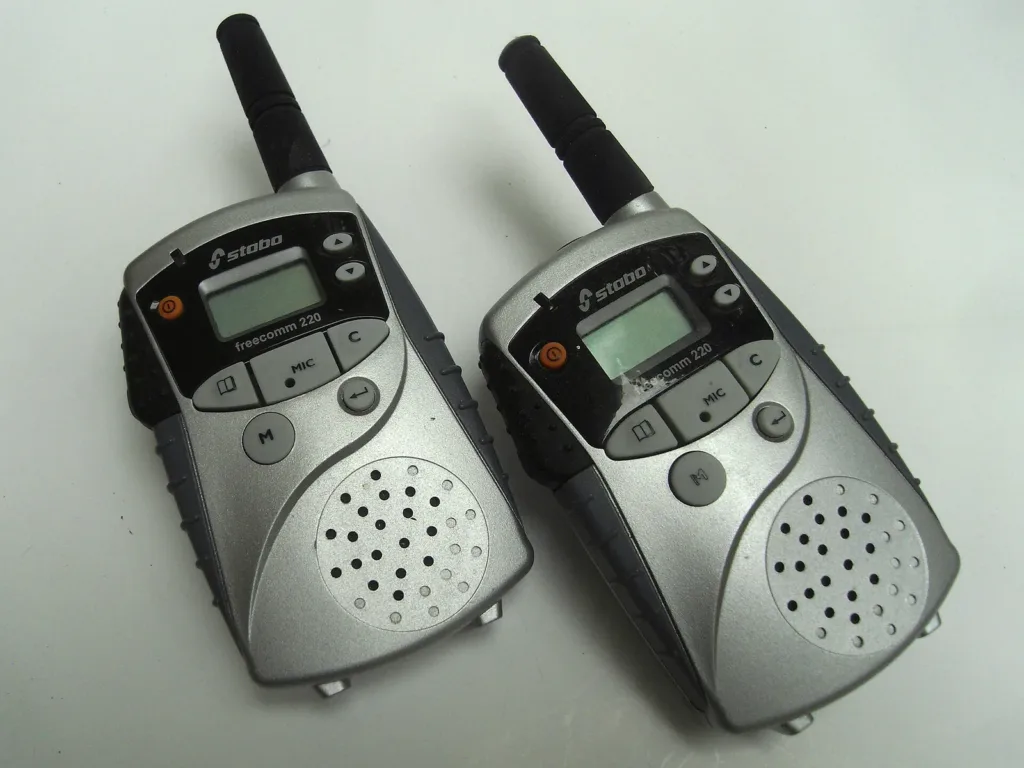
Representative image. Erkaha, CC BY-SA 4.0, Wikimedia Commons

Why it matters
More than 16,970 walkie-talkie listings online lacked frequency and licence details, the CCPA found, and only radios in the 446.0 to 446.2 MHz band can be used without a licence. The orders mean a listing must say which frequency a radio uses and whether a licence is needed, so a buyer can tell before paying whether it can be used legally.
The Central Consumer Protection Authority (CCPA), India’s consumer watchdog, has fined a seller ₹1 lakh over walkie-talkie listings that advertised radios without saying which frequencies they use or whether buyers need a licence. With this order against Hogar Technologies and Innovations LLP, the CCPA has now passed final orders against 12 companies over walkie-talkie listings, the consumer affairs ministry said in a release on 25 October 2026.
Among the 12, Amazon Seller Services, Flipkart Internet, Meesho, Meta Platforms (for Facebook Marketplace) and TradeIndia were each fined ₹10 lakh. Four of them have taken the orders to a court or the national consumer commission.
Why the CCPA fined a walkie-talkie seller with a licence
The latest order looked at walkie-talkie models shown on Hogar’s own website. According to the release, the listings did not clearly state the operating frequency, the licence a user might need or the approvals the devices carried. The authority said this could lead buyers to think the radios could be used legally without any government permission.
Hogar argued that it held a Dealer Possessing Licence (DPL), the telecom department’s licence to stock radio equipment, and that its devices had Equipment Type Approval (ETA), the certificate showing a model meets India’s wireless rules. It also said its website only gave information and collected enquiries, with no online payment.
The CCPA did not accept either point. Holding approvals, it said, does not free an advertiser from telling buyers the full facts before they purchase. It also held that a website with no shopping cart or payment gateway still counts as advertising under the Consumer Protection Act, 2019. The order was passed by the authority headed by Chief Commissioner Nidhi Khare and Commissioner Anupam Mishra.
Which walkie-talkies need no licence in India
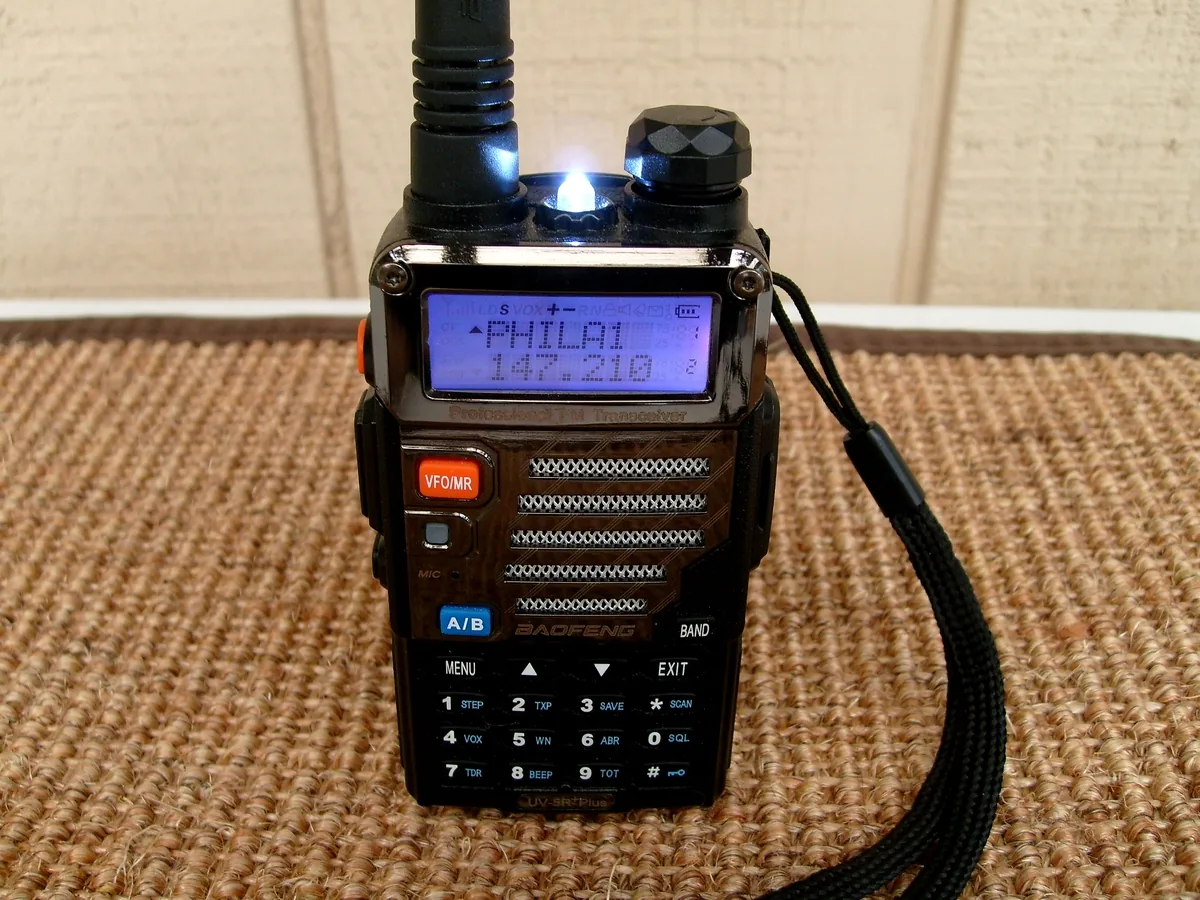
Most walkie-talkies, or personal mobile radios, use radio spectrum that the government controls. Under the 2018 rules on low-power short-range devices, only radios working in the 446.0 to 446.2 MHz band are exempt from needing a licence, and even they come with conditions, the release said. Devices on other frequencies fall under the regular wireless rules.
In January 2026 the CCPA said many radios sold online worked in the UHF (ultra high frequency) band, which police, emergency services and disaster response teams also use, the news agency IANS reported at the time. Some listings called the devices “license-free” or fully legal when they were not, and some radios sold as toys claimed a range of up to 30 kilometres, according to the same report. The CCPA said then that even radios in the exempt band need an ETA before they are imported or sold.

All 12 walkie-talkie penalties so far, and the court challenges
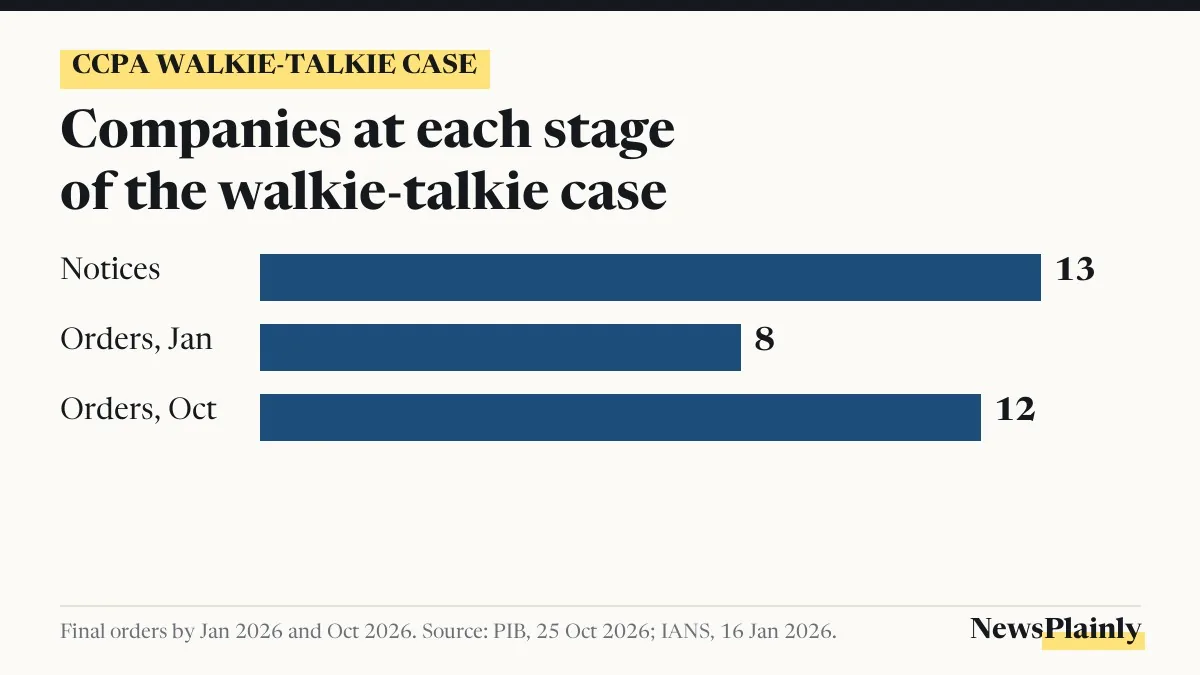
The CCPA took up the issue on its own, without a complaint, after finding large-scale listings of walkie-talkies with no regulatory details. It identified more than 16,970 such walkie-talkie listings and sent notices to 13 e-commerce companies. Here is where the 12 final orders stand, as listed in the release.
| Company | Penalty | Status given in the release |
|---|---|---|
| Amazon Seller Services | ₹10 lakh | Challenged in Karnataka High Court |
| Flipkart Internet | ₹10 lakh | Challenged in Karnataka High Court |
| Meta Platforms | ₹10 lakh | Appeal at NCDRC |
| TradeIndia (Infocom Network) | ₹10 lakh | Appeal at NCDRC; told to deposit the penalty |
| Meesho | ₹10 lakh | No challenge mentioned |
| JioMart, Chimiya, MaskMan Toys, Talk Pro, Sanchar Wireless, Antriksh Technosys, Hogar | ₹1 lakh each | No challenge mentioned |
The release puts the combined penalties at ₹58 lakh. By NewsPlainly’s count, the amounts it lists add up to ₹57 lakh: five penalties of ₹10 lakh (₹50 lakh) and seven of ₹1 lakh (₹7 lakh). The release does not explain the difference.
IndiaMART, the 13th company that got a notice, has gone to the Delhi High Court against the proceedings, while its case is still pending before the CCPA. In TradeIndia’s appeal, the National Consumer Disputes Redressal Commission (NCDRC) has directed the company to deposit the penalty amount.
How the walkie-talkie crackdown built up
The case has moved in three steps. In 2025 the CCPA issued guidelines on the illegal listing and sale of radio equipment, including walkie-talkies, on e-commerce platforms. According to MediaNama’s account of those guidelines, listings of licence-free radios must show the frequency range and the ETA, signal boosters and jammers must not be sold at all, and platforms must remove a non-compliant listing within 24 hours of a government direction.
By January 2026 the authority had passed final orders in eight cases: Meesho, Talk Pro, MaskMan Toys, Chimiya, JioMart, Meta, Flipkart and Amazon, IANS reported. Five more, including TradeIndia, IndiaMART and Antriksh, were then still under investigation or hearing. The October release adds TradeIndia, Antriksh, Sanchar Wireless and Hogar to the list of final orders, taking it to 12.
What walkie-talkie listings must now tell buyers
The CCPA repeated in its release that walkie-talkie listings and advertisements must clearly state three things: the operating frequency, any licence needed, and other material regulatory details. Read with the 2025 guidelines, that means a buyer looking at a listing should be able to see:
- the frequency range the radio works on;
- whether that frequency is in the licence-exempt 446.0 to 446.2 MHz band;
- the Equipment Type Approval for the model.
The authority said listings must give this information however the product is finally sold. The final order is published on the CCPA website. Separately, the rule tying chat apps to an active SIM card comes into force on 1 January 2027.
Frequently asked questions
Do I need a licence to use a walkie-talkie in India?
Only radios working in the 446.0 to 446.2 MHz band are exempt from a licence under the 2018 rules, subject to conditions. Radios on other frequencies come under the regular wireless rules.
Which companies did the CCPA fine over walkie-talkies?
Amazon Seller Services, Flipkart Internet, Meesho, Meta Platforms and TradeIndia were fined ₹10 lakh each. JioMart, Chimiya, MaskMan Toys, Talk Pro, Sanchar Wireless, Antriksh Technosys and Hogar were fined ₹1 lakh each.
What must a walkie-talkie listing show?
The CCPA says advertisements and listings must clearly state the operating frequency, any licence needed and other material regulatory details. Under the 2025 guidelines, licence-free radios must also show their Equipment Type Approval.