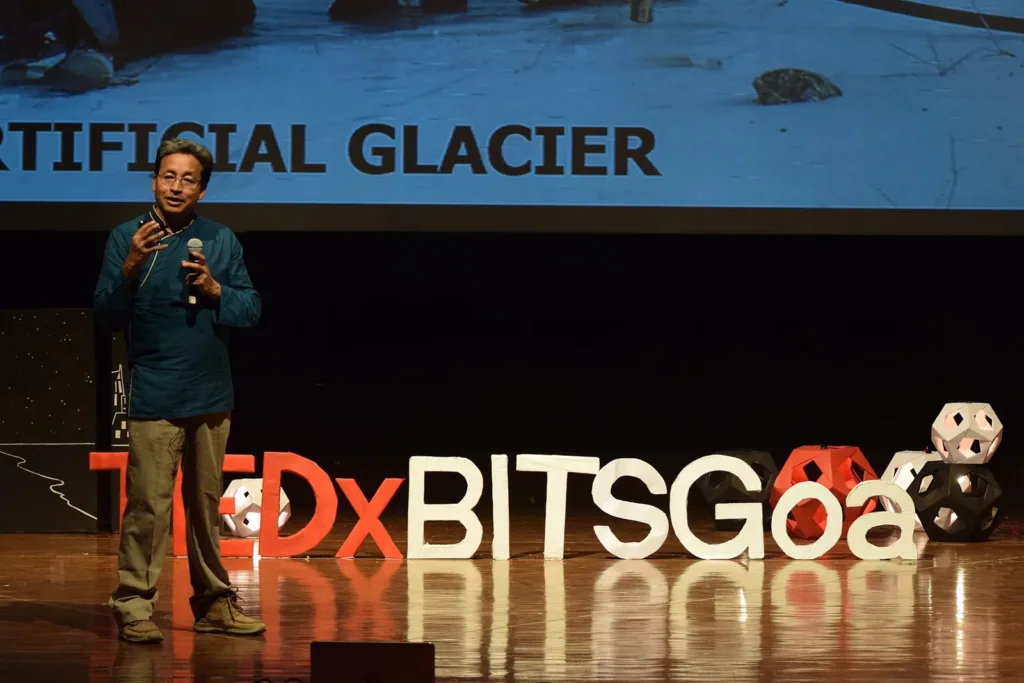
Representative image. Sonam Wangchuk, CC BY 2.0, Wikimedia Commons

हिन्दी में सारांश Summary in Hindi
- पने आवास पर नजरबंद किए जाने का आरोप लगाया है।
- प्रशासन ने बीएनएसएस की धारा 163 के तहत आगामी चुनावों के दौरान शांति बनाए रखने के लिए निषेधाज्ञा लागू की है।
- स्थानीय संगठन कड़ाके की ठंड के कारण 4 दिसंबर को होने वाले परिषद चुनावों को टालने की मांग कर रहे हैं।
বাংলায় সারাংশ Summary in Bangla
- ভিযোগ তুলেছেন।
- ধীনে আসন্ন নির্বাচনের সময় শান্তি বজায় রাখতে নিষেধাজ্ঞা জারি করেছে।
- স্থানীয় সংগঠনগুলি তীব্র ঠান্ডার কারণে ৪ ডিসেম্বরের পাহাড়ি পরিষদ নির্বাচন পিছিয়ে দেওয়ার দাবি জানিয়েছে।
Why it matters
The dispute highlights growing friction over democratic processes in the Union Territory, where local bodies want council polls moved to spring because freezing temperatures hamper voter turnout.
Climate activist Sonam Wangchuk reported on Thursday that authorities have placed him under effective house arrest at his residence in Leh, stationing dozens of armed security personnel outside his home. The restrictions followed an administrative order invoking Section 163(1) of the Bharatiya Nagarik Suraksha Sanhita, which regulates public assemblies. In a formal representation addressed to senior Ladakh officials and the Union Home Ministry, Sonam Wangchuk described the measures as bad in law, arbitrary, vague and disproportionate. He noted that while the written directive refrains from using explicit terms such as house arrest or detention, police officers on the ground gave oral instructions barring him from stepping outside his premises.
The administrative intervention comes amid mounting political friction across the high altitude region over election scheduling. The administration has slated local panchayat and municipal elections for 21 November 2026, followed by polling for the Ladakh Autonomous Hill Development Council on 4 December 2026. However, major local organisations, including the Leh Apex Body and the Kargil Democratic Alliance, have demanded that the council polls be postponed until April or May 2027, citing severe winter snowfall, sub-zero conditions, and logistical hardships for rural residents.
Why Sonam Wangchuk challenges the Leh restriction order
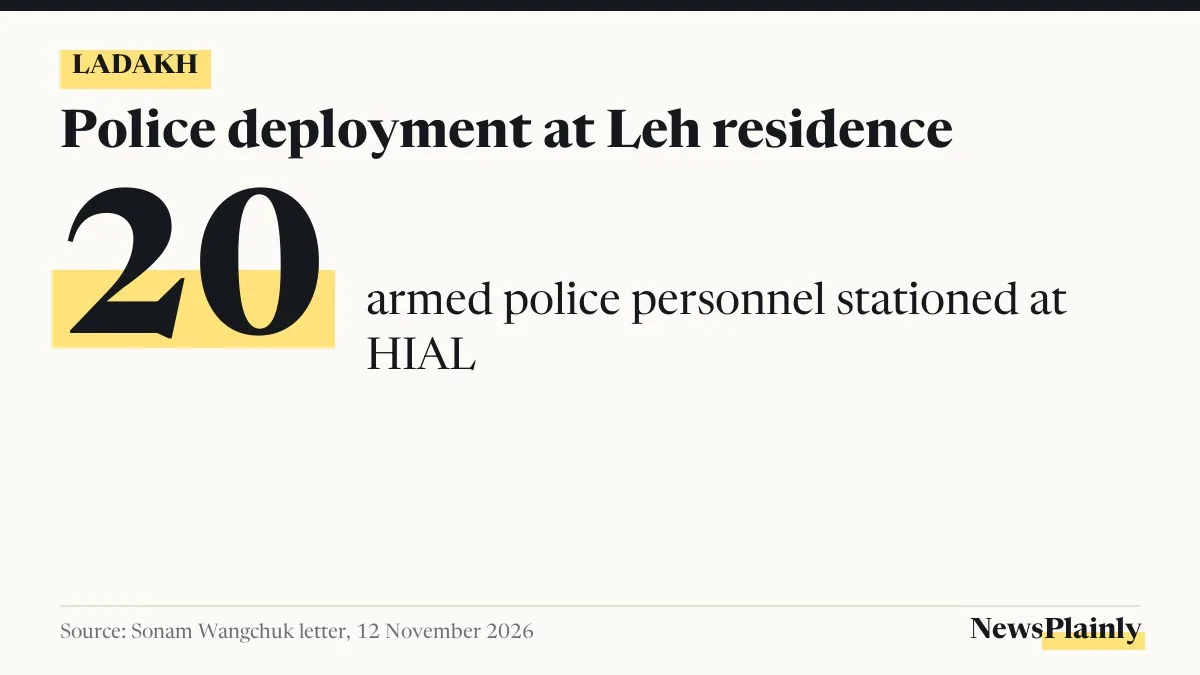
According to the written submission sent by Sonam Wangchuk on 12 November 2026, police units escorted him away from a designated protest venue in Leh on Wednesday evening. He was transported to his village and eventually arrived at the Himalayan Institute of Alternatives Ladakh campus at approximately 8:40 pm IST. Upon arrival, he was instructed to remain inside under constant police watch. Between 20 and 22 armed personnel were stationed immediately around his house.
The Hindu reported that Sonam Wangchuk specifically questioned the legal justification of the directive issued by the Additional District Magistrate (the executive officer overseeing district administration) of Leh. In his communication, Wangchuk pointed out that the document failed to identify any continuing emergency or personal security threat that would warrant prolonged confinement. He noted that he had neither requested armed protection nor received any official paperwork outlining the legal basis for the heavy security deployment surrounding his private quarters.
Police authorities in Ladakh presented a contrasting interpretation of the situation. Officers maintained that the measures do not constitute house arrest, but rather reflect lawful enforcement of prohibitory directions issued under election rules. Officials explained that public gatherings, rallies, and processions require explicit permission during the active election period to preserve public peace and avoid disruptions to the ongoing voting machinery.
Comparing the administration order with Wangchuk objections
The dispute reflects a fundamental clash between administrative election management and citizen rights to assemble peacefully. The table below outlines the core elements of the official Section 163 order alongside the specific objections submitted by Sonam Wangchuk in his formal representation.
| Element | Administrative Order (Leh Administration) | Sonam Wangchuk Representation |
|---|---|---|
| Legal Provision | Section 163(1) of Bharatiya Nagarik Suraksha Sanhita (BNSS) | Challenges lack of recorded emergency or individual threat justification |
| Stated Objective | Prevent breach of peace and ensure peaceful conduct of electoral processes | Argues curbs are designed to suppress lawful election timeline protests |
| Terminology Used | Prohibits unauthorised rallies, processions, and public gatherings | Conspicuously omits house arrest, detention, or formal confinement |
| Enforcement Method | Deployment of police personnel across sensitive locations | Stationing of 20 to 22 armed guards with oral confinement orders |
| Scope of Curbs | Territorial jurisdiction of Leh district during the election period | Unclear scope leaving enforcement entirely to police discretion |
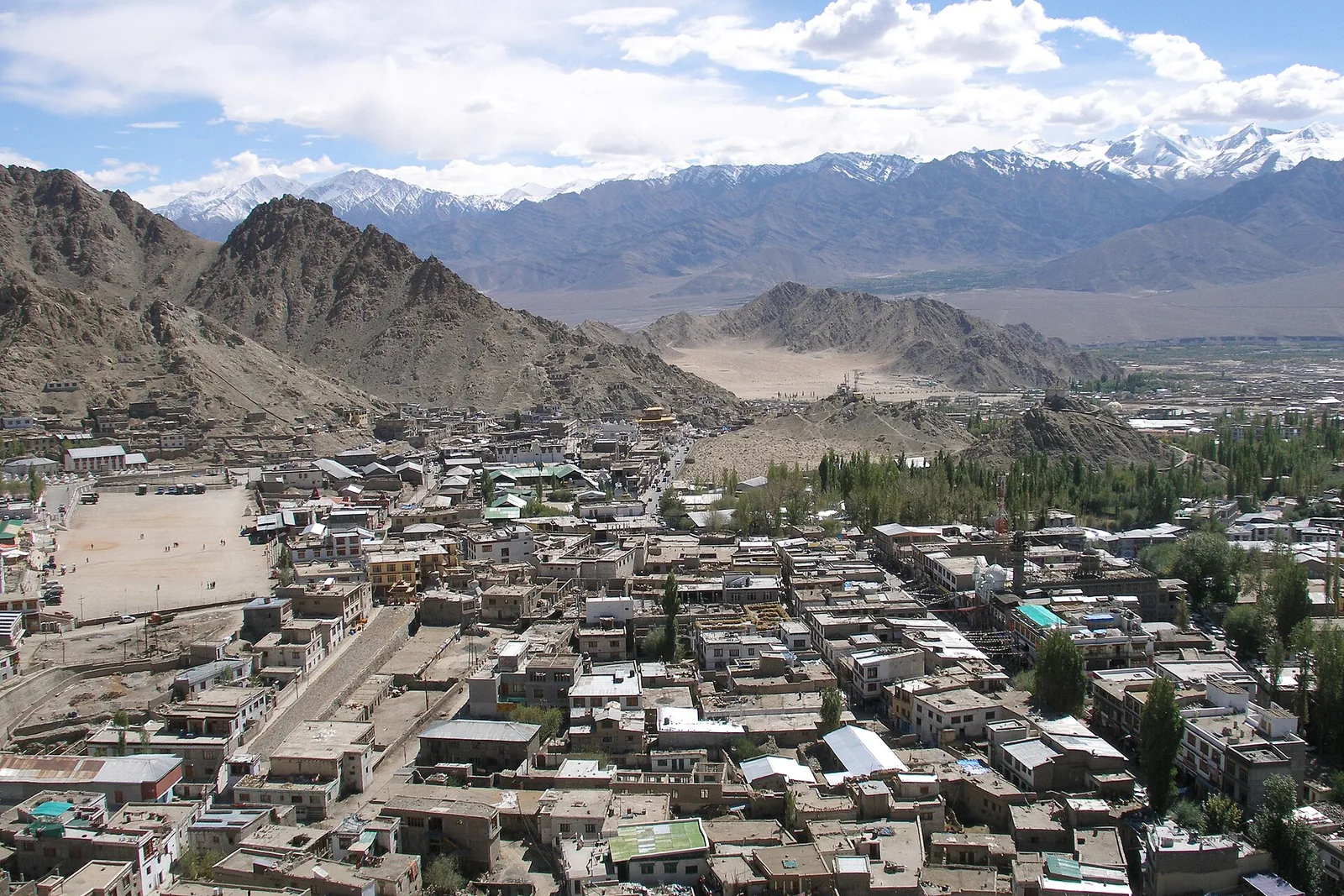
In a related report, Dainik Bhaskar highlighted that Sonam Wangchuk plans to challenge the oral restrictions before judicial forums, including approaching the local magistrate, the High Court of Jammu and Kashmir and Ladakh, and the Supreme Court of India if administrative relief is not granted. Wangchuk emphasized in a video address that Ladakh residents have consistently supported national security while advocating for constitutional safeguards.
The broader battle over winter elections and council restructuring
The controversy surrounding the movement of Sonam Wangchuk is closely tied to an institutional overhaul of local governance in Ladakh. This year marks the first time that council elections will cover 8 separate districts, expanding significantly from the historic two council setup of Leh and Kargil after the central government notified six newly created administrative districts across the Union Territory.
These local councils hold significant administrative power over district budgets, rural development, land management, school education, and public healthcare. The election schedule sets polling for 4 December from 8:00 am to 5:00 pm IST, with vote counting scheduled for 8 December. Civil society leaders maintain that conducting elections during December creates severe risks for elderly and rural voters, as mountain passes become blocked by heavy snow and temperatures routinely plunge well below freezing.
Beyond the polling dates, civil society representatives have also demanded the public release of the official Commission of Inquiry report concerning earlier protests from September of last year. Local groups argue that unresolved political grievances and delayed dialogue with the central government continue to fuel public demonstrations. For more background on administrative and policy decisions shaping the region, readers can explore our coverage in the NewsPlainly politics section.
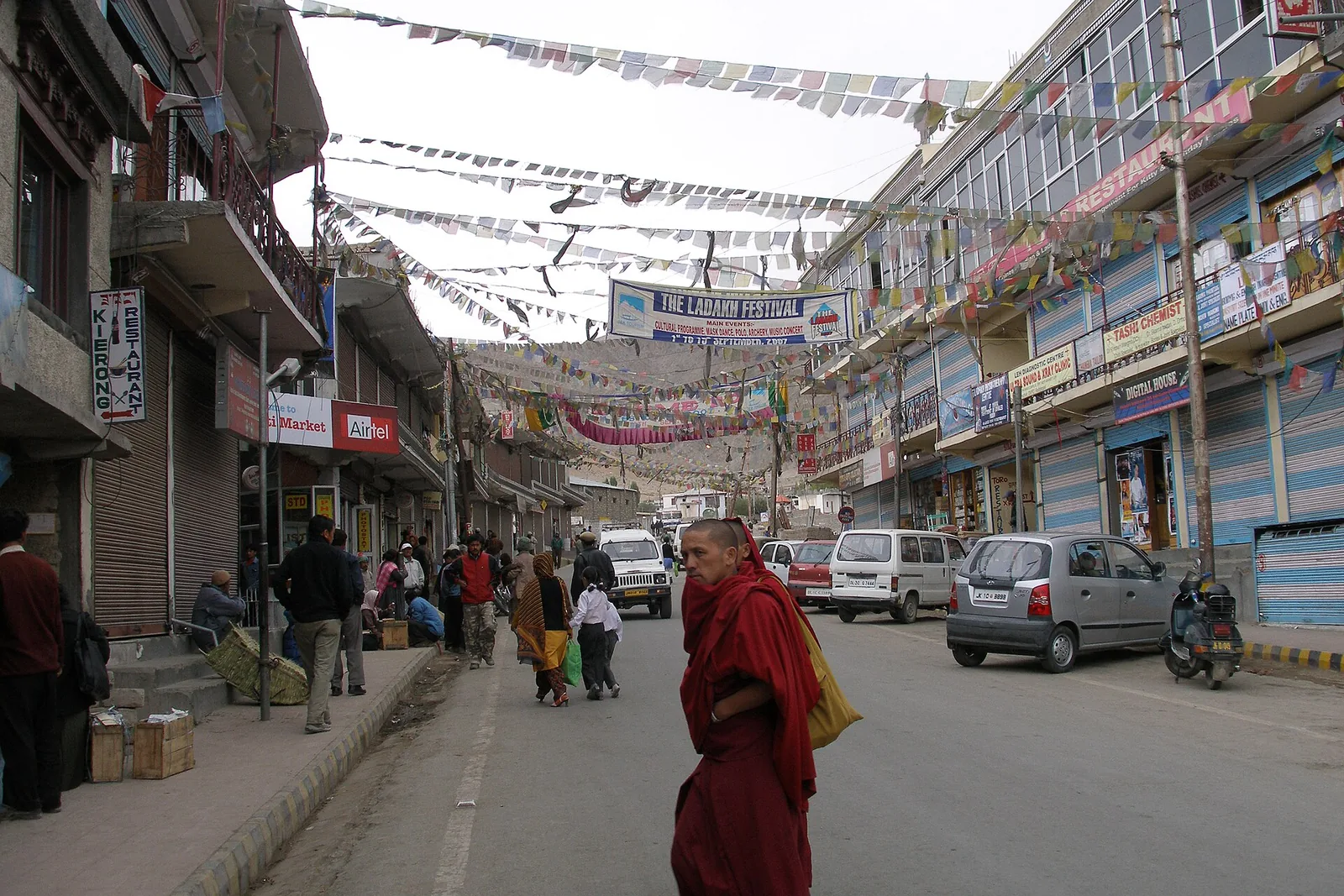
Community leaders in Leh and Kargil pointed out that political mobilisation in Ladakh faces distinct logistical realities compared with plains states. In mid-winter, access between rural hamlets and polling stations often requires navigating treacherous icy roads. Organisers noted that freezing daytime conditions make standard campaign meetings nearly impossible in remote valleys, reducing participation for both candidates and voters.
With civic body polls scheduled for next week on 21 November and council voting set for early December, the coming days will test whether the regional administration maintains strict assembly prohibitions or accommodates requests for revised election dates. Sonam Wangchuk has called for an immediate withdrawal of the restrictions, asking the Union Home Ministry to clarify whether private citizens can be detained without a written detention order.