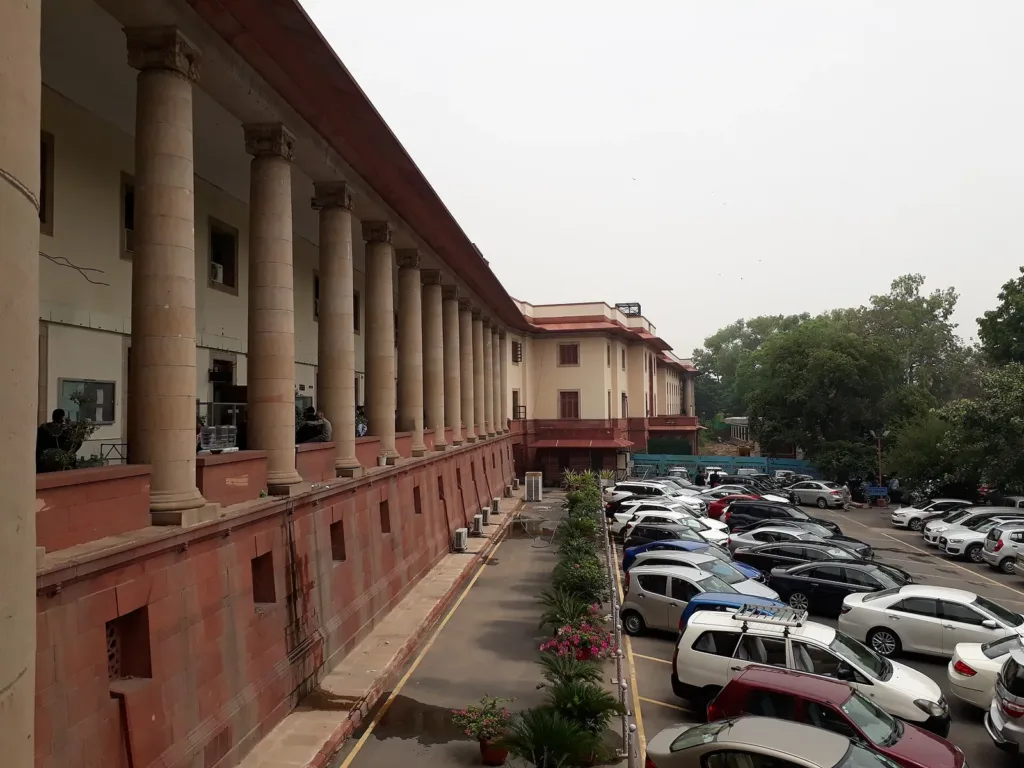
Representative image. Pinakpani, CC BY-SA 4.0, Wikimedia Commons

Why it matters
The case decides whether the rules used to revise voter lists across states were made lawfully. If the Supreme Court finds a decision was taken against the 2023 law, it has said it can set that decision aside. For people applying to vote now, the affidavit spells out how the SIR declaration and home collection of documents are meant to work.
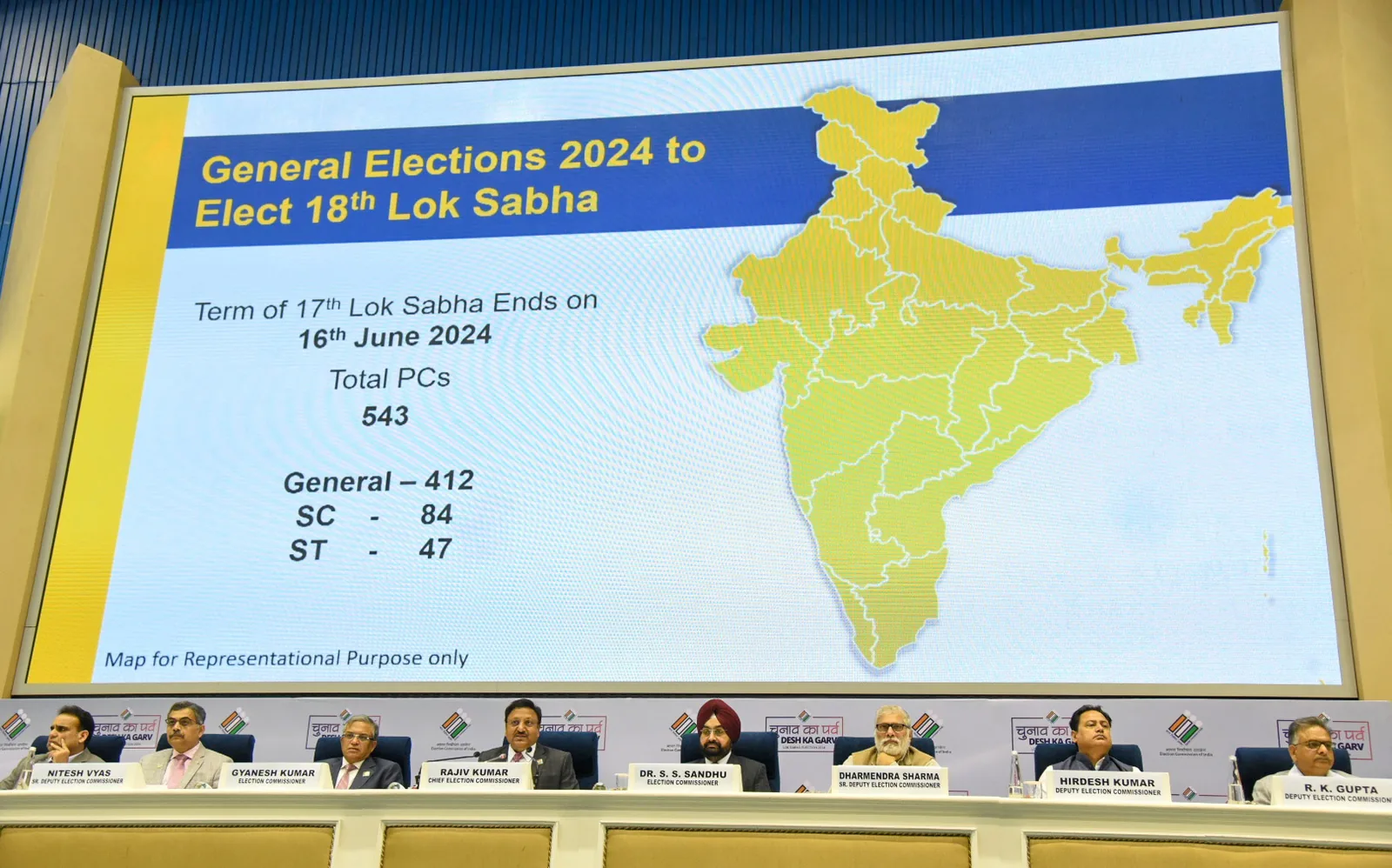
The Election Commission of India (ECI) has told the Supreme Court that all its decisions on the Special Intensive Revision (SIR) of voter lists had the backing of all three of its members. In a SIR affidavit filed on Monday, 26 October 2026, the poll body said Chief Election Commissioner (CEC) Gyanesh Kumar and Election Commissioners Sukhbir Singh Sandhu and Vivek Joshi jointly approved the three SIR orders, and that Form 6, the form used to join the electoral roll, was never changed, LiveLaw reported.
The filing answers petitions that accuse the CEC of using the Commission’s collective powers on his own. The court had issued notice on those petitions on 5 October.
What the SIR affidavit says about the three orders
The orders in question are dated 24 June 2025, 27 October 2025 and 14 May 2026. They set the rules for the revision, a door-to-door recheck of the rolls. According to LiveLaw and the Press Trust of India (PTI) report carried by Mint, the affidavit says all three were unanimous decisions, and that the affidavit itself was approved by the CEC and both Election Commissioners.
Deputy Election Commissioner Bhanu Prakash Yeturu filed it, LiveLaw said. The Hindu described it as a common affidavit of nearly 250 pages for the ECI, the CEC and the two commissioners together.
The ECI also explained how a decision is made. A file goes to one Election Commissioner, then to the other, then to the CEC, and the approved decision carries all three signatures before the secretariat issues it, The Hindu quoted the affidavit as saying. Notes, queries or remarks a member writes on a file while it moves are not decisions of the Commission, the poll body argued, according to LiveLaw.
There is one exception the ECI itself mentions. When an order is urgent and a member cannot be present, approval is taken by “electronic means” and recorded in the file later, The Hindu reported.
Both sides cite Section 18 of the 2023 law on the CEC and Election Commissioners: the Commission should act unanimously as far as possible, and by majority when members differ.
Why petitioners say the CEC acted alone
The petitions followed an Indian Express report of 25 September, which said Sandhu and Joshi had recorded objections at least 14 times over about 10 months to SIR decisions, PTI reported. Petitioners include Rakesh Kumar Singh, whose writ petition this reply answers, advocate Shailendra Mani Tripathi, and leaders of the opposition INDIA bloc (Indian National Developmental Inclusive Alliance) including the Leader of the Opposition in the Lok Sabha, according to LiveLaw and The Hindu.
Tripathi’s petition asks for a forensic check of the ECINet and ERONet voter databases and a probe into the alleged deletion of about 13 crore names across 30 states and Union Territories, India Legal reported on 5 October. The INDIA bloc petition asks for an independent committee headed by a retired Supreme Court judge to audit deletions, The Indian Express reported. These are the petitioners’ claims; the court has not ruled on them.
The ECI’s answer is that the case rests on a newspaper report. The petitioner never checked the facts with the respondents, so the petition should not be heard, it argued, according to LiveLaw. The Commission also said it never released or authorised the release of any internal note to the media.
On 5 October a bench of Chief Justice Surya Kant and Justices Joymalya Bagchi and V. Mohana refused to suspend Kumar without hearing him first. It said it would look at the records and could set aside any decision taken against the law, India Legal reported.
Claims and answers side by side
| Issue | What petitioners and reports allege | What the ECI says |
|---|---|---|
| SIR orders | Issued over objections from 2 commissioners | All 3 orders unanimous, signed by all members |
| Form 6 | Changed without amending the rules | Unchanged; the SIR declaration is a separate paper |
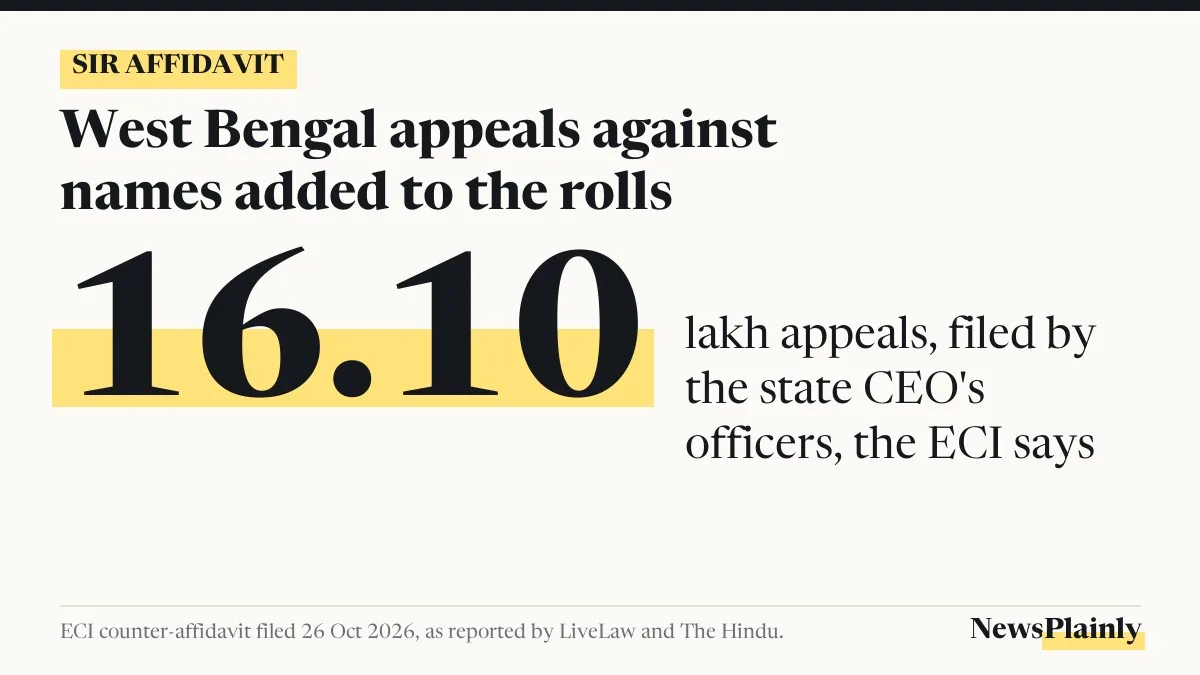
| 16.10 lakh Bengal appeals | Authority to file them in ECI’s name questioned | Filed by West Bengal CEO’s officers under court orders |
| 28 July 2026 office order | Passed without the 2 commissioners’ knowledge (The Hindu) | Never implemented |
| Basis of the case | Internal objections show unilateral action | A news report is not evidence; notes are not decisions |
Form 6 and the SIR declaration: what changes for voters
The sharpest dispute is over Form 6. The INDIA bloc petition alleges the form was modified without amending the rules, The Indian Express reported. The change at issue asks applicants to link themselves, or a parent or grandparent, to an older intensive roll, a step the two commissioners objected to, according to the Express report as summarised by LiveLaw. The ECI says only the Central government can amend Form 6 under the Registration of Electors Rules, 1960, and that the declaration is a separate document filed alongside it, LiveLaw reported.
It conceded one point. The way the declaration appeared on the online portal could give the impression that Form 6 had changed, the ECI said. From 21 October 2026, it said, the online process is split into two parts, Form 6 and the SIR declaration, as on paper, LiveLaw reported. NewsPlainly covered a separate Supreme Court hearing on Form 6 in the Maharashtra SIR on 26 October.
For someone applying to vote now, the affidavit describes two paths:
- If your details match an older roll (yours or a relative’s), you file the declaration with Form 6 and need no further documents, PTI reported.
- If they do not match, you still need supporting documents, but a booth-level officer (BLO) is to collect them from your home and upload them to ECINet for the electoral registration officer (ERO), LiveLaw reported. In-person hearings are meant only for exceptional cases, preferably online.
The Bengal appeals and the July order
The petition questions who authorised about 16.10 lakh appeals filed in West Bengal against people added to the rolls. It cites a 12 August 2026 note attributed to Sandhu asking that question, LiveLaw reported. The ECI’s reply is that officers of the state’s Chief Electoral Officer (CEO) filed them as authorities under the Representation of the People Act, relying on Supreme Court orders of 1 and 6 April 2026, and that the matter never came to the Commission. It based this on a letter from the West Bengal CEO dated 22 October.
The Hindu reported that the affidavit also acknowledged that Sandhu and Joshi wrote separately to the Cabinet Secretary on 29 July about a 28 July office order on IT oversight of the rolls, and about the officer behind it. The ECI said that order was never put into effect.
On a smaller case in Goa, the ECI said 88 of 97 voters initially left out have since filed Form 6 and been accepted; six were abroad and three hold Portuguese passports, The Hindu reported. Those three groups add up to 97, by NewsPlainly’s check.
Timeline of the SIR dispute
- 24 June 2025, 27 October 2025, 14 May 2026: the three SIR orders.
- 28 July 2026: office order on IT oversight; the two commissioners write to the Cabinet Secretary the next day.
- 25 September 2026: Indian Express report of at least 14 objections.
- 5 October 2026: Supreme Court issues notice, refuses to suspend the CEC.
- 21 October 2026: online Form 6 and SIR declaration split, per the ECI.
- 26 October 2026: ECI files its counter-affidavit.
- 1 November 2026: INDIA bloc plans a Dilli Chalo march in Delhi, Congress leader K.C. Venugopal said, The Hindu reported.
The affidavit also argues that a CEC can be removed only the way a Supreme Court judge is, and that any attempt to restrain him is contrary to the 2023 law. The reports read did not give the date of the next hearing.
Frequently asked questions
What did the Election Commission tell the Supreme Court about SIR?
In an affidavit filed on 26 October 2026, it said all three SIR orders were unanimous decisions of the CEC and both Election Commissioners, and that Form 6 was not amended.
Was Form 6 changed for the SIR?
The ECI says no. It says the SIR declaration is a separate document filed with Form 6, and only the Central government can amend Form 6. Petitioners allege the form was modified.
Who filed the 16.10 lakh appeals in West Bengal?
The ECI says officers of the West Bengal Chief Electoral Officer filed them under Supreme Court orders of 1 and 6 April 2026, and the matter did not come to the Commission.
Has the Supreme Court suspended CEC Gyanesh Kumar?
No. On 5 October 2026 the court refused to suspend him without hearing him first and issued notice on the petitions.