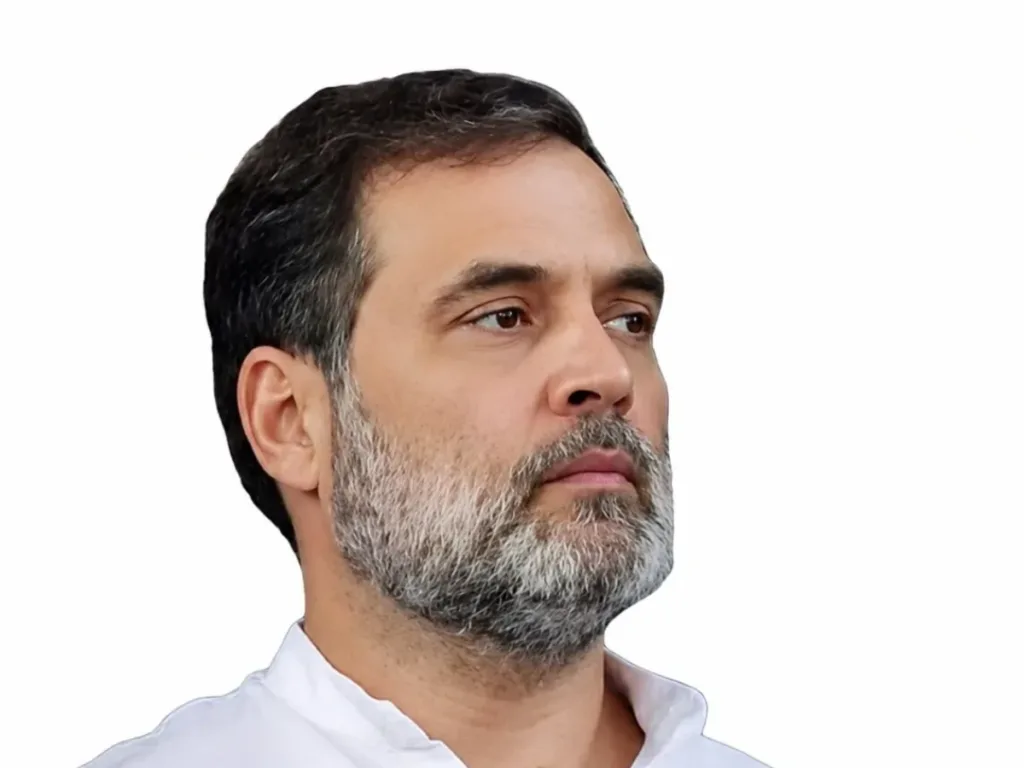
Retouched file portrait of Rahul Gandhi, derived from a New Delhi photograph dated 26 November 2025. Prime Minister’s Office / PIB, via Wikimedia Commons, GODL-India. The source portrait was digitally retouched; NewsPlainly cropped and resized it. Not a photograph of a court appearance or the November 2026 hearing.

Why it matters
The order removes a court direction that agencies verify a complaint against the Leader of the Opposition, but it does not clear or charge him. The case restarts in the High Court, where who may bring such a petition will be argued first. For readers following the headlines, the difference between a court asking for verification and an FIR or a finding is the point to hold on to.
The Supreme Court on Wednesday, 25 November 2026, set aside the Allahabad High Court’s orders in the Rahul Gandhi assets case, which asked the CBI and the ED to verify a complaint that Leader of the Opposition Rahul Gandhi holds assets beyond his known income. It sent the petition back to the High Court to be heard afresh, so the disproportionate assets case restarts from the beginning. The bench of Chief Justice Surya Kant and Justices Joymalya Bagchi and V Mohana made the order, the Indian Express and the New Indian Express reported. None of the reports read says the court looked at whether the allegation is true.
The New Indian Express quotes the order: “All the impugned orders passed by the High Court are set aside.” The matter goes to the Chief Justice of the Allahabad High Court, who is to form a fresh bench that will “commence the proceedings afresh in open court”. All contentions, including whether the writ petition can be heard at all, are kept open.
Why the court set the High Court order aside
The Times of India reports that the Allahabad High Court order fell mainly because it was passed without hearing Gandhi. In its account, the public interest litigation (PIL) by Karnataka-based BJP worker Vignesh Shishir was decided without giving him a chance to answer it, which the paper says breached natural justice. Deccan Herald adds that the bench had earlier asked why the High Court acted without hearing him and observed that courts are expected to follow natural justice when they issue directions.
Senior advocate Kapil Sibal, for Gandhi, argued that the Allahabad High Court order came from a process “unknown to law” that amounted to a “witch-hunt”. He also questioned the complainant’s standing and credentials, the Indian Express reported. Gandhi’s petition said Shishir has filed several proceedings against him since 2024, among them public interest litigations about his alleged foreign citizenship, the Times of India reported. Shishir appeared by video link. He told the bench he had not been given a pass to attend in person or a copy of the paper book, and asked for the papers and a hearing date, according to the Indian Express.
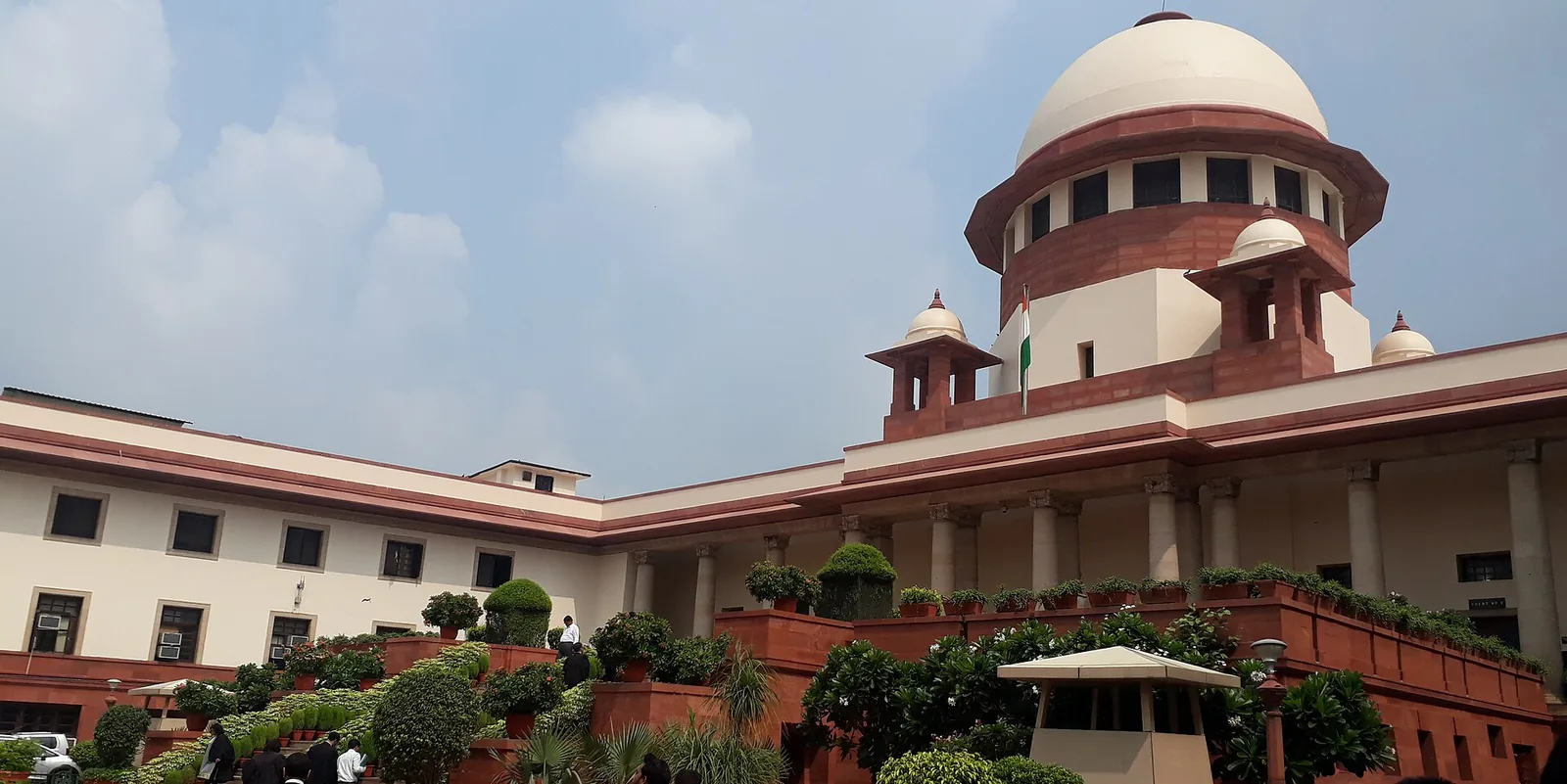
How the Rahul Gandhi assets case reached the Supreme Court
The dates below are from the Indian Express, the New Indian Express and the Times of India. The exact day in May is not given in the reports read.
| When | What happened |
|---|---|
| May 2026 | The Lucknow Bench of the Allahabad High Court asks the CBI and the ED to verify the complaint. It says the agencies may take steps “permissible under the law”. |
| 20 July | The High Court pulls up the CBI over its affidavit on the status of the inquiry. It notes the ED has taken steps. |
| 17 August | The Supreme Court asks the High Court to defer the case and tells the agencies not to file any report there for now. |
| 25 November | The Supreme Court sets aside the High Court’s orders and sends the petition to a fresh bench. |
At an earlier hearing, Additional Solicitor General S V Raju told the court that the CBI had not registered even a preliminary enquiry and was only verifying the complaint, the Times of India reported. The same report quotes Chief Justice Kant as saying that, as the court understood the law, an agency with prima facie material can register a case without the accused’s permission, but a court that wants to issue a direction is expected to follow natural justice.
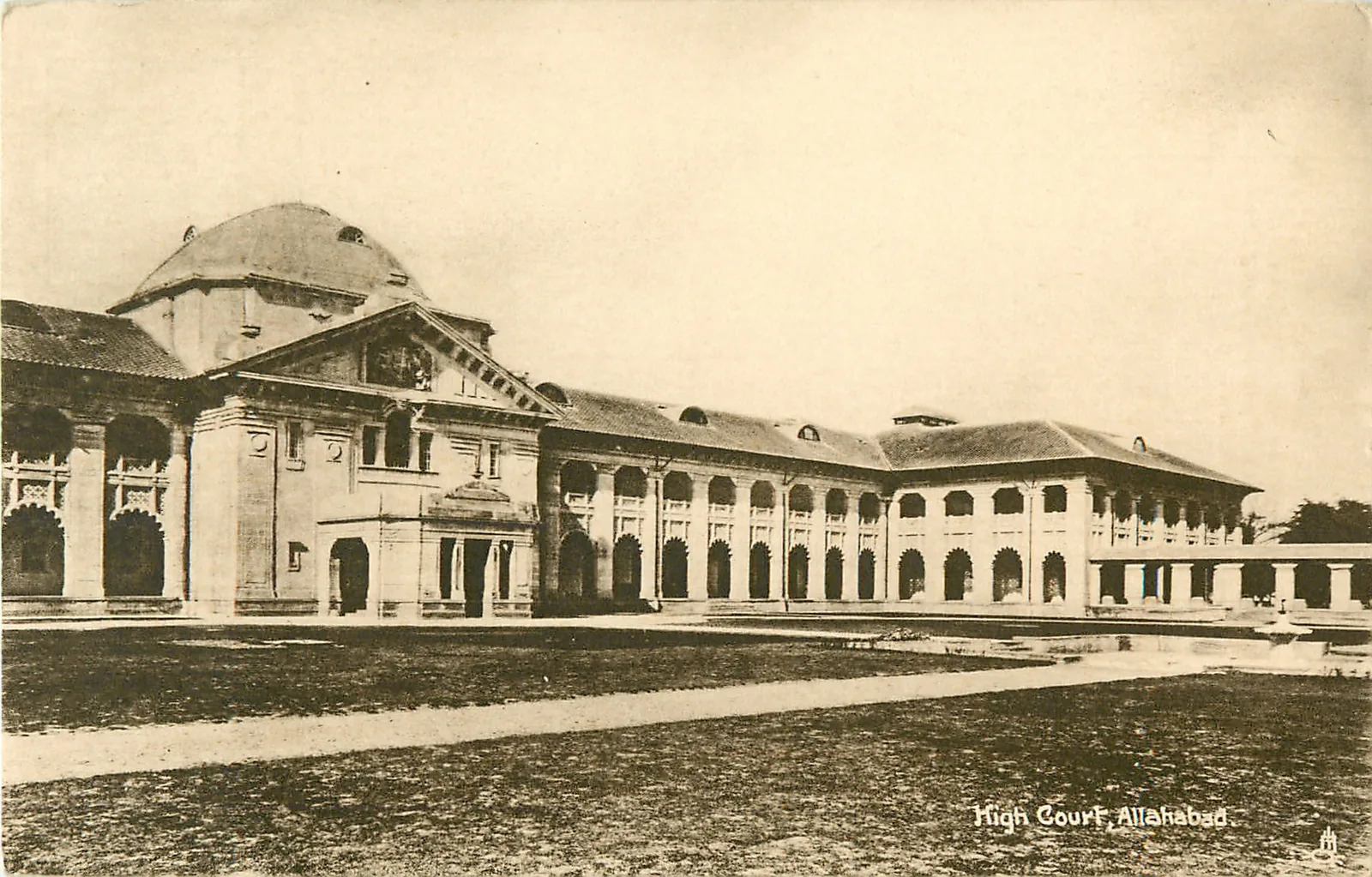
What the High Court had actually asked for
The Allahabad High Court order did not start a case or order an arrest. In May it said, as the Indian Express quotes it, that if the complaint had been received, “the allegations of the complaint may be verified as per law”, and that the CBI or the ED “may take appropriate steps which are permissible under the law”. That is a direction to check a complaint, one step before any FIR.
The complaint, according to the New Indian Express, alleges that Gandhi has assets beyond his known sources of income and spent ₹60 crore on foreign trips. That is the complainant’s allegation as the paper reports it; no report read says any agency or court has found it correct. In July, the Indian Express says, the High Court was unhappy with the CBI’s response but noted that the ED had taken steps. In the disproportionate assets case, the Supreme Court’s August hold stopped both agencies from sending reports to the High Court while it considered Gandhi’s appeal.
What the ruling settles and what stays open
For anyone reading the Rahul Gandhi assets case headlines, a court asking agencies to “verify” a complaint is not an FIR, a charge or a finding. The Supreme Court’s order removes that direction from the Allahabad High Court order. It does not clear Gandhi of the allegation, and it does not decide that the complaint is baseless. The matter now goes back to the High Court as a fresh petition hearing.
| Settled on 25 November | Still open |
|---|---|
| The earlier Allahabad High Court orders in the disproportionate assets case are set aside. | Whether the petition can be heard at all, including whether a private citizen from Karnataka can seek a CBI and ED check through a writ petition in Allahabad. |
| A fresh bench is to hear the petition afresh in open court, with Gandhi heard. | Whether the allegation of disproportionate assets has any substance. No report read says any court has examined it. |
| The August 2026 hold on agency reports is superseded by the new order. | What happens to Gandhi’s separate request to move the case out of Allahabad. The Times of India says the court did not consider it; the New Indian Express says it was disposed of. The reports read disagree. |
The last point in the first row is our reading: the August hold on reports was tied to the High Court’s July order, and that order is now among those set aside.
What the fresh bench will hear first
For the Rahul Gandhi assets case, the Allahabad High Court’s Chief Justice has to constitute the fresh bench. In the disproportionate assets case, that bench will first hear Gandhi on whether the petition is maintainable, and on the complainant’s standing, the Times of India and the New Indian Express reported. None of the reports gives a date for the next hearing. NewsPlainly could not open the Supreme Court’s order itself, so the wording above is as quoted by the newspapers.
More on the Leader of the Opposition: Rahul Gandhi in Chicago: India a side player, no election boycott.
Frequently asked questions
What did the Supreme Court decide on 25 November 2026?
It set aside the Allahabad High Court's orders asking the CBI and ED to verify the complaint against Rahul Gandhi and sent the petition to a fresh bench for a new hearing.
Has Rahul Gandhi been cleared of the allegation?
No report read says so. The Supreme Court did not rule on the truth of the allegation; the High Court is to hear the petition afresh, starting with whether it is maintainable.
Did the CBI register a case?
At an earlier hearing the CBI told the court it had not registered even a preliminary enquiry and was only verifying the complaint, the Times of India reported.