
Representative image. TeachAIDS from Stanford, California, USA, CC BY-SA 2.0, Wikimedia Commons

Why it matters
The case tests how far the government can order an OCI cardholder out of India after a protest-related detention, and whether that can be done without a hearing. The answer matters for OCI cardholders who live in India, who are foreign nationals in law.
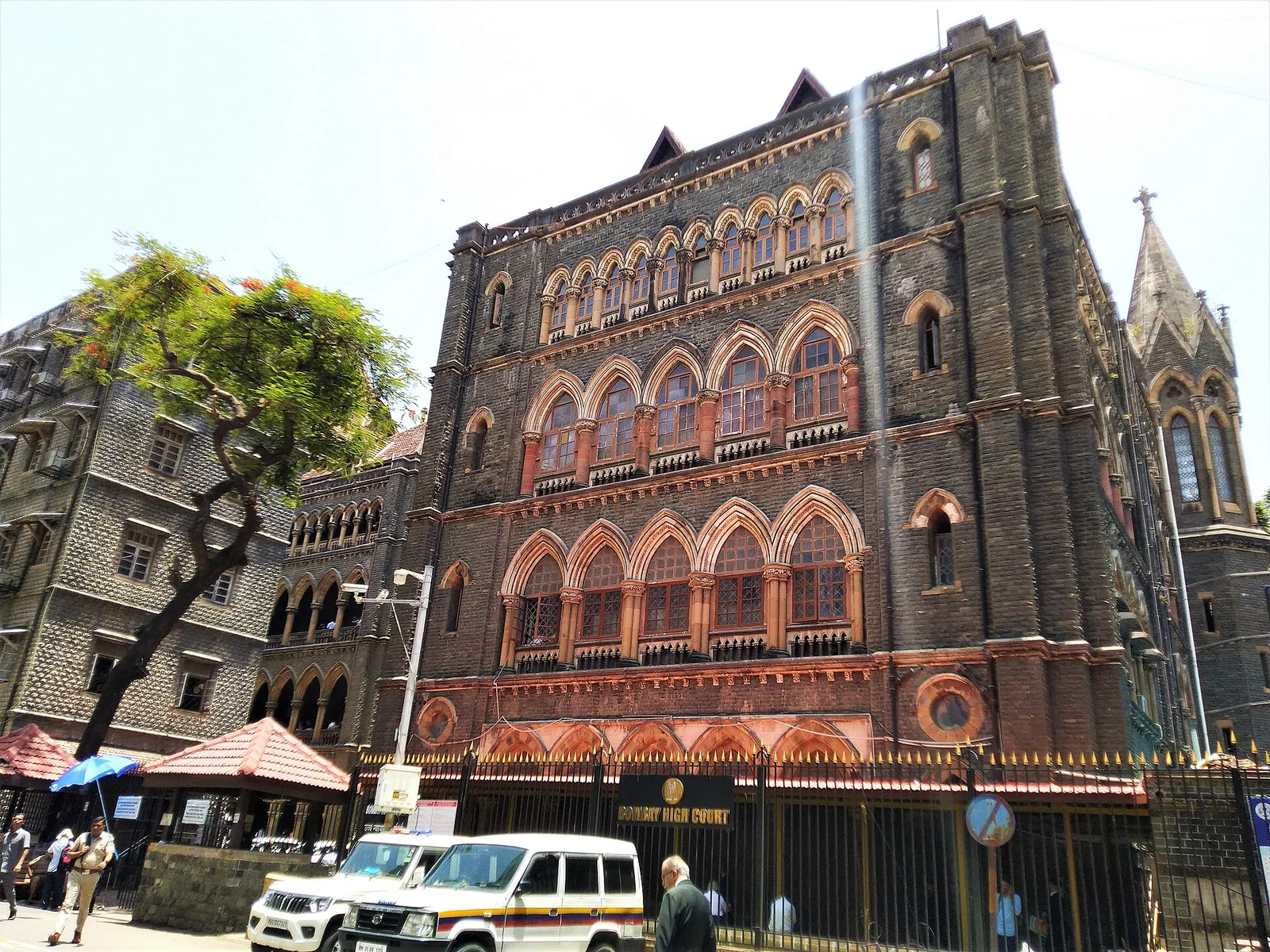
The Imran Khan leave India notice is on hold until 2 November 2026, when the Bombay High Court next hears the actor’s challenge to it. On 27 October the Centre orally assured the court that he would not have to leave before then, and the bench ordered that the notice be kept in abeyance till the next date, according to LiveLaw’s report of the hearing, The Indian Express and Bar and Bench.
The Foreigners Regional Registration Office (FRRO) in Mumbai, which handles the registration of foreign nationals, had told the Bollywood actor to leave the country by 28 October. Khan is a United States citizen who holds an Overseas Citizen of India (OCI) card, as reported from his petition. The notice came after he was detained near a protest in Mumbai on 10 October.
What the Centre told the Bombay High Court on 27 October
The petition came up before a division bench of Chief Justice Mahesh Chandra Tripathi and Justice Advait Sethna on Tuesday afternoon. Additional Solicitor General (ASG) Anil Singh, appearing for the Union government, asked for the hearing to be moved to Monday, 2 November. LiveLaw reported that he said Solicitor General Tushar Mehta could not join by video conference; The Indian Express reported that Mehta was busy before the Supreme Court in another case.
Senior Advocate Venkatesh Dhond, arguing for Khan, reminded the bench that the notice required his client to leave the very next day. Singh then said the government was only seeking time and gave an oral assurance that no action would be taken until the next date, according to all three reports. LiveLaw added that the ASG asked for the assurance not to be written into the order, and that Khan’s counsel agreed.
The Indian Express and Bar and Bench both quoted the order as saying the decision under challenge “shall be kept in abeyance till the next date”. NewsPlainly has not seen the written order. Bar and Bench reported that the case will be heard at 3 pm on 2 November.
The Indian Express also reported an intervention application from a third party, which argued that a civil writ petition against the FRRO could not be heard on the criminal side of the court. Dhond said the intervenor had no standing in the case. The bench remarked orally that the matter arose from a civil consequence and said it would ask the registry to check the point, the newspaper reported. That was an oral remark, not a ruling on the case.
Why the leave India notice was issued, as each side puts it
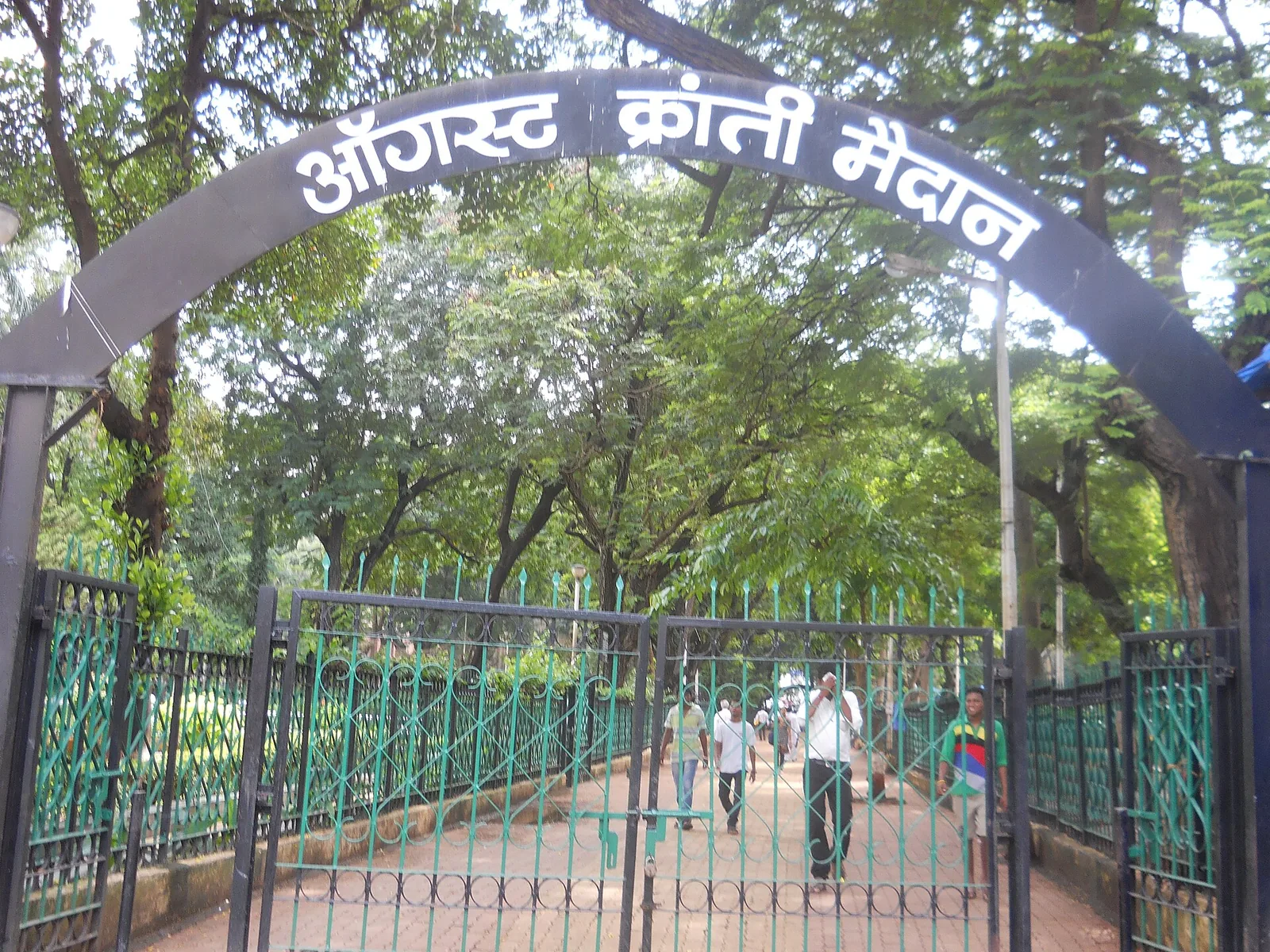
On 10 October Mumbai Police detained Khan at August Kranti Maidan, where a protest had been called demanding the removal of Chief Election Commissioner Gyanesh Kumar over the Special Intensive Revision (SIR) of electoral rolls, the Press Trust of India (PTI) and LiveLaw reported. He was released afterwards. BJP leader Kirit Somaiya then complained to Mumbai Police, pointing out that Khan is a US citizen and not an Indian citizen and seeking action against him, LiveLaw reported.
The police informed the FRRO, which issued the notice on 14 October. According to Bar and Bench and The Indian Express, it was issued for an alleged violation of the Immigration and Foreigners Act, 2025. LiveLaw reported that the notice warned of prosecution if he did not comply. PTI, citing police, reported that the notice relied on Section 7(2)(c) and Section 29 of that Act.
Khan disputes the basis of the notice. In his petition, filed on 17 October, he says he did not take part in the protest and was detained while near the site, according to LiveLaw and PTI. The Hindu reported that the petition says the notice did not name any specific breach of the 2025 Act or of the Citizenship Act, 1955, and was issued without an inquiry, a show-cause notice or a chance to respond, within five days of complaints by political leaders. He calls the action arbitrary and disproportionate and asks the court to quash the notice.
When the case was first mentioned on 19 October, Dhond told the court that Khan had no criminal antecedents and had lived in India since he was two, PTI reported. In the reports read, the Centre has so far sought time and has not yet argued the merits in court. The court had earlier asked Khan to add the Maharashtra government as a party so it could check whether he has any criminal record.
What sections 7 and 29 of the Immigration and Foreigners Act say
PTI reported that police cited two provisions of the Immigration and Foreigners Act, 2025. NewsPlainly read the text of both.
Section 7 lets the Central Government issue orders, directions or instructions that prohibit, regulate or restrict a foreigner’s entry into India, departure from it or continued presence in it. Such an order can apply to all foreigners, to a class of them or to one named person. Clause (c) of sub-section 2 covers the simplest case: an order that the foreigner shall not remain in India, or in a specified area of it. Clause (d) adds that a person told to leave can be made to pay the cost of their own removal.
Section 29 is the removal power. It lets the Centre direct that a foreigner be removed from India for breaking any provision of the Act, its rules or orders, or on the basis of an adverse security report. Officers can then use reasonable powers to enforce that direction. In plain terms, section 7 is the power to tell someone to go, and section 29 is the power to make them go.
An OCI card does not make its holder an Indian citizen. OCI cardholders are foreign nationals with a lifelong, multiple-entry visa and some privileges, The Indian Express noted in an explainer on 13 October, and they remain subject to the laws on foreigners. Cancelling the card itself is a separate process under Section 7D of the Citizenship Act. Bar and Bench reported that the FRRO issued a separate show-cause notice under Section 7D on 17 October, asking why his OCI registration should not be cancelled. Khan’s petition argues the FRRO skipped the hearing that Section 7D requires before OCI residency is taken away; the present petition does not challenge that show-cause notice itself, Bar and Bench reported.

Imran Khan leave India case: the timeline so far
- 10 October: Mumbai Police detain Khan at August Kranti Maidan, where a protest against the Chief Election Commissioner had been called; he is later released.
- 14 October: The FRRO issues the Leave India Notice, giving him until 28 October.
- 17 October: Khan files his petition in the Bombay High Court. The FRRO issues a separate OCI show-cause notice the same day, Bar and Bench reported.
- 19 October: The petition is mentioned; the ASG seeks time and the court lists it for 26 October.
- 26 October: The hearing is deferred to 27 October, 3 pm.
- 27 October: The Centre gives an oral assurance; the notice is kept in abeyance till the next date.
- 2 November: Next hearing, at 3 pm according to Bar and Bench.
What the 2 November hearing will take up
On 2 November the bench is due to hear the petition itself: Khan’s request to quash the notice, his request for interim protection while the case is pending and the Centre’s response, which has not yet been argued in court in the reports read.
Bar and Bench reported that the petition also seeks a stay on any lookout notice, protection of his OCI status and production of the internal records behind the decision. The reports read did not say when the FRRO will decide on the separate OCI show-cause notice. Until the next hearing, the notice under challenge stays in abeyance under the court’s order.
Frequently asked questions
Does Imran Khan have to leave India on 28 October?
No. On 27 October the Bombay High Court kept the notice in abeyance till the next hearing on 2 November 2026, after the Centre gave an oral assurance that no action would be taken till then.
Why was Imran Khan asked to leave India?
The FRRO issued the notice on 14 October for an alleged violation of the Immigration and Foreigners Act, 2025, after he was detained near a protest against the Chief Election Commissioner on 10 October. Khan denies taking part in the protest.
Is Imran Khan an Indian citizen?
No. He is a US citizen who holds an Overseas Citizen of India card, as reported from his petition. An OCI card gives a lifelong visa and some privileges but not citizenship.
Which law was used for the leave India notice?
Police cited Section 7(2)(c) and Section 29 of the Immigration and Foreigners Act, 2025, PTI reported. Section 7 lets the Centre order a foreigner not to remain in India; Section 29 is the power to remove one.