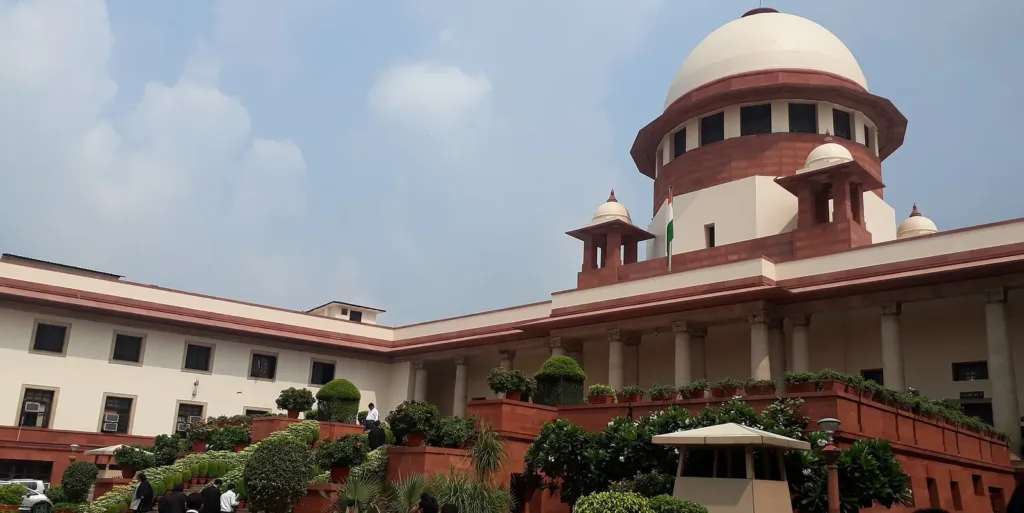
Representative image. Pinakpani, CC BY-SA 4.0, Wikimedia Commons

Why it matters
The orders decide which version of the national song is sung at official functions and, as reported, in schools, and a 2026 amendment now makes intentionally stopping its singing an offence. The petitions ask the court to decide whether the MHA could set the six-stanza version by executive order and whether people who do not sing can face consequences.
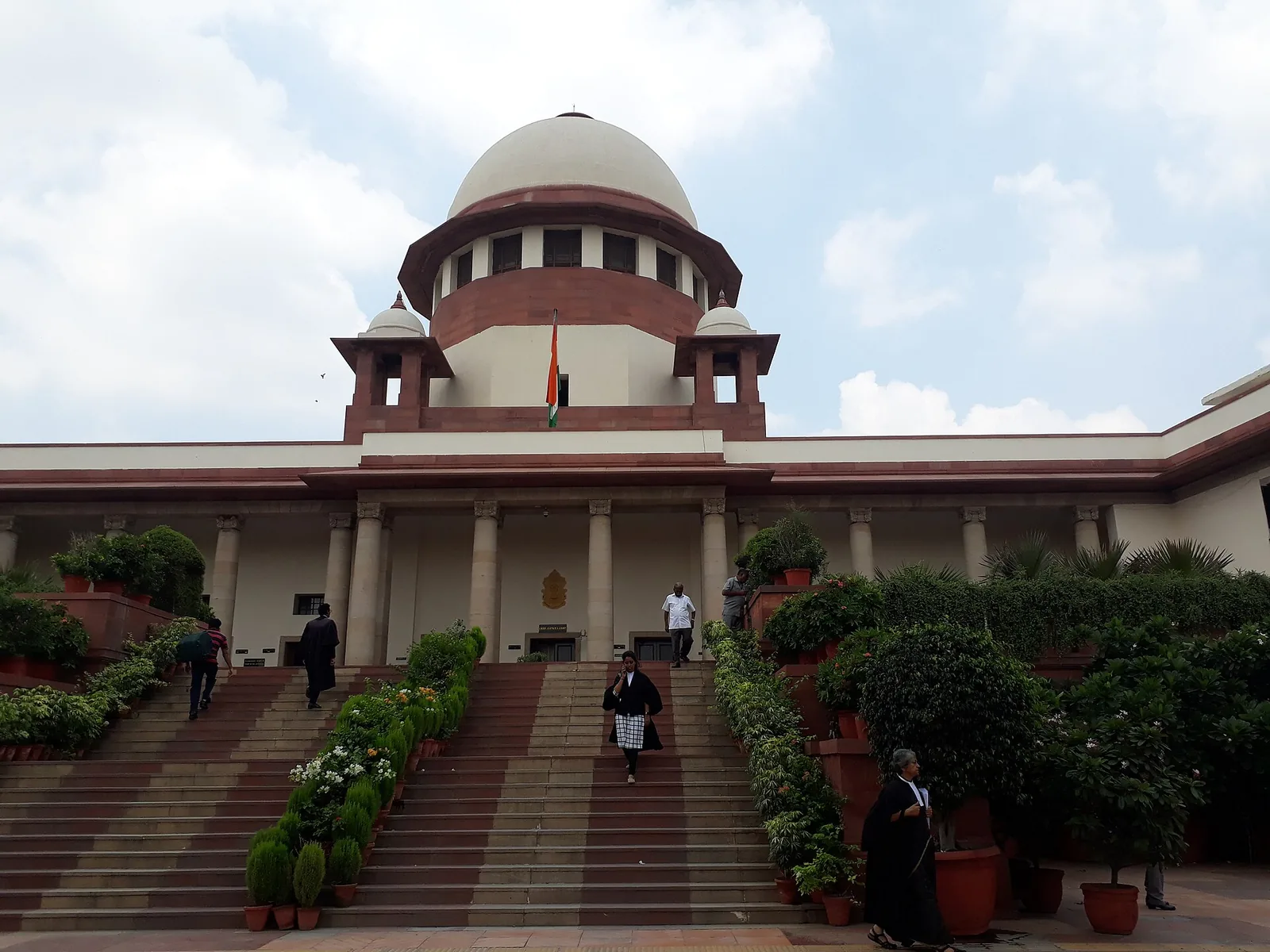
The Supreme Court on 27 October 2026 issued notice to the Centre on two fresh petitions against the Ministry of Home Affairs (MHA) orders that require all six stanzas of Vande Mataram, the national song, to be sung or played at official events. A bench of Chief Justice of India Surya Kant and Justices Joymalya Bagchi and V Mohana tagged the pleas with similar pending cases, LiveLaw and the Press Trust of India (PTI) reported.
The matter is listed for hearing on 30 November 2026, according to PTI. Notice means the court has asked the Union government to reply; it is not a ruling on the orders.
Who went to court over the Vande Mataram orders
The first petition is by Bhimrao Duryodhan Borkar, an Ambedkarite activist and a former national president of BAMCEF, the All India Backward and Minority Communities Employees Federation. The second is by Balakrishnan Sathyabhama Mavoji, a former Indian Administrative Service (IAS) officer from Kerala. Dr G Mohan Gopal appeared for both, LiveLaw reported.
Both challenge MHA orders of 28 January and 9 July 2026. NewsPlainly could not find the text of either order on the ministry’s website, so the details below come from reports of the orders.
According to February reports by SCC Online, a legal publisher, and Prasar Bharati’s News On AIR, the January order made the full official version of the national song, six stanzas lasting about 3 minutes and 10 seconds, the version to be used at official events. Listed occasions include civil investitures, the President’s and Governors’ arrival and departure at formal functions, and the President’s broadcasts to the nation. When the song and the national anthem, Jana Gana Mana, are performed together, the song comes first, and those present are expected to stand at attention, except when it is played as part of a film or documentary.
The July order widened the list of occasions, with schools among them, and kept the rule that the song is played before the anthem when both are used, LiveLaw reported. SCC Online had listed group singing in schools under the January order too.
What the petitioners argue about the six stanzas
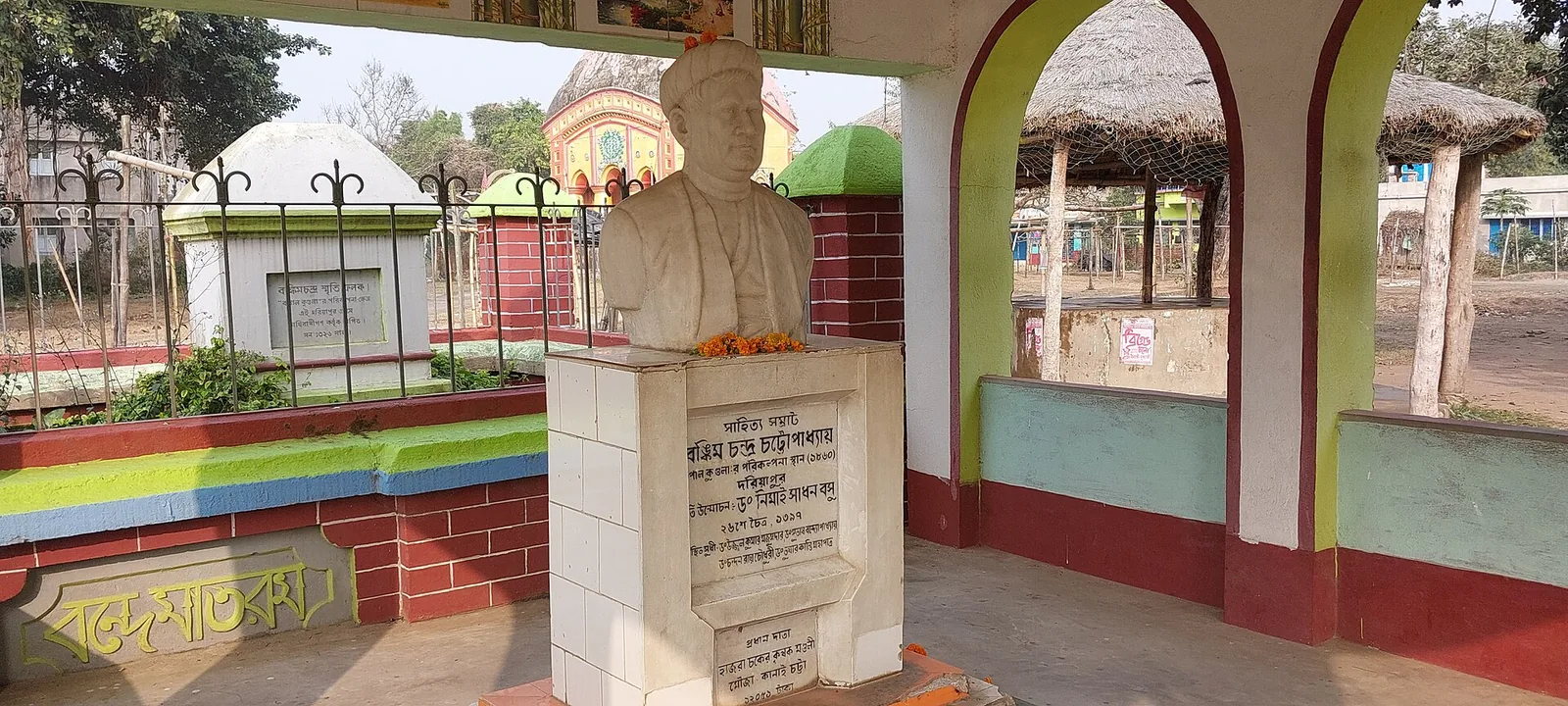
The petitions say only the first two stanzas have been sung since Independence. They rely on a 1937 resolution of the Congress Working Committee and on Rabindranath Tagore’s formula, which accepted the first two stanzas alone, according to LiveLaw’s account of the pleas. The other four stanzas appear in Bankim Chandra Chatterjee’s 1881 novel Anandamath, which the petition describes as hostile to Muslims; the petitioners say these stanzas invoke the Hindu goddesses Durga, Lakshmi and Saraswati.
Borkar argues that the orders replaced a practice followed for 79 years with the full six-stanza text, PTI reported. Mavoji argues that the move seeks to turn India into a sectarian, theistic state. LiveLaw quoted Borkar’s petition as saying the orders change the country’s polity from a “secular republic” to a “theocracy”.
The legal grounds, as LiveLaw set them out, are:
- the orders go against secularism and fraternity, part of the Constitution’s basic structure in the petitioners’ view;
- the MHA has no power under any law or the Constitution to change the national song through an executive order, and the orders cite none;
- they breach equality, freedom of speech and religion, life and liberty, and the right not to be made to take part in religious worship (Articles 14, 15, 19(1)(a), 21, 25(1) and 28(3));
- free speech includes the right to stay silent, and under the Supreme Court’s 1986 Bijoe Emmanuel judgment, not singing cannot by itself be treated as disrespect.
The reports read did not record any submission by the Centre at the 27 October hearing.
The government’s reasons for the full national song
The government set out its view in Parliament in July, during the passage of the Prevention of Insults to National Honour (Amendment) Bill, 2026. The amendment brings Vande Mataram under the 1971 Act that already protected the national anthem: intentionally stopping its singing, or disturbing a gathering that is singing it, can lead to up to three years in jail, a fine, or both, PTI reported. The Lok Sabha passed it by voice vote on 30 July 2026.
The government said the change gives the national song a status on par with the national anthem. Minister of State for Home Nityanand Rai told the Lok Sabha that “we need complete (all six stanzas) Vande Mataram song”, according to PTI. Kanimozhi, an MP of the Dravida Munnetra Kazhagam (DMK), opposed the bill, saying “You cannot impose nationalism by bringing a law.”
That law is itself under challenge. On 22 September, the Supreme Court heard Carnatic vocalist TM Krishna’s petition against the 2026 amendment, which also argues that the last four stanzas go against the country’s secular character, and asked the Union government to respond. The bench told the Centre that a conscientious objector should not be punished for not singing, and said it expected the principle of Bijoe Emmanuel to guide how the amended law is applied, PTI and Bar and Bench reported.
What the 1950 Constituent Assembly said about Vande Mataram
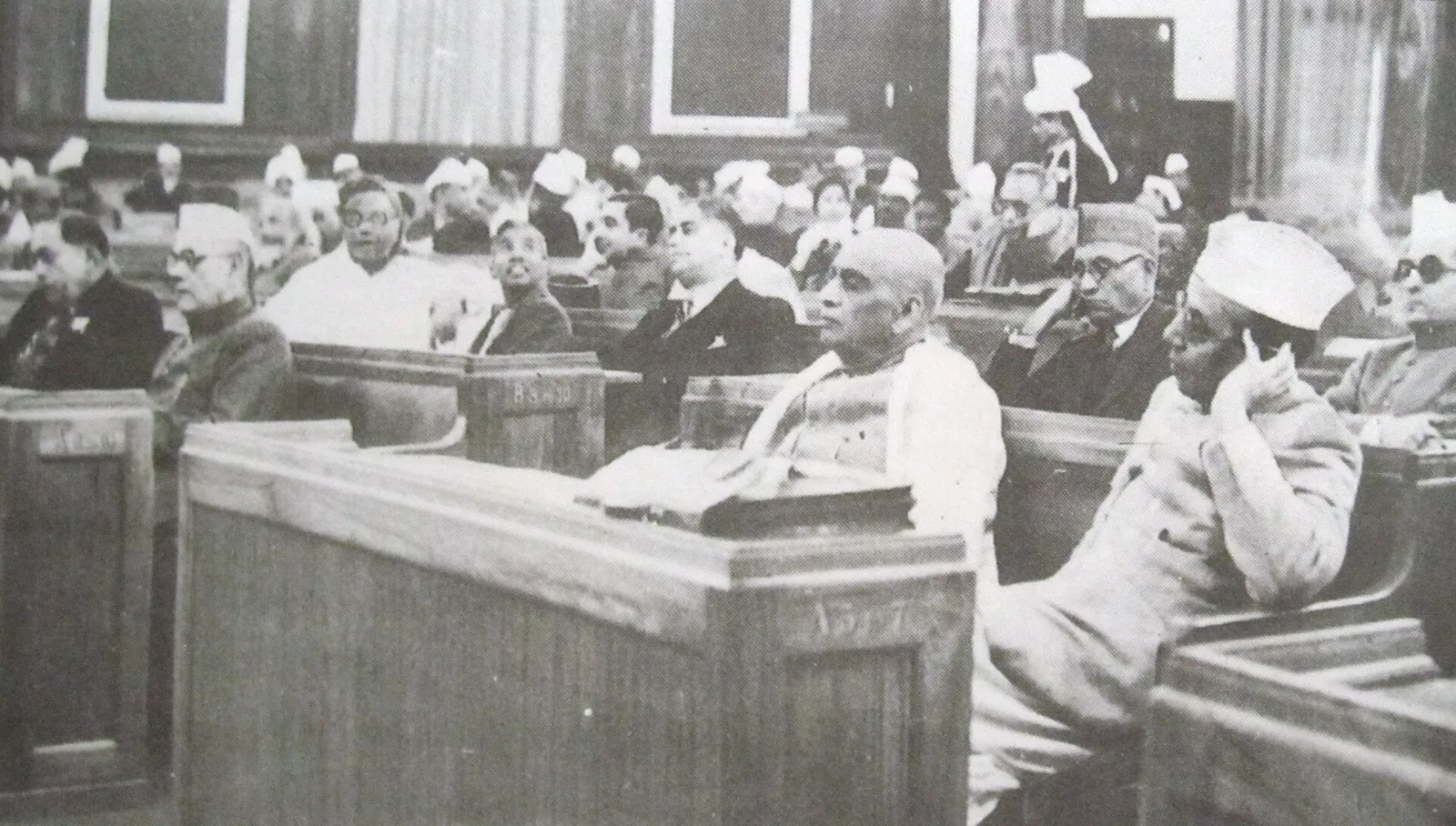
On 24 January 1950, President Rajendra Prasad read out a statement that made Jana Gana Mana the national anthem. In the same statement, recorded in the Constituent Assembly Debates, he said Vande Mataram, which had played a historic part in the freedom struggle, would be honoured equally with Jana Gana Mana and have equal status with it.
The statement does not say how many stanzas make up the national song. In the petitioners’ account, the two-stanza practice comes from the 1937 Congress decision, not the 1950 statement. Which text counts as the national song is now part of the case: the petitioners want the court to declare that only the two-stanza version is recognised.
Six-stanza orders and the petitions side by side
What the orders require, as reported, next to what the petitioners want:
| Issue | What the MHA orders say (as reported) | What the petitioners ask |
|---|---|---|
| Which version | Full official version of six stanzas, about 3 minutes 10 seconds | A declaration that only the two-stanza version is the national song |
| Where it applies | Official events, formal functions with the President or Governors, flag parades; schools (July order, as reported by LiveLaw) | An order stopping the Centre from requiring the six-stanza version at government, school and other events |
| Order with the anthem | Vande Mataram first, then Jana Gana Mana | Both orders, including this rule, set aside |
| People who do not sing | Audience to stand at attention | A declaration that no one can be forced to sing or play it, or be penalised for not doing so |
Timeline: the national song from 1937 to the Supreme Court
- 1937: A Congress Working Committee resolution accepts only the first two stanzas, according to the petitioners.
- 24 January 1950: President Rajendra Prasad tells the Constituent Assembly that Vande Mataram will have equal status with Jana Gana Mana.
- 1986: The Supreme Court’s Bijoe Emmanuel judgment protects schoolchildren who respectfully declined to sing the national anthem.
- 28 January 2026: The MHA issues the order setting the six-stanza official version.
- 9 July 2026: A second MHA order widens where it applies.
- 30 July 2026: Parliament completes passage of the amendment that brings the national song under the 1971 Act.
- 22 September 2026: The Supreme Court seeks the Centre’s response to TM Krishna’s challenge.
- 27 October 2026: Notice issued on the Borkar and Mavoji petitions.
- 30 November 2026: The tagged cases are listed for hearing, PTI reported.
What happens next in the Vande Mataram case
The Centre now has to reply to the two new petitions, which will be heard with TM Krishna’s case and the other similar pleas when they are listed on 30 November. The reports read did not mention any stay of the orders, and the petitioners’ grounds remain their arguments, not findings of the court.
Earlier that day the same bench also issued notice on news publishers’ challenge to the data protection law.
Frequently asked questions
Why are the Vande Mataram orders being challenged in the Supreme Court?
The petitioners say the MHA orders requiring all six stanzas breach secularism and fraternity, that the ministry had no legal power to change the national song by executive order, and that people cannot be forced to sing it.
How long is the six-stanza version of Vande Mataram?
About 3 minutes and 10 seconds, according to reports of the MHA's 28 January 2026 order.
When will the Supreme Court hear the Vande Mataram case?
The new pleas are tagged with similar cases and listed for 30 November 2026, PTI reported.
Did the 1950 Constituent Assembly fix how many stanzas of Vande Mataram to sing?
No. Rajendra Prasad's 24 January 1950 statement gave the song equal status with Jana Gana Mana but did not mention the number of stanzas.