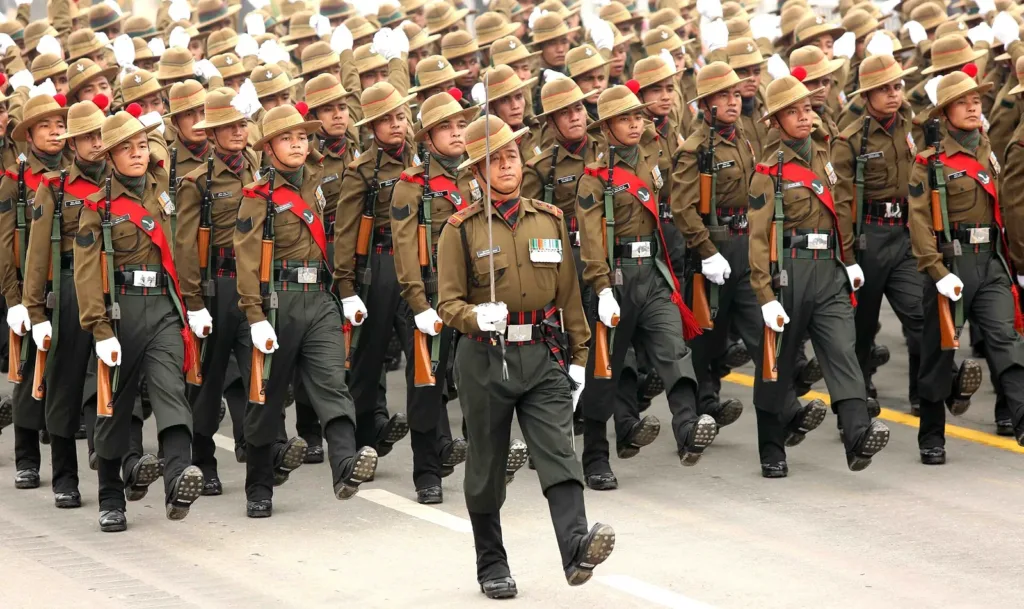
Representative image. Government of India, GODL-India, Wikimedia Commons

Why it matters
More than 18,300 Agniveers from the first batch were due to start leaving service from mid-November. The decision lets those not retained stay two more years at higher pay and gives them a second chance at a permanent post. It also changes what young people joining under the Agnipath scheme can expect after their first four years.
The Agniveer tenure can now run to six years. The Union Cabinet chaired by Prime Minister Narendra Modi on Wednesday, 4 November 2026, approved a two-year “Second Tour of Duty” for the 75% of Agniveers who are not kept on after their first four years. Chief of Defence Staff (CDS) General N.S. Raja Subramani announced the change at a media briefing the same afternoon, and said willing Agniveers who finish the extra two years can then be enrolled as regular soldiers if they meet objective selection criteria.
The Agniveer extension lands weeks before the first Agnipath batch was due to start leaving. Hindustan Times and The Tribune reported that more than 18,300 Agniveers were to exit the army, navy and air force by 31 December.
What the Cabinet approved for Agniveers
The 25% rule stays. As before, a quarter of each batch can be taken into the regular cadre after four years, on merit, The Hindu, The Tribune and Dainik Bhaskar reported. Hindustan Times said those selected serve another 15 years.
The change in Agniveer tenure is for everyone else. The remaining 75% will be offered a second engagement of two years instead of being released. Bhaskar reported that the extension will be given with the Agniveers’ consent, so it is an offer, not an order. “Initially, only 25% were to be retained. Now, the remaining 75% Agniveers will get a two-year engagement period offer,” the CDS said at the briefing, according to Hindustan Times.
At the end of that period, the CDS said, all willing Agniveers will be enrolled into the armed forces, subject to objective selection criteria. The Tribune quoted him as listing willingness, physical fitness, performance and prevailing guidelines. That makes it a route to permanent service with a selection step, not an automatic promotion for all.
Pay during the second tour of duty will be higher than what Agniveers earn now, Gen Subramani said, as reported by Hindustan Times, Indian Express and The Week. Indian Express added that he spoke of an enhanced Seva Nidhi package, the lump sum paid at exit, for those who choose to leave after the six years. None of the reports read gave the new pay or Seva Nidhi figures.
Defence Minister Rajnath Singh thanked the Prime Minister in a post on X. “This would also provide enrollment of all willing Agniveers as regular soldiers after the tenure of 4/6 years, who meet the selection criteria,” he wrote, calling it “not merely a recruitment policy”.
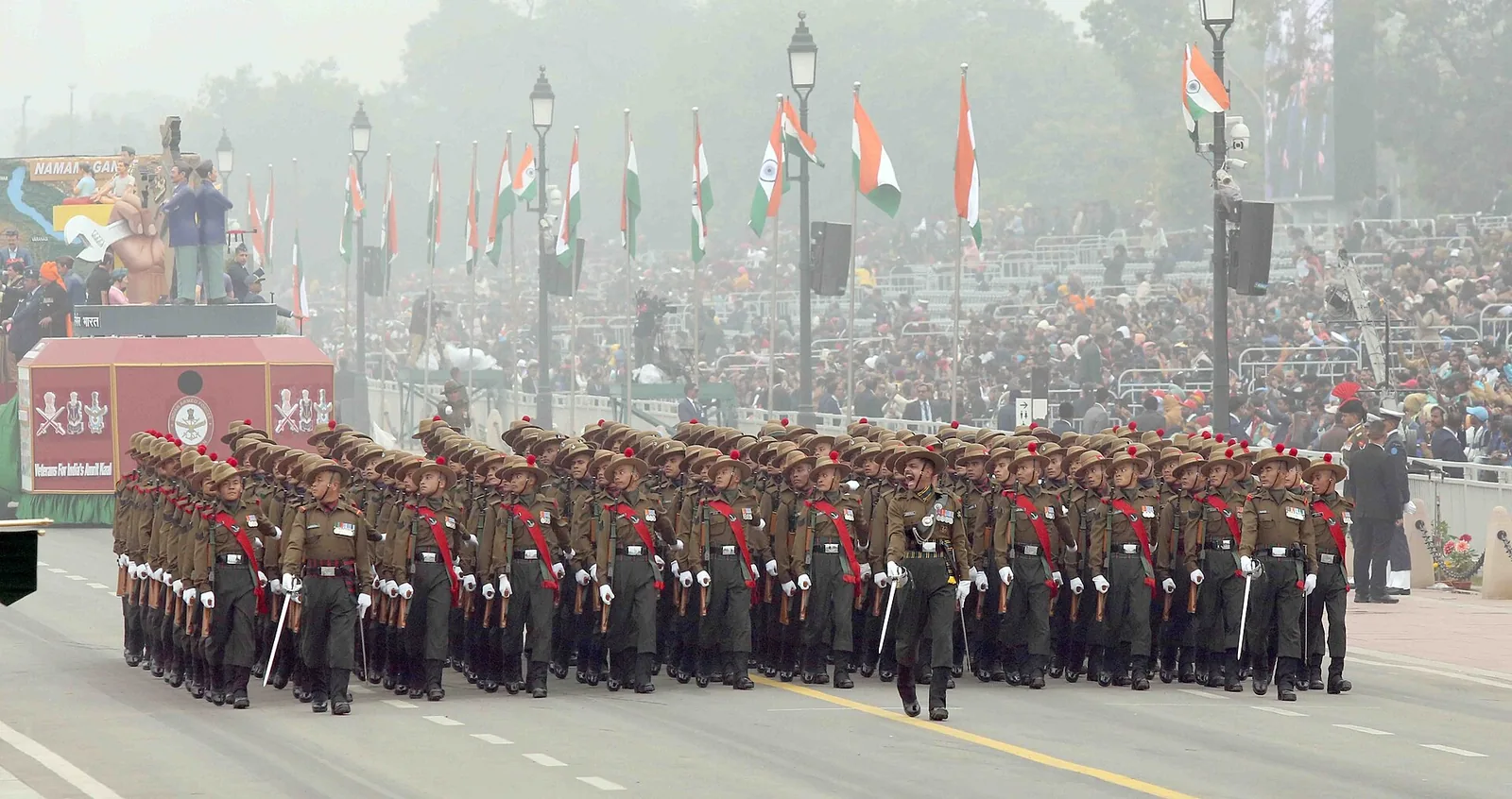
Agniveer tenure: old and new terms side by side
Here is how the Agnipath scheme changes for a soldier in the first batch, based only on what the CDS and the Defence Minister said on 4 November, as carried by the reports read.
| Term | Before 4 November 2026 | After the Cabinet decision |
|---|---|---|
| First engagement | 4 years | 4 years (unchanged) |
| Kept in regular service after 4 years | Up to 25% of each batch, on merit | Up to 25%, on merit (unchanged) |
| The other 75% | Leave after 4 years | Offered 2 more years, with consent: up to 6 years in all |
| Pay in years 5 and 6 | Not applicable | Higher than current pay (amount not given) |
| Exit package | Seva Nidhi on leaving | Enhanced Seva Nidhi for those leaving after 6 years (amount not given) |
| Route to regular service | Only the 25% | All willing Agniveers who meet selection criteria after the extra 2 years |
The CDS stressed that the scheme itself is not being scrapped. “The Agnipath scheme has not been discontinued. It will continue,” he said, according to The Week, adding that the first four years stay as they are.
How many in the first Agnipath batch get the offer
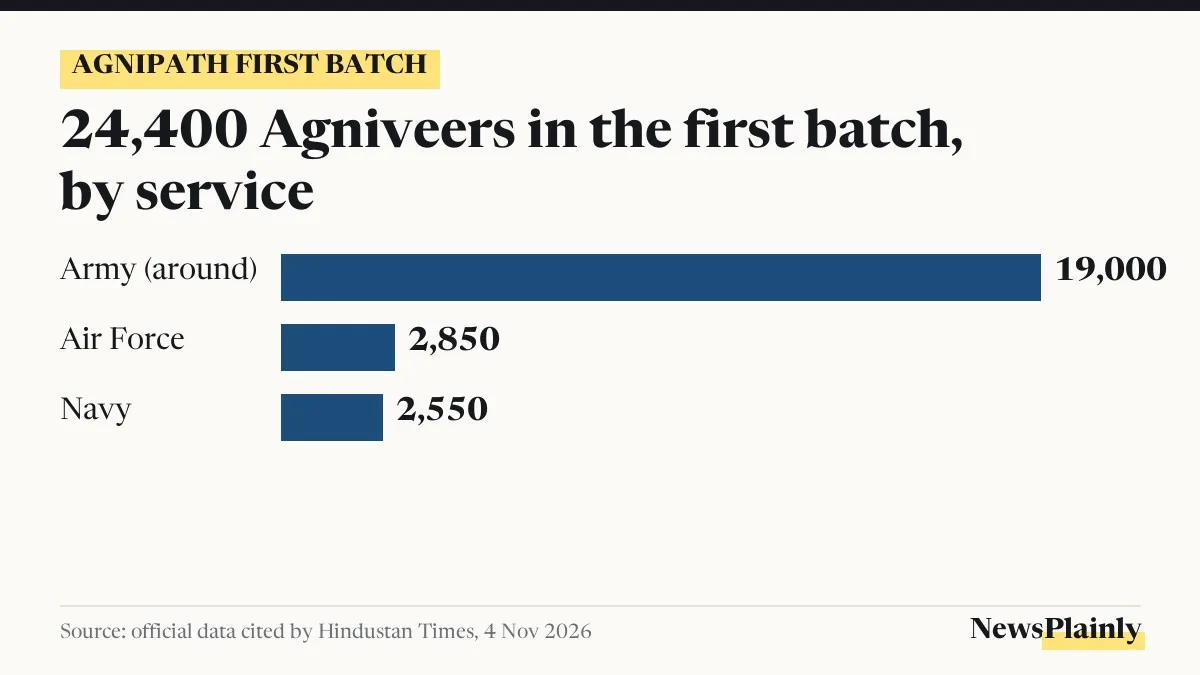
The first round of recruitment brought in 24,400 Agniveers, Hindustan Times reported citing official data: around 19,000 in the army, 2,850 in the Indian Air Force (IAF) and 2,550 in the navy. A quarter of 24,400 is 6,100, which leaves 18,300, the figure several papers gave for those due to exit. The Economic Times and The Week put it at around 18,000.
The air force has already made its pick. Bhaskar reported that last month the IAF decided to keep 712 of its 2,850 first-batch recruits in regular service. By NewsPlainly’s calculation, that is almost exactly 25%, and it leaves 2,138 recruits who now fall under the new offer.
Applying the same 25% rule to the other two services gives a rough idea of the rest: about 14,250 in the army and about 1,900 in the navy. These are NewsPlainly’s estimates from the reported batch sizes, not official counts.
Why the forces asked for a second tour of duty
Gen Subramani said the decision followed continuous evaluation of Agniveers over four years. The Week reported him saying a centralised database tracked every Agniveer across the three services, performance was reviewed each year, and the forces then recommended the Agniveer extension to the government. He said talks on it had gone on for three to four months.
He also said the scheme was never meant to be fixed. When it was launched on 14 June 2022, it was stated that it would be reviewed from time to time, The Week reported. Indian Express reported that the services had been discussing a sharp rise in the retention share with the Department of Military Affairs, with several communications on the subject.
The Agnipath scheme recruits young people aged 17.5 to 23 for short-term service below officer rank, The Hindu noted. Its shorter tenure and reduced service benefits made it a political flashpoint when it was introduced, Hindustan Times noted. About 3 lakh Agniveers are now serving, The Hindu reported.
The CDS also announced a change for future applicants, The Economic Times reported: the written examination will now come before the physical test, reversing the earlier order.
When the Agniveer extension starts and what is still unclear
For the first batch, timing is everything. Hindustan Times and Bhaskar reported that the services had planned to release the outgoing 75% in phases from mid-November. Indian Express said the navy’s first batch completes four years this month, and other batches follow.
The reports read did not give a date from which the second tour of duty takes effect, the new salary, the size of the enhanced Seva Nidhi, or how many regular posts will be open after the six years. Those details would come from the forces’ orders on the scheme. For more national news, see the NewsPlainly India section, and for the full briefing as reported, read Hindustan Times’ report on the CDS announcement.
Frequently asked questions
Is the Agniveer tenure now six years for everyone?
No. The first engagement is still four years. Up to 25% are kept in regular service as before; the other 75% are offered two more years, which they can accept or decline, taking the total to six.
Will all Agniveers become permanent soldiers?
Not automatically. The CDS said all willing Agniveers will be enrolled after the extra two years subject to objective selection criteria, which The Tribune reported include physical fitness and performance.
Has the Agnipath scheme been scrapped?
No. Gen N.S. Raja Subramani said the scheme has not been discontinued and the first four years continue as before, The Week reported.
Who approved the Agniveer extension?
The Union Cabinet chaired by Prime Minister Narendra Modi approved it on 4 November 2026, Defence Minister Rajnath Singh said on X. The CDS announced the details at a media briefing.