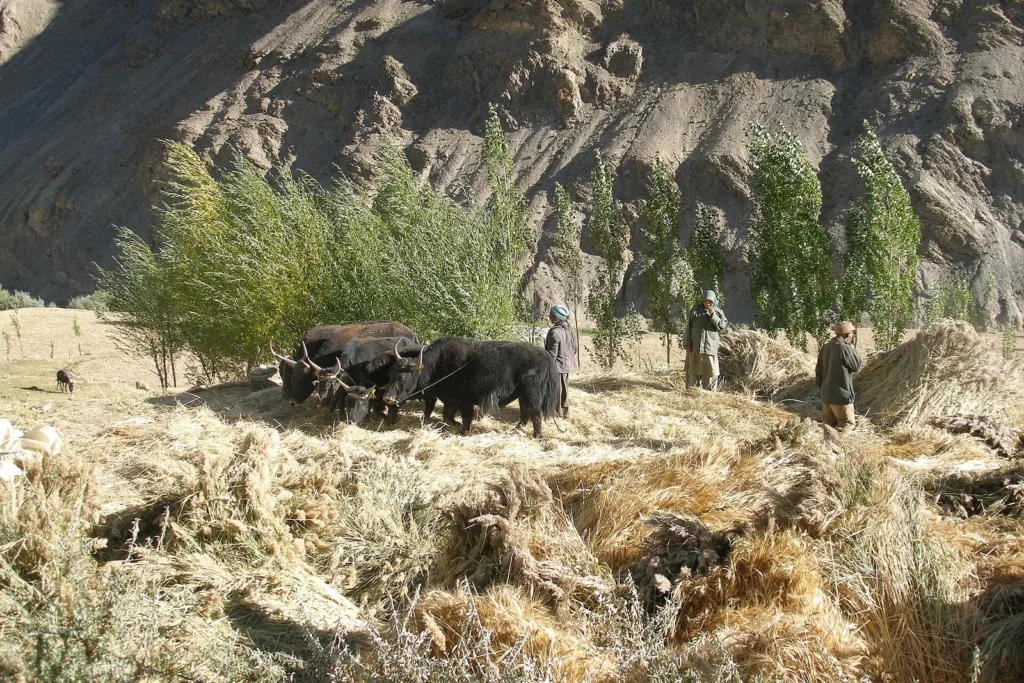
Representative image. Vyacheslav Argenberg, CC BY 4.0, Wikimedia Commons

Why it matters
Farmers in Ladakh can no longer buy or use chemical fertilisers, and the organic tag is meant to earn them better prices for their crops. How well the switch works, from yields to manure supply to buyers paying more, will matter to other states weighing similar bans.
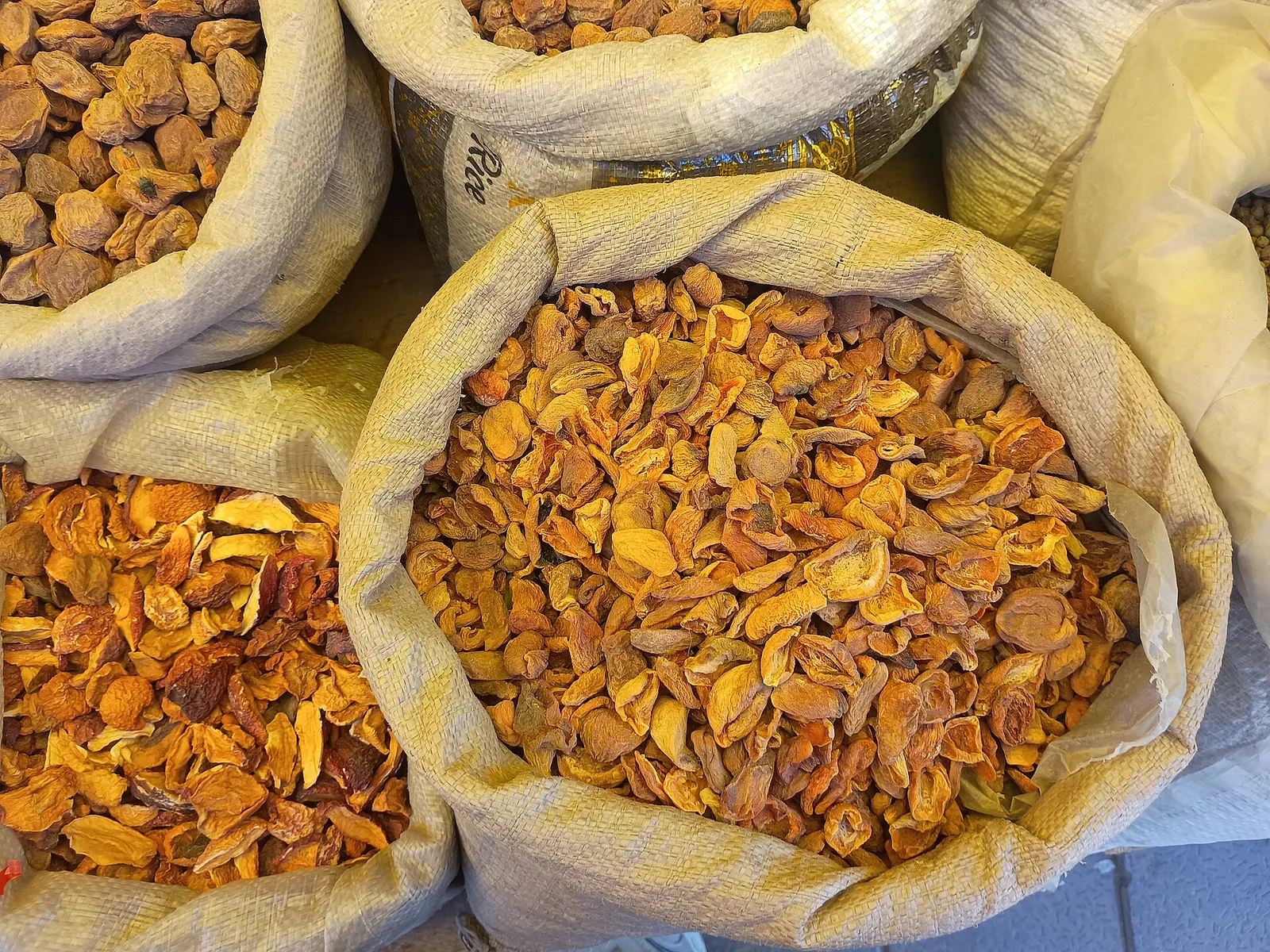
Ladakh is now India’s first fully organic Union Territory, Lieutenant Governor (LG) V.K. Saxena announced on Sunday, 25 October 2026. The Ladakh organic declaration comes about three months after the LG ordered a complete ban on chemical and synthetic fertilisers across the territory in July. Farmers in Leh and Kargil grow barley, buckwheat, apricots, sea buckthorn and vegetables at some of the highest farmed altitudes in the country.
What the LG said about Ladakh’s organic status
Saxena called the moment one of immense pride for Ladakh and the country, and said the region’s farmers had shown that chemical-free farming can work in very hard terrain, according to a statement reported by the Press Trust of India (PTI) news agency and carried by Business Standard and ETV Bharat. He said the status was a commitment to protect the fragile Himalayan ecosystem and traditional farming, not just a milestone.
In a post on X, quoted by Greater Kashmir, the LG linked the step to Prime Minister Narendra Modi’s push for chemical-free farming and said the fertiliser ban and continued work on organic certification would improve soil and water health and raise the value of local produce. A spokesperson for Lok Bhavan, the LG’s office, said the change should help farmers sell apricots, sea buckthorn, buckwheat, barley and vegetables at better prices through certification, branding and better post-harvest handling.
Sunday’s statements did not say whether the chemical fertiliser ban has been fully enforced, and did not give a figure for how many villages or hectares are now certified organic, or name the agency that certified them.
How the chemical fertiliser ban works
The legal basis for the claim is the order of 18 July 2026. According to the Ladakh administration’s release, it bans the procurement, distribution, sale, marketing and use of chemical or synthetic fertilisers for farming anywhere in the Union Territory, with immediate effect. Breaking the order attracts a minimum fine of ₹10,000.
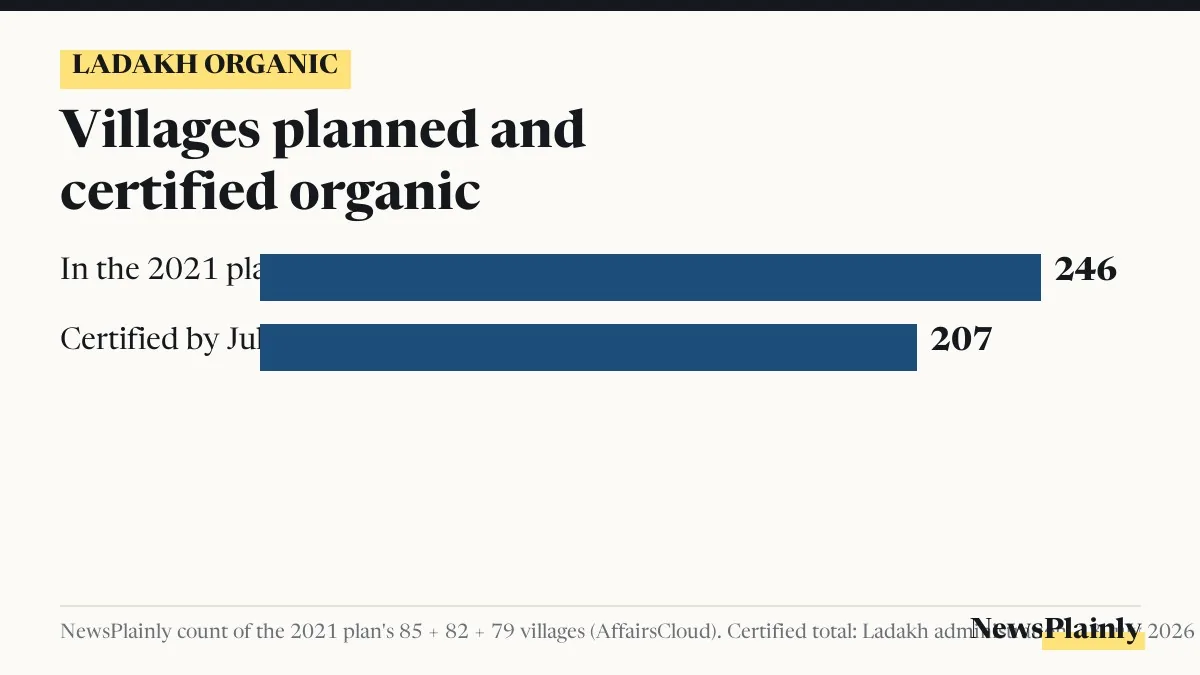
The order gives its aims as protecting organic certification, soil and water, and making Ladakh a model organic region. Farmers were told to use only organic inputs made on or off the farm, such as compost and manure. The Agriculture Department is the nodal department for enforcing it, and the Horticulture, Cooperatives and Rural Development departments were asked to help farmers through awareness and training programmes and a better supply of organic inputs. The same release said 207 revenue villages, the smallest unit in land records, had organic certification by July.
Ladakh organic farming: from the 2021 plan to 2026
The territory has been working towards this for several years. NewsPlainly has put the main steps together from official releases and earlier reports.
| When | Step |
|---|---|
| 14 July 2021 | Memorandum of understanding (MoU) with the Sikkim State Organic Certification Agency (SSOCA) under PKVY and the Mission Organic Development Initiative; goal: certified organic UT by 2025, in 3 phases of 85, 82 and 79 villages |
| Before July 2026 | 102 more villages in Kargil, Dras, Zanskar and Sham certified, taking the total to 207 |
| 16 March 2026 | Kargil starts organic fertiliser distribution; 20% urea supply allowed for now |
| 18 July 2026 | Full ban on chemical fertilisers, minimum fine ₹10,000 |
| 25 October 2026 | LG declares Ladakh India’s first 100% organic UT |
The 2021 plan, signed with Sikkim’s certifying agency under the Centre’s Paramparagat Krishi Vikas Yojana (PKVY), the central scheme that pays farmer clusters to switch to organic farming, aimed to cover 5,000 hectares in its first phase and 10,000 hectares in its second. By NewsPlainly’s count, the three phases added up to 246 villages, against the 207 certified that the administration reported in July. Under PKVY, clusters of 50 or more farmers get financial help for inputs and certification.
What coverage of the organic certification left out
One detail from earlier this year shows how quick the switch has been. At the March launch of organic fertiliser distribution in Kargil, the chairman of the Kargil hill council, Dr Mohd Jaffer Akhoon, said an abrupt move away from chemical fertilisers such as urea was not immediately feasible, according to a release on the Ladakh government website. He directed that at least 20% of urea distribution could continue for the time being while use was cut back gradually.
Four months later the July order banned all chemical fertilisers outright. The administration has not said publicly how farmers who relied on that urea supply were helped through this year’s crop season, or how the ban is being checked on the ground. Sikkim, the first state to go fully organic, also reached that status by banning the sale and use of chemical fertilisers and pesticides; its policy won a gold Future Policy Award backed by the UN Food and Agriculture Organization (FAO) in 2018.
What the organic tag could mean for Ladakh’s farmers
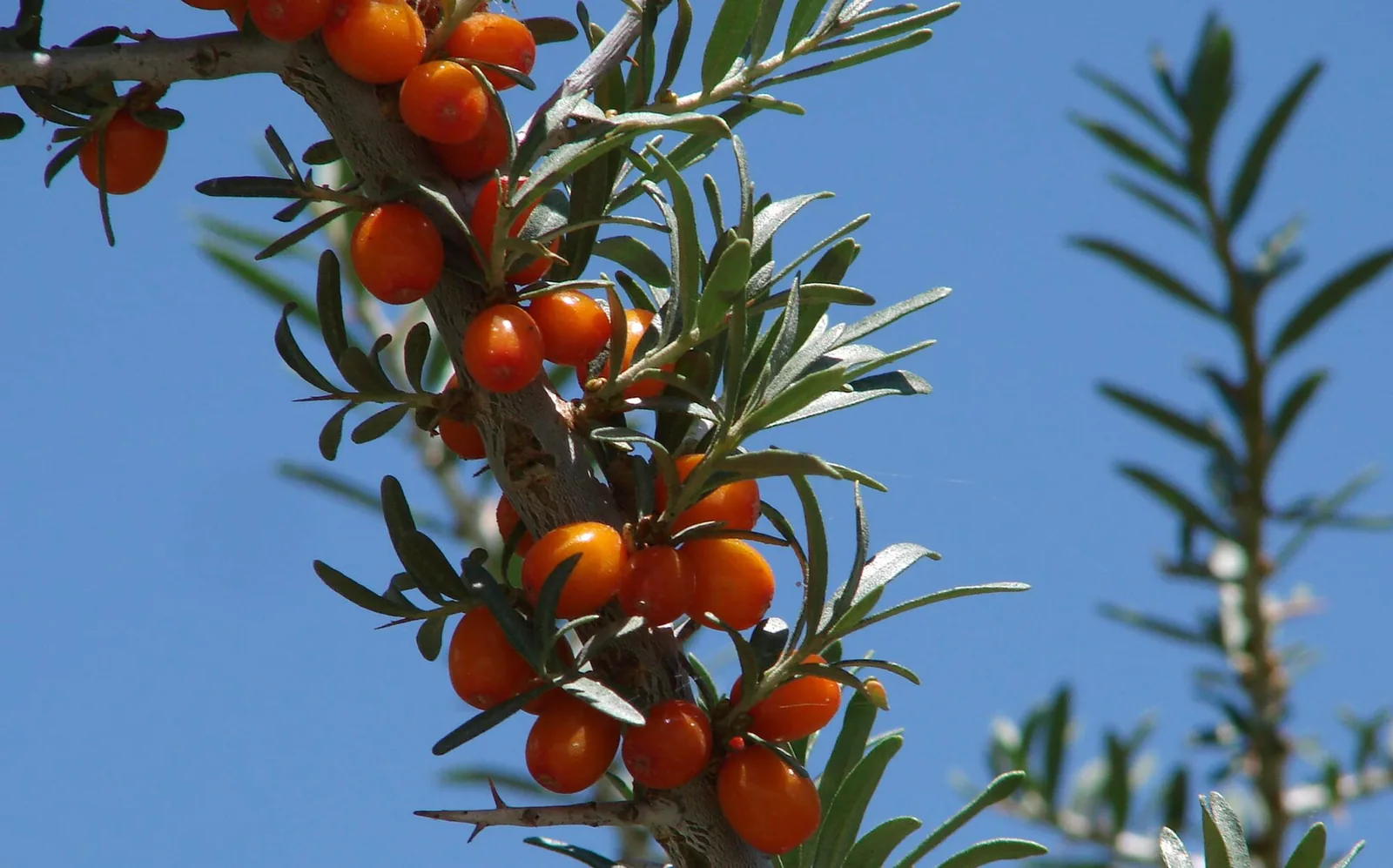
The administration’s case for the Ladakh organic label is about price. Organic produce with a trusted certificate can sell for more in cities and abroad, and Ladakh’s apricots and sea buckthorn already have a following. The LG said the goal was better market access and price realisation for farmers, not the label alone.
The administration also points to cleaner soil and water as a gain from organic farming. The open questions are practical: whether yields hold up without urea in a short growing season, whether enough organic manure reaches every village, and whether buyers pay the premium the administration expects. The next harvest and the first sales under the new status will give the first answers, along with any data the administration releases on how far organic certification now reaches across Leh and Kargil. For another farm policy story, read our report on India’s farmer ID count crossing 11 crore.
Frequently asked questions
Is Ladakh fully organic now?
The LG declared Ladakh India's first 100% organic Union Territory on 25 October 2026. The administration has not published how many villages or hectares are certified.
Are chemical fertilisers banned in Ladakh?
Yes. An order of 18 July 2026 bans their procurement, sale, marketing and use for farming, with a minimum fine of ₹10,000.
Which was India's first fully organic state?
Sikkim. It reached the status by banning chemical fertilisers and pesticides, and its policy won an FAO-backed Future Policy gold award in 2018.