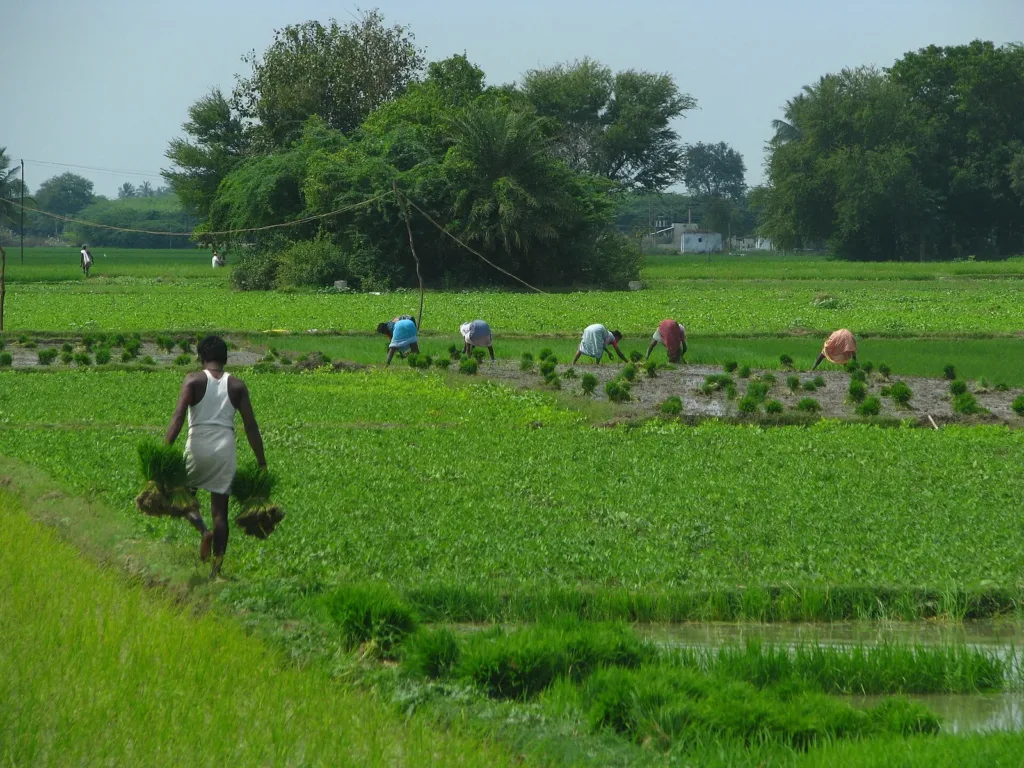
Representative image. mckaysavage, CC BY 2.0, Wikimedia Commons

Why it matters
The farmer ID is becoming the gateway to farm money from the government: PM-KISAN, crop loans, insurance claims, disaster relief and MSP sales. Farmers who do not have one may find it harder to get these benefits, and those who farm land they do not own depend on how well states register them.
India has issued 11 crore farmer ID cards under AgriStack, the government’s digital farm database, about five months before the 31 March 2027 deadline. Union Agriculture Minister Shivraj Singh Chouhan announced the figure in a video message on 24 October 2026, saying the count was reached on the night of 23 October.
The farmer ID, also called the Kisan Pehchaan Patra, is an 11-digit number that links a farmer’s Aadhaar identity to the land records the state holds for them. The government says it will become the one document a farmer needs for crop loans, crop insurance, disaster relief and selling produce at the minimum support price (MSP), the price at which the government buys certain crops.
What the Agriculture Ministry announced
According to the ministry’s release on the Press Information Bureau (PIB) website, the IDs were created under the Digital Agriculture Mission, which the Union Cabinet approved on 2 September 2024. Prime Minister Narendra Modi had set 31 March 2027 as the date to reach 11 crore. The release says more than 6 crore farmers have already received benefits from various schemes through delivery based on the farmer ID.
Chouhan described it as a historic day for Indian agriculture. Farmers would no longer have to hand in “piles of paperwork” again and again, he said, according to the PTI news agency. The release lists four main uses:
- Bank loans and Kisan Credit Card (KCC): easier crop loans without repeated document checks.
- Pradhan Mantri Fasal Bima Yojana (PMFBY), the crop insurance scheme: claims assessed and paid straight into the farmer’s account.
- Disaster relief: money reaching eligible farmers faster.
- MSP procurement: the ministry says the right farmer will get the full price without middlemen.
The release also says states and Union Territories are taking special steps, under their rules, to bring sharecroppers and other farmers who till land they do not own onto the system.
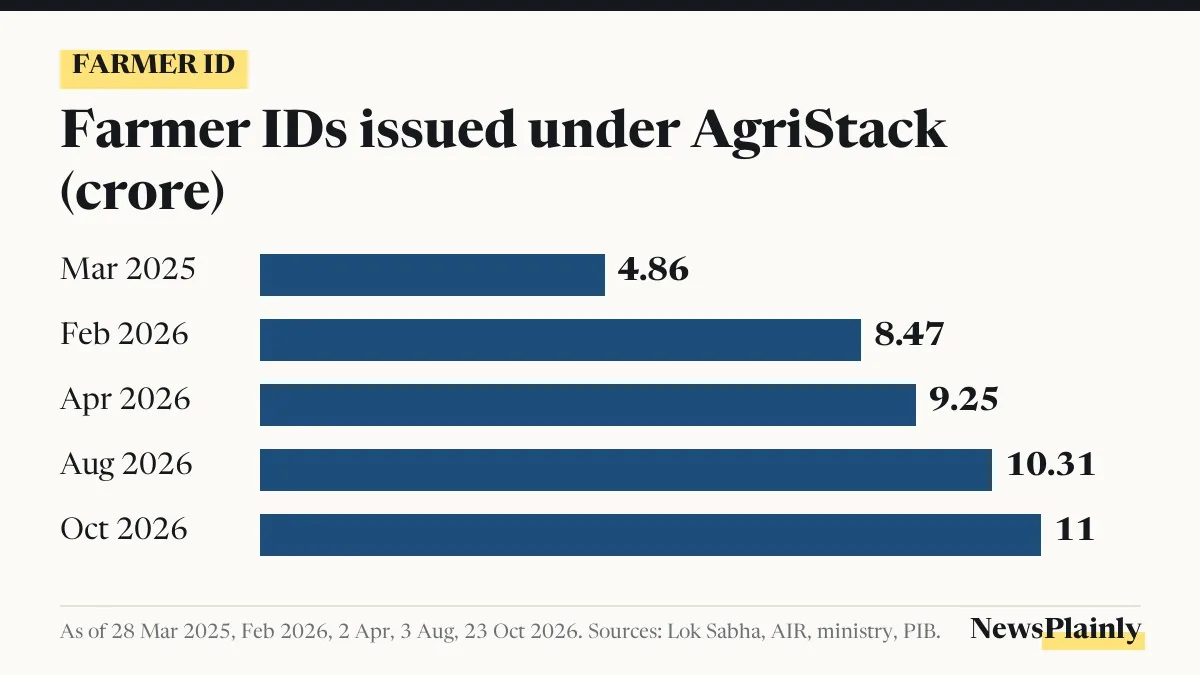
How the farmer ID count grew: 4.86 crore to 11 crore
The 11 crore mark did not come in one jump. NewsPlainly put together the official counts given at different points, from a Parliament answer, All India Radio (AIR) reports and ministry figures.
| As of | Farmer IDs | Source |
|---|---|---|
| 28 March 2025 | 4.86 crore | Parliament answer |
| February 2026 | 8.47 crore | AIR, quoting the minister |
| 2 April 2026 | 9.25 crore (19 states) | AIR, quoting the minister |
| 3 August 2026 | 10.31 crore | Agriculture Ministry |
| Night of 23 October 2026 | 11 crore | PIB release |
By NewsPlainly’s calculation from these figures, about 69 lakh IDs were added between 3 August and 23 October, roughly 81 days, or close to 85,000 a day. Since March 2025, about 6.14 crore farmers have been added in a little under 19 months.
The original plan, set out in a PIB backgrounder when the mission was approved, spread the target over three years: 6 crore IDs in 2024-25, 3 crore in 2025-26 and 2 crore in 2026-27. The first year fell short of its share, and the pace picked up in 2026.
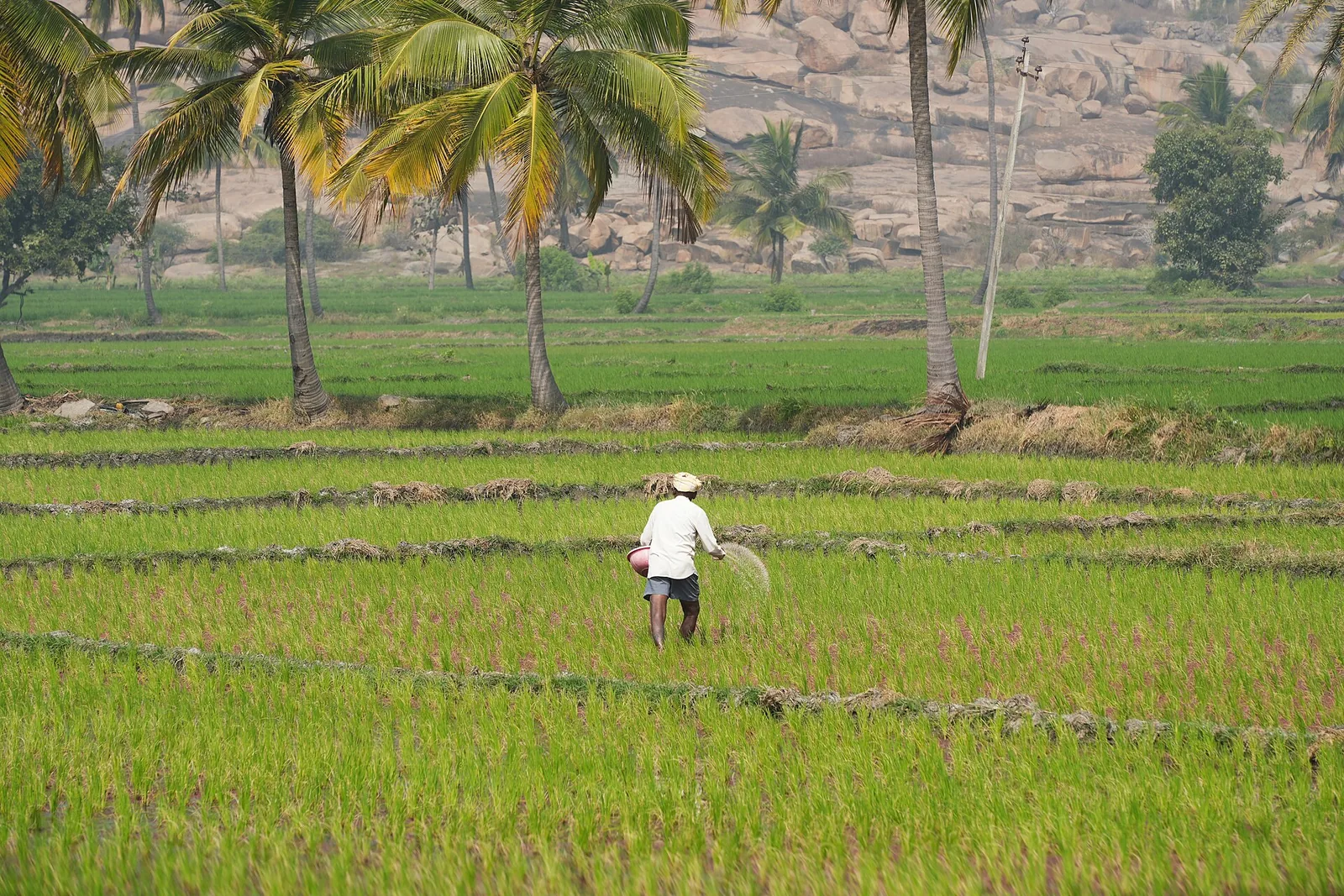
What AgriStack and the Digital Agriculture Mission are
The Digital Agriculture Mission has an outlay of ₹2,817 crore, of which the Centre’s share is ₹1,940 crore, according to the Cabinet decision of September 2024. AgriStack is one of its main parts. It has three registries: the farmer registry (the farmer IDs), a crop sown registry built from a digital crop survey of each plot, and maps of every village plot tied to land records.
The registries are run by states, which keep ownership of their data, according to the ministry. The government says the system is designed to follow the Digital Personal Data Protection Act, 2023, and that farmers control what is shared and with whom.
Uttar Pradesh, Maharashtra and Madhya Pradesh had the largest numbers of IDs in earlier state-wise figures given to Parliament. Chouhan said this week that Madhya Pradesh alone has more than 1 crore farmers with an ID, a Hindi news agency report said.
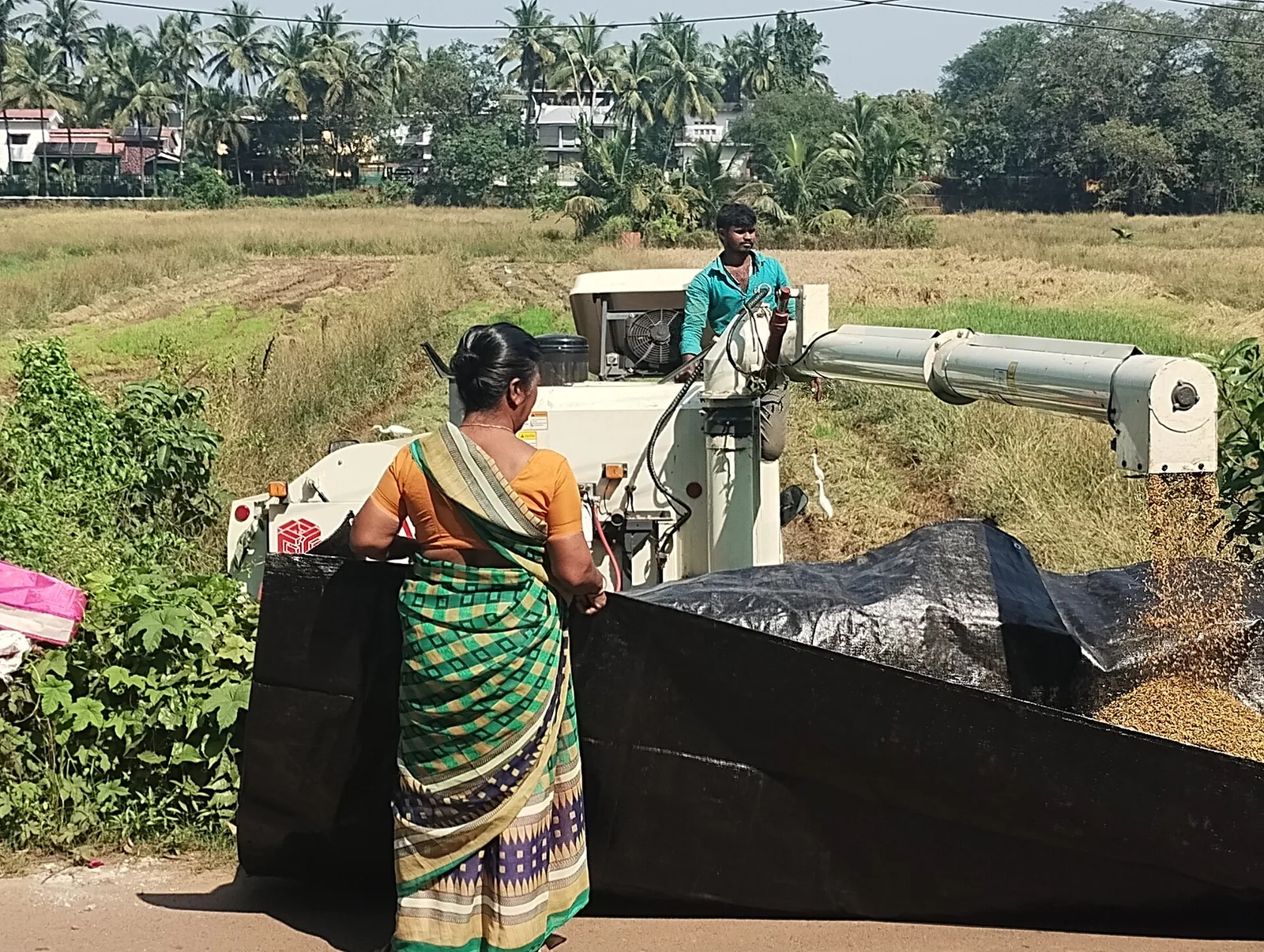
Who needs a farmer ID and how to get one
For PM-KISAN, the scheme that pays eligible farmers ₹6,000 a year in three instalments, the farmer ID has been required for new registrations since 1 January 2025. By August 2025 that rule applied in 14 states, Minister of State Ramnath Thakur told the Lok Sabha, AIR reported. Farmers already on the scheme in other states should check their state’s rules, since the requirement has spread state by state.
Registration happens through state AgriStack portals (Uttar Pradesh, for example, uses upfr.agristack.gov.in), at village camps run by the agriculture or revenue department and at Common Service Centres (CSCs), the government’s village service kiosks. A farmer needs Aadhaar, verified by OTP or biometrics, and the details of land recorded in their name, which the system matches with the state’s land records.
What critics have raised about the farmer registry
Because the farmer ID is tied to land records, farm rights groups have long warned that it can leave out people who farm but do not own land. When AgriStack was first proposed in 2021, activists and researchers told Down To Earth that tenants, sharecroppers, labourers and women whose land is held in a male relative’s name could be excluded, and the Internet Freedom Foundation raised privacy concerns about linking Aadhaar to farm data. Adivasi and tenant farmers in Andhra Pradesh have made a similar complaint, The News Minute reported.
The ministry’s answer, in Saturday’s release, is the special drive by states to register sharecroppers and actual cultivators. It has not given a figure for how many of the 11 crore IDs belong to tenant farmers.
The same land-linked data matters for other ideas being discussed for farm support. This week the Indian Council for Research on International Economic Relations (ICRIER), a Delhi think tank, proposed paying fertiliser subsidy as cash per hectare, which would need each farmer’s land to be known; NewsPlainly explained that fertiliser subsidy proposal here.
Frequently asked questions
What is a farmer ID?
It is an 11-digit number, also called the Kisan Pehchaan Patra, issued under AgriStack. It links a farmer's Aadhaar to the land records the state holds for them.
Is a farmer ID needed for PM-KISAN?
Yes for new registrations since 1 January 2025 in the states where the rule applies; it covered 14 states by August 2025, according to the government.
How can a farmer get a farmer ID?
Through the state's AgriStack portal, a village registration camp or a Common Service Centre, with Aadhaar and land record details.
Can tenant farmers get a farmer ID?
The ministry says states are taking special steps under their rules to register sharecroppers and actual cultivators, but it has not given figures.