
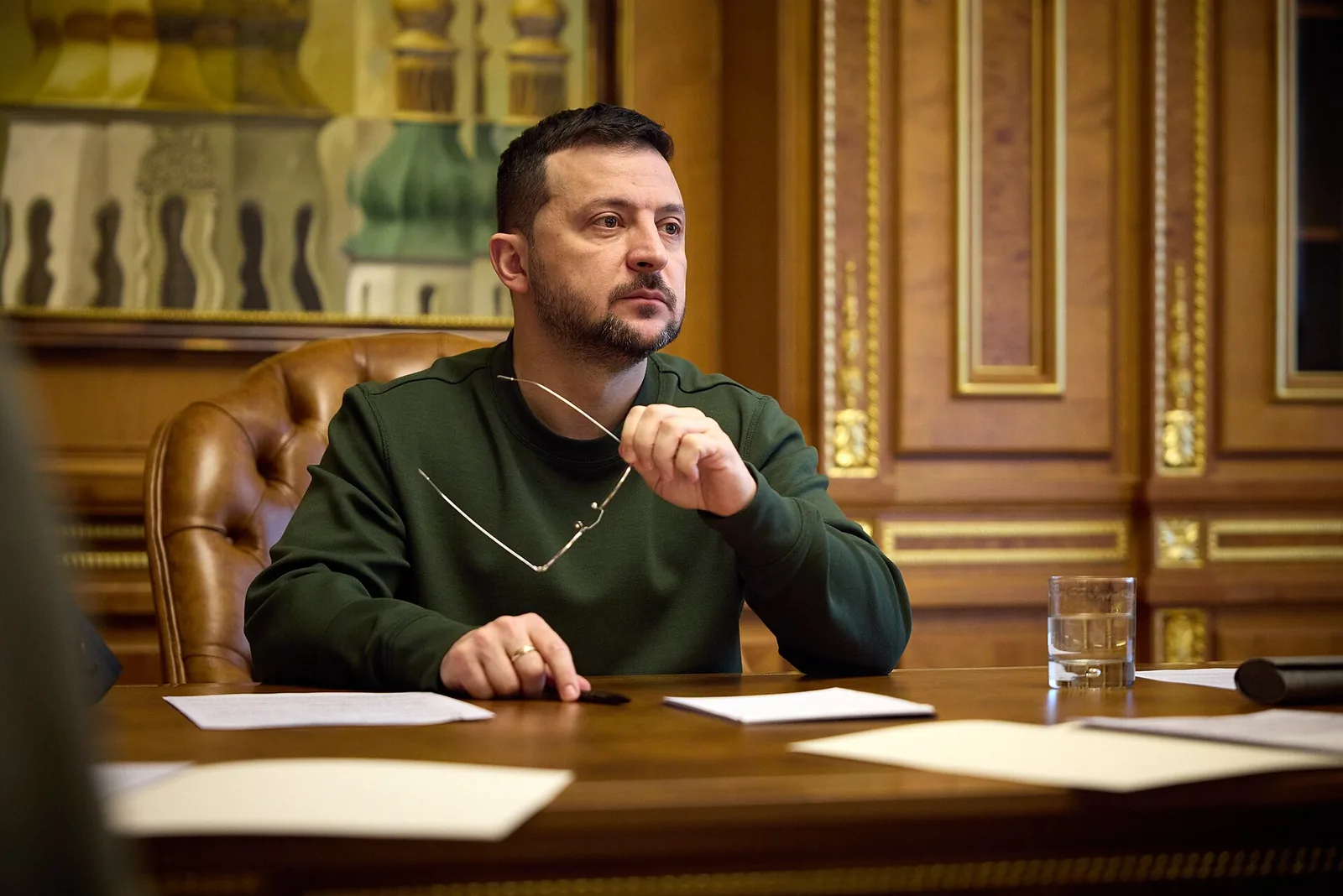
Representative image. File photo, Kyiv, 23 August 2024. Prime Minister's Office, GODL-India, Wikimedia Commons

Why it matters
The discussion connects India’s diplomatic role to Ukraine’s food-export concerns. The accounts do not establish a reopened route or quantify an effect on Indian food prices.
The Modi Zelenskyy call on 9 November 2026 brought India’s peace efforts and Ukraine’s food-export concerns into the same conversation. Prime Minister Narendra Modi offered India’s support for a peaceful resolution of the war, while Ukrainian President Volodymyr Zelenskyy said they had discussed possible Indian help with food corridors through the Black Sea.
The two accounts have different scopes. India’s official statement describes support for diplomacy and closer bilateral ties. The more specific account of food corridors comes from Zelenskyy’s remarks, as reported by India Today. Neither account establishes that a new shipping arrangement is already operating.
What the Modi Zelenskyy call established
The Prime Minister’s Office (PMO) statement, released at 6.59 pm on 9 November, confirms that the leaders spoke by telephone that day. It says Zelenskyy explained his assessment of recent developments in the conflict and that the leaders discussed cooperation between their countries.
Modi repeated India’s position that negotiations and diplomacy should resolve the conflict and offered a contribution to peace efforts. This is a statement of diplomatic willingness. The release does not set out the terms of a settlement, a ceasefire timetable or an agreed role for India in a particular negotiating format.
India Today also reported Modi’s separate public account of the conversation. He said the leaders reviewed bilateral cooperation and the humanitarian aspects of the war. The distinction matters: discussing assistance and humanitarian concerns is an activity the leaders can confirm, while reaching an agreement requires a further, specific outcome.
Why Zelenskyy raised food corridors
According to India Today’s report, Zelenskyy said he briefed Modi on diplomatic preparations for an upcoming meeting in Abu Dhabi. He described Ukraine’s approach as constructive and said Russia should show a willingness to reduce tensions. Those are the Ukrainian President’s positions, rather than an agreed statement by all sides.
Zelenskyy also linked the discussion to food security, saying blocked maritime routes were hurting grain exports and the wider global economy. In that account, he said India was ready to help mediate the establishment of food corridors and that the two countries’ teams would remain in contact.
Food corridors in this discussion mean routes that would allow food cargo to move by sea. Zelenskyy’s account concerns efforts to make such movement possible; it is not evidence that a blockade has ended or that vessels have obtained new safety guarantees. India Today’s report does not supply the operating terms of a new corridor.
Three different stages, compared plainly
A phone conversation, an offer to assist and a working shipping arrangement are separate developments. The table keeps the evidence for each part of the discussion visible, without treating a leader’s account of a proposal as a completed result.
| Issue | What the available account says | Status |
|---|---|---|
| Leaders’ conversation | India’s PMO confirms a telephone call on 9 November | Completed diplomatic contact |
| India’s peace contribution | Modi offered support for peaceful resolution | Stated willingness |
| Food corridors | Zelenskyy described potential Indian mediation, according to India Today | Attributed diplomatic discussion |
For readers in India, this is the specific connection to the war: New Delhi’s diplomatic contacts are being discussed as a possible contribution to moving food cargo. The available accounts do not quantify an effect on Indian food prices or promise a change in supplies.
The earlier appeals behind this conversation
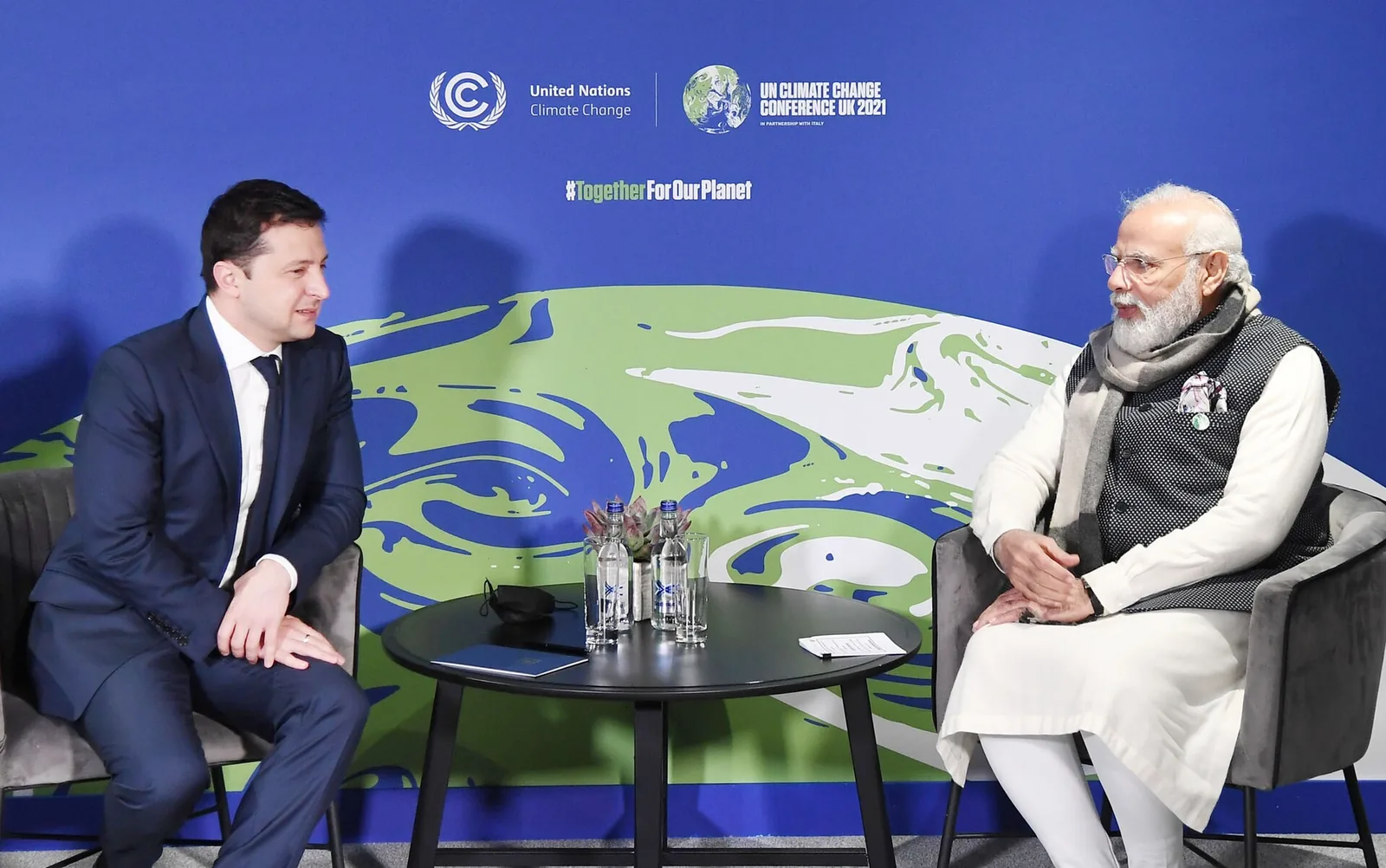
The call follows earlier public statements about India’s possible contribution. India Today and The New Indian Express, with Press Trust of India (PTI) inputs, reported that Zelenskyy had sought India’s involvement in August. That earlier appeal is context for the new telephone conversation, rather than a second announcement made on 9 November.
In October, Russian President Vladimir Putin said Modi had raised ending the conflict during their meetings and had ideas about a settlement, the same reports said. They also carried Kremlin spokesperson Dmitry Peskov’s acknowledgment of India’s willingness to contribute. Those October remarks are not presented here as Russia’s response to the latest food-corridor discussion.
The next step described in Zelenskyy’s account is continued contact between the teams. The Indian release gives no deadline for a further announcement. More world coverage from NewsPlainly follows the distinction between diplomatic proposals and confirmed changes on the ground.
Frequently asked questions
Was a new Black Sea shipping deal announced?
The accounts reviewed describe diplomatic discussions and willingness to help. They do not establish an operating new shipping arrangement.
When did Modi and Zelenskyy speak?
India’s PMO confirms the telephone conversation took place on 9 November 2026. Its release was issued at 6.59 pm IST.