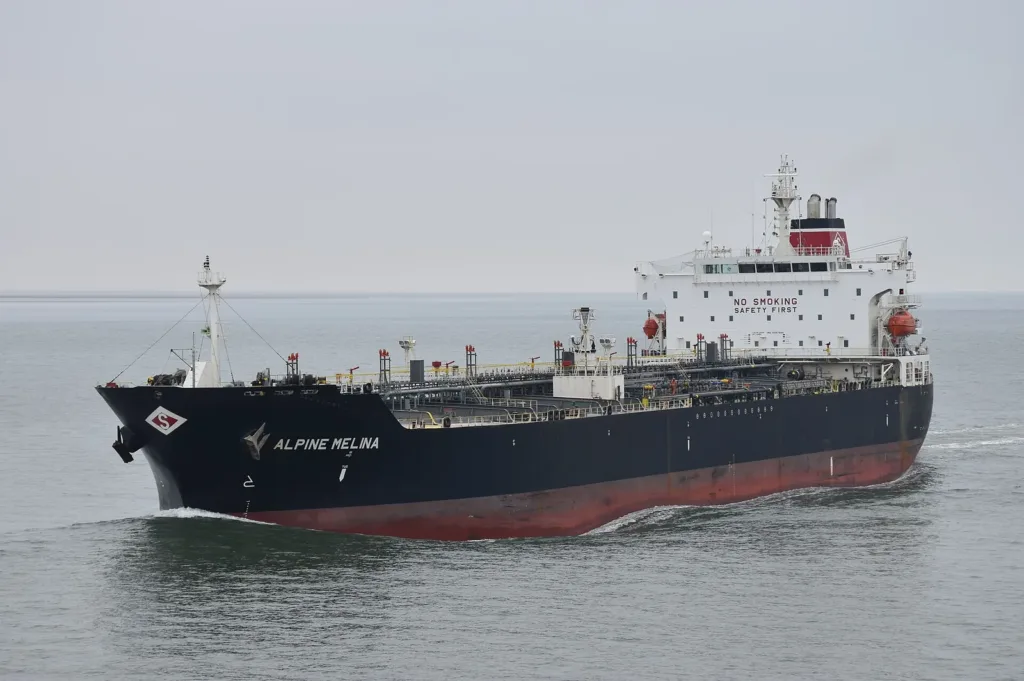
Representative image. Niels Johannes, CC BY-SA 4.0, Wikimedia Commons

Why it matters
Indian seafarers have been on board at least five ships struck since 11 October, and two are still missing. India also imports most of its crude oil, much of it through Hormuz, so attacks there push up oil prices, which can feed into fuel and transport costs at home.
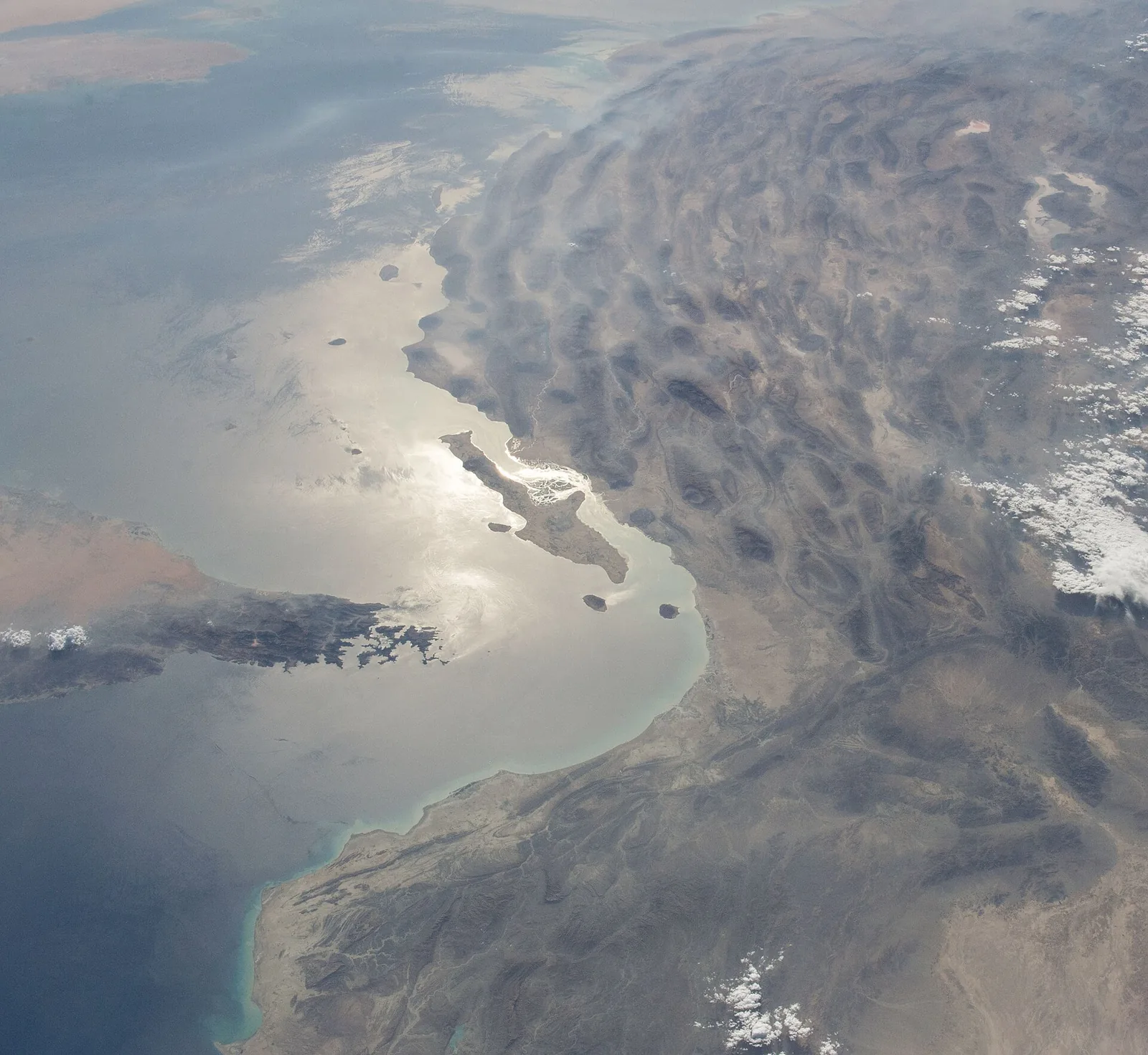
A Hormuz tanker attack on 21 October 2026 put 21 Indian seafarers in danger, but all of them are safe, Shipping Minister Sarbananda Sonowal said. The Kuwait-flagged oil product tanker M/T Al Dasma (M/T, or MT, stands for motor tanker) was hit by what he called an unknown projectile while it was passing through the Strait of Hormuz, the narrow sea lane between Iran and Oman that carries a large share of the world’s oil.
Sonowal, who heads the Ministry of Ports, Shipping and Waterways, gave the news in a post on X. He said the rest of the crew were also safe and that the government was in close contact with the company that manages the ship. He did not say who fired the projectile or what kind of weapon it was.
What happened to the Al Dasma in the Strait of Hormuz
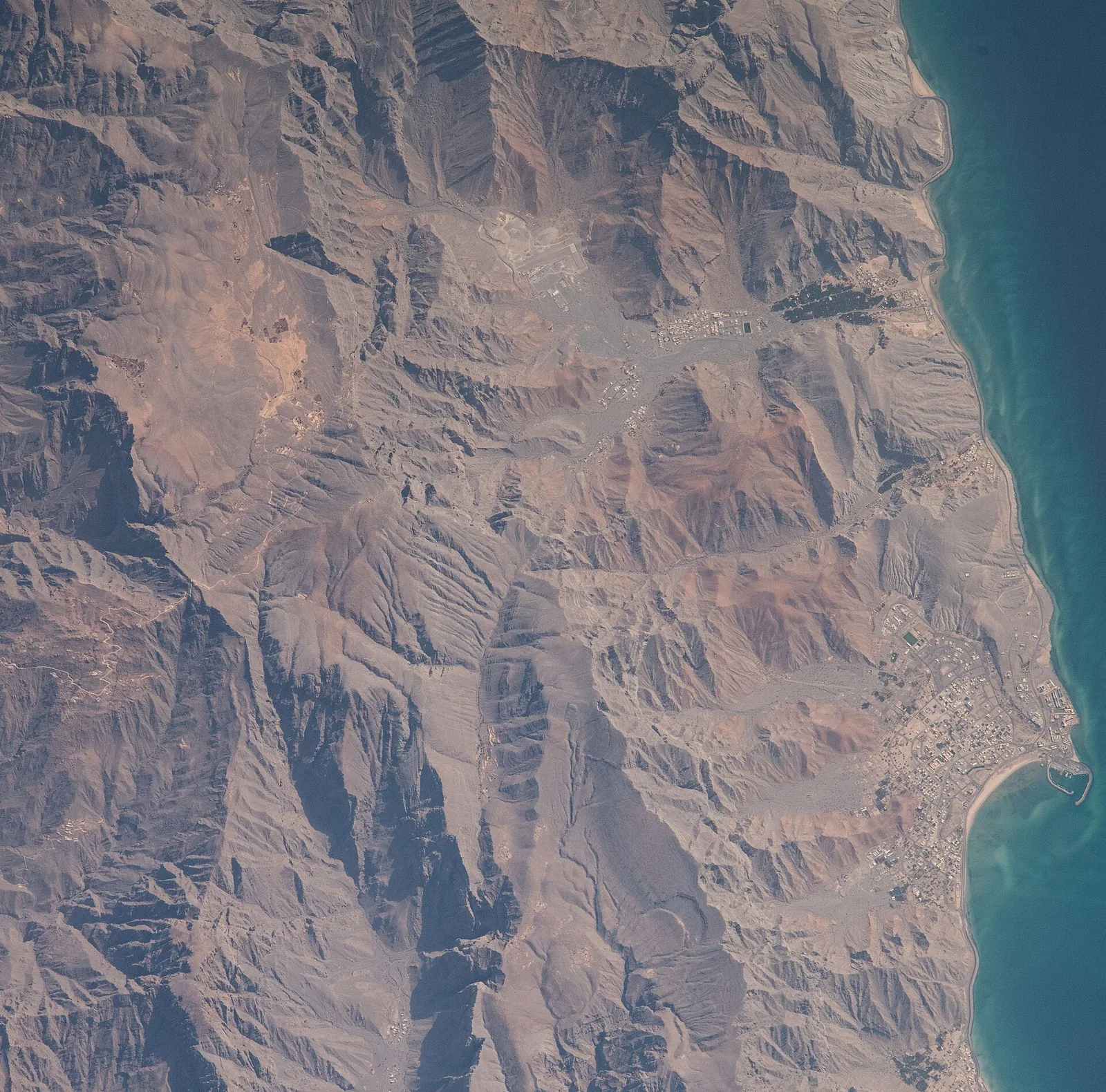
The strike took place about 11 nautical miles west of Bukha, a town on Oman’s Musandam peninsula at the mouth of the strait. That location was given by the United Kingdom Maritime Trade Operations (UKMTO), a British naval office that tracks threats to merchant ships in the region, the Times of India reported.
The hit started a fire on board, which the crew later put out, according to Times Kuwait, a report cited by both the Times of India and ETV Bharat. The tanker then stayed stationary. No injuries have been reported.
An oil product tanker carries refined fuels such as diesel, petrol or jet fuel rather than crude oil. Kuwait is one of the Gulf producers whose cargoes must pass through Hormuz to reach Asia, including India.
In his post, Sonowal said the government was “continuously monitoring the situation”, and was working with the ship manager to keep the seafarers secure. The ministry has not said where the Al Dasma was heading or whether it will continue its voyage.
Fifth ship with Indian seafarers hit this month
The Al Dasma is the latest of several ships with Indian crews to be struck in October, as attacks on commercial shipping continue during the conflict involving Iran, Israel and the United States. Four of the five were in or near the Gulf.
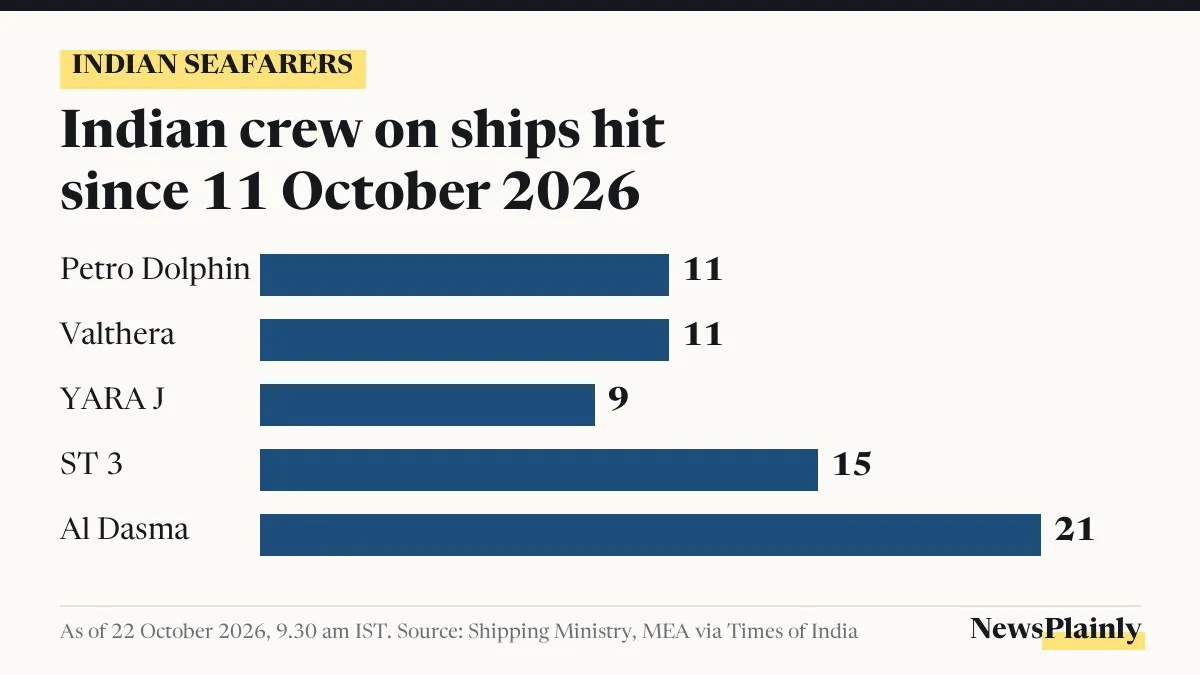
- 11 October: the tanker MT Petro Dolphin, with 11 Indian seafarers, was hit by a drone at Sohar Anchorage off Oman. Nine crew members were rescued and two remained missing, the Times of India reported. The same day the Marshall Islands-flagged MT Valthera was struck by a projectile and caught fire; all 11 Indians on board were safe.
- 14 October: the chemical tanker YARA J, carrying nine Indian seafarers, was hit by a drone at Sulina Anchorage off Romania in the Black Sea.
- 16 October: the crude oil tanker MT ST 3, with 15 Indian seafarers, was hit by a projectile in the Strait of Hormuz. Sonowal said then that all 24 Indians on the ST 3 and the YARA J were safe.
Adding up those reports, at least 67 Indian seafarers have been on ships struck since 11 October. Two of them, from the Petro Dolphin, have not been found.
The danger is not limited to Hormuz itself. At least 18 attacks on shipping took place over the past two weeks, according to data from the ship tracking firm Kpler, Reuters reported. Analysts at LSEG, the London financial data group, warned that tankers were being targeted well beyond the strait, into the Gulf of Oman.
Houthi attacks in Saudi Arabia raise the stakes
The tanker strike came on the same day as a series of attacks inside Saudi Arabia that Reuters attributed to the Houthis, the Iran-aligned rebel movement that controls much of Yemen.
Saudi Arabia’s Civil Aviation Authority said one resident was killed and eight people were injured in an attack late on Wednesday on King Fahd International Airport in Dammam, in the country’s oil-rich east. The airport suffered some damage and flights were diverted, the flight tracking service Flightradar24 said. The Houthis have not commented on that attack.
Separately, Saudi Arabia’s Energy Ministry said debris from an intercepted drone killed two people and injured two others at the Shaybah oil field, which is run by the state oil company Aramco. The two who died were from Nepal and the Philippines. The injured were from Pakistan and India, the ministry said. It did not name the Indian worker.
The United States has ordered some of its diplomats and their families to leave Saudi Arabia because of the attacks, the Associated Press reported, and US officials told Reuters that families would be withdrawn from several other missions in the region.
What the Hormuz tanker attack means for India
For India the risk is twofold: its people and its fuel. Indian sailors have now been on board at least five of the ships hit this month, and India imports most of the crude oil it uses.
Oil prices rose again after the latest attacks. Brent crude, the international benchmark, climbed 1.2% to $110.11 a barrel early on Thursday, Reuters reported. NewsPlainly explained earlier this week why Brent crude above $110 puts India’s petrol and diesel prices at risk. Higher crude prices raise costs for oil marketing companies and, over time, for transport and goods.
India has repeatedly condemned attacks on merchant ships in the region. The Ministry of External Affairs (MEA) has called such attacks “legally and morally indefensible” and asked for the safe and unimpeded flow of trade through international waters, the Times of India reported. In July, India’s maritime regulator, the Directorate General of Maritime Administration (DGMA), urged shipping companies not to place Indian sailors on vessels crossing the Strait of Hormuz, the Deccan Herald reported at the time.
What is still unclear about the Al Dasma
The ministry has not said whether the Al Dasma will be inspected at a nearby port, whether it will finish its voyage or whether the 21 Indians will be brought home. No government or group has said who fired at the ship.
The two missing crew of the Petro Dolphin have not been reported found. With the US pulling staff from Saudi Arabia and attacks reaching beyond Hormuz, shipping firms that hire Indian crews face a hard choice on every Gulf voyage.
Frequently asked questions
Are the Indian crew of the Al Dasma safe?
Yes. Shipping Minister Sarbananda Sonowal said all 21 Indian seafarers and the rest of the crew are safe.
Who attacked the tanker?
No one has said. The minister called it an unknown projectile, and UKMTO has not named an attacker.
How many ships with Indian crew have been hit in October 2026?
At least five: Petro Dolphin and Valthera on 11 October, YARA J on 14 October, ST 3 on 16 October and Al Dasma on 21 October.