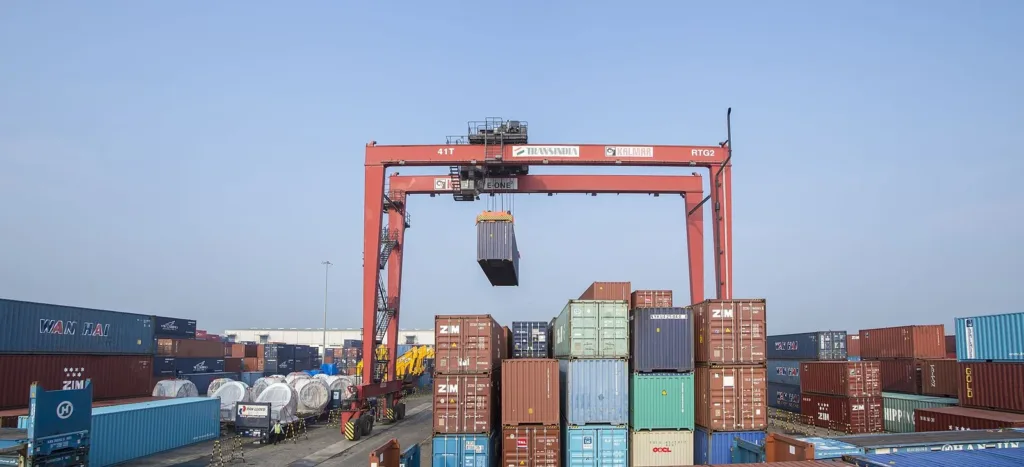
Representative image. Bopaliaq, CC BY-SA 4.0, Wikimedia Commons

Why it matters
The US is one of India's biggest export markets, and a 10% extra duty makes Indian clothes, shoes and machinery dearer for American buyers. How much of that duty the deal removes, compared with rival countries, will affect orders and jobs in export hubs. Until a text is signed, exporters cannot plan on lower duties.
The India US trade deal is close to done, US President Donald Trump told reporters in the Oval Office on 20 October 2026, but he added that it would look different from the trade pacts his government has signed so far. He gave no date and no details. Hours earlier, Secretary of State Marco Rubio, who was in Mumbai, said only a few items were left to settle.
For Indian exporters the India US trade deal matters because their goods still pay an extra US duty, and the shape of the final pact will decide how much of that goes away.
What Trump and Rubio said about the India US trade deal
“They want to make a deal. We’re going to make a deal. Pretty close, yeah,” Trump said, according to Outlook India. He then said it would be “a much different kind of deal” than earlier US agreements, without explaining what he meant.
Rubio spoke after talks with External Affairs Minister S Jaishankar. “I would say we’re about as close as you can be without having an executed agreement,” he told reporters, adding that a small number of items remained and that the two leaders might sign it after that. NewsPlainly covered the energy side of his visit, including the stop at Reliance’s Jamnagar refinery, in our report on Rubio’s India trip.
Indian ministers have sounded just as confident about the India US trade deal. Commerce Minister Piyush Goyal said last week that the deal was almost final and only legal vetting was left, The Times of India reported, though he added that it would be put in place once India’s competitive edge over other exporters was clear. Jaishankar has said both sides are heading towards a landing point, and the US Ambassador to India, Sergio Gor, said at a Bloomberg forum in New Delhi that the big items were done.
The tariff Indian goods pay today
The talks have run for more than a year. In August 2025, Trump put a 50% tariff on Indian goods, half of it a penalty linked to India’s purchases of Russian oil; that penalty was later withdrawn. The two countries announced a framework for the first phase of a bilateral trade agreement in February 2026, Outlook India reported, but later changes in US tariff policy reopened parts of the talks.
Today, Indian exports to the US carry an additional 10% tariff under Section 301 of the US Trade Act, The Times of India reported. Washington imposed it over what it says is India’s failure to stop imports of goods made with forced labour. More than 50 countries face extra duties of 10% to 12.5% under the same law, and a second US investigation, into industrial overcapacity, has not yet concluded.
That is why Goyal keeps linking the India US trade deal to India’s “competitive advantage”. If India ends up paying a lower extra duty than rival exporting countries, an Indian shirt or pair of shoes becomes cheaper on a US shelf than a competitor’s. If every country pays about the same, the deal brings far less.
Why the pact may leave some sectors out
Trump’s remark about a different kind of deal has set officials in New Delhi parsing his words, according to The Times of India. One view in trade circles is that the India US trade deal will not cover every sector. The two sides could sign off on areas where they agree and park the issues that have proved hardest.
The trade-offs are already visible. Indian oil companies signed agreements last year to import US gas, and American firms want India to accept certain technology products. The government is willing to do that, the newspaper reported, if it wins easier US access for Indian textiles, footwear and engineering goods. Earlier this month Goyal met US Trade Representative Jamieson Greer, the official who leads US trade talks, in Milwaukee and Washington to work through the details.
When the India US trade deal could be signed
Neither side has given a date for signing the India US trade deal. Officials in New Delhi expect a clearer picture after the US mid-term elections in the first week of November, The Times of India reported. Trump’s Republican Party has made protection for American business and workers a campaign theme, which may shape how the final text is presented.
Rubio’s comment suggests the remaining gaps are narrow, and a signing by Prime Minister Narendra Modi and Trump would be the formal end of the negotiation. Until the India US trade deal is signed, the 10% extra duty stays, and exporters will be watching both the deal text and the result of the second US probe, which could add or remove duties for many countries at once.
Frequently asked questions
Has the India US trade deal been signed?
No. Trump and Rubio said on 20 October 2026 that it is close, but no date has been announced.
What tariff do Indian goods pay in the US now?
An additional 10% under Section 301 of the US Trade Act, according to The Times of India.
Will the deal cover all sectors?
Not necessarily. Reports say the two sides may sign on areas where they agree and leave the hardest issues for later.