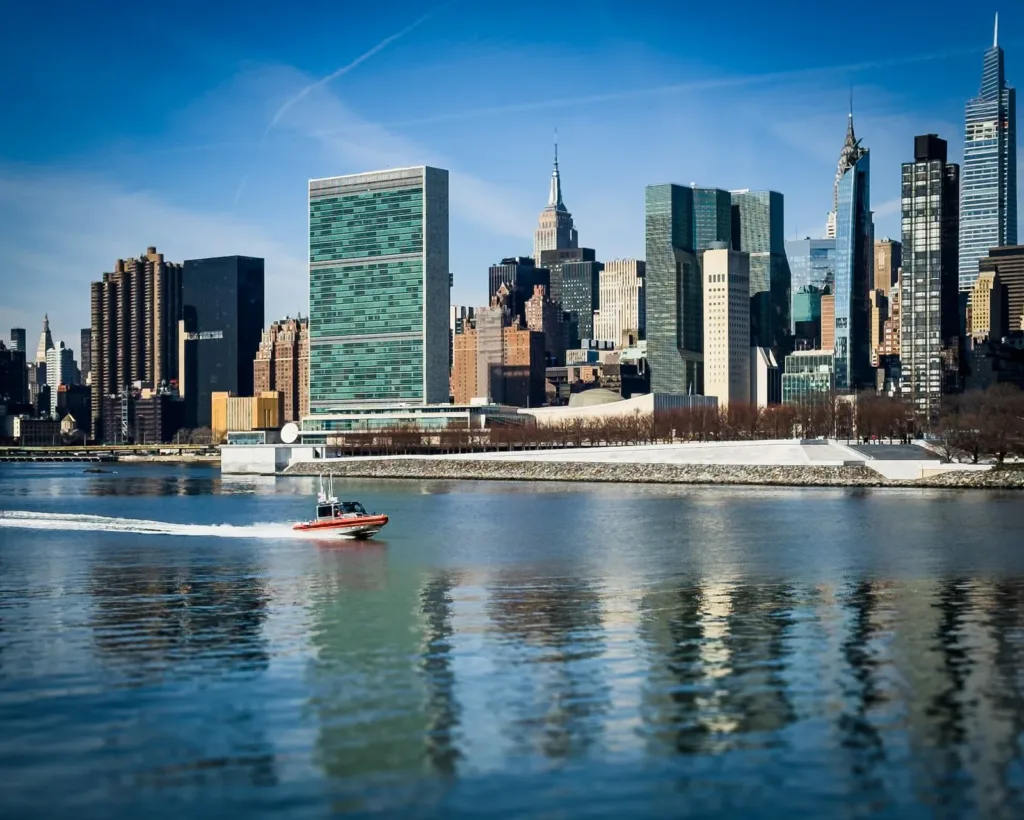
Representative image. Jdforrester, CC BY 4.0, Wikimedia Commons

Why it matters
How UN reports describe terror-linked groups shapes how other countries and international bodies see them. India wants the record to show that D-Company's leader is a fugitive from India living in Pakistan, not a group operating from Indian soil. The exchange is also part of a wider week of disputes between India and UN human rights experts.
India has objected at the United Nations to a UN expert’s report that described Dawood Ibrahim’s D-Company as an “India-based” criminal group. Raghoo Puri, First Secretary at India’s Permanent Mission to the UN in New York, raised the point on 21 October 2026, saying the report left out that Dawood Ibrahim has been wanted in India for terror attacks since 1993 and now lives in Pakistan.
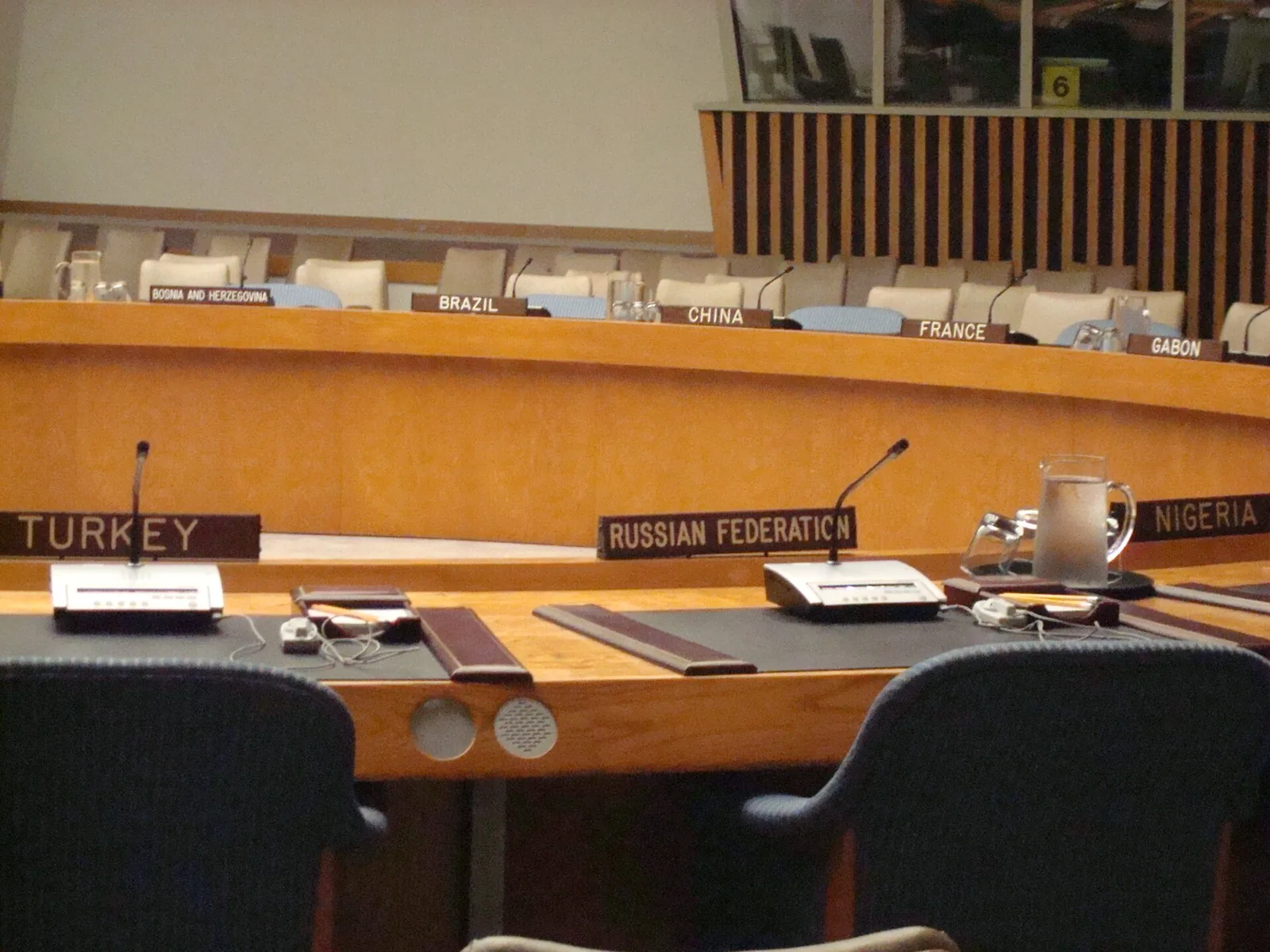
Puri was speaking in the UN General Assembly’s Third Committee, the committee that deals with social, humanitarian and human rights matters, during a dialogue with Ben Saul. Saul is the UN Special Rapporteur on the promotion and protection of human rights and fundamental freedoms while countering terrorism, an independent expert appointed by the UN Human Rights Council.
What the UN report said about Dawood Ibrahim’s D-Company
The report at the centre of the dispute is titled “Distinguishing organized crime from terrorism to protect human rights” and was released in July, the Hindustan Times reported. While discussing gangs with links to terror groups, it noted that the UN Security Council had listed the leader of “the India-based D-Company” in 2003 for association with Al-Qaeda.
The listing it refers to was made under the 1267 sanctions regime, the Security Council system that freezes assets and bans travel for people and groups linked to Al-Qaeda and the Islamic State. Each entry on that list comes with a published narrative summary explaining why the person was added.
Special rapporteurs are not UN staff. They are unpaid by the UN and are expected to work independently of it, the Hindustan Times noted. Saul has not commented publicly on India’s objection, according to the reports available so far.
India’s objection to the “India-based” label
Puri said the line about D-Company gave a misleading picture when read on its own. “Read in isolation, this line paints a very different picture from the actual reality,” he told the committee, according to The Times of India and the news agency ANI (Asian News International).
His main point was about the timeline. Dawood Ibrahim, he said, had been wanted in India in connection with terror attacks since 1993, and this is written into the narrative summary of reasons for his listing. He said Dawood fled India well before 2003 and was listed for his links to Al-Qaeda and Osama bin Laden while operating from outside the country.
“Not mentioning this fact is regrettable, and such incompetence on the part of special mandate holders does this organisation tremendous harm,” Puri said, as quoted by the Hindustan Times. Without naming the country, he added that Dawood Ibrahim lives in the same country where Osama bin Laden was found and killed, a reference to Pakistan. Bin Laden was killed in a US raid in Abbottabad, Pakistan, in 2011.
Wider complaint about UN expert reports
India’s statement went beyond the single line. Puri raised what he called serious concern that the special rapporteur was releasing reports with factual inaccuracies without being held accountable for them, The Times of India reported. He argued that once such reports are published, member states have little room to respond before the claims enter public debate.
He also used the session to answer remarks made by Pakistan’s delegation. Puri described them as propaganda serving the political aims of what he called Pakistan’s actual rulers, its military, and repeated India’s position that Jammu and Kashmir and Ladakh are integral parts of India. Pakistan’s full statement was not reported in detail in the coverage read for this article.
Other recent India and UN expert disputes
This is the third time in about a week that India has pushed back against UN human rights experts, which adds context to the Dawood Ibrahim exchange. On 20 October, Barkha Tamrakar, a deputy secretary in the Ministry of External Affairs, told the same committee that human rights should not be used to single out countries. She was responding to more than 20 UN experts in Geneva who had raised concerns about what they called a heavy-handed police response to youth-led protests in Delhi, the Hindustan Times reported.
Last week, India also described as “hearsay” a separate UN expert report about a satirical political movement formed by young people, and asked the expert to verify claims before publishing them, according to the same report.
The Third Committee’s session continues in New York. India’s statement was also posted on the X account of its UN mission in New York, as The Indian Express reported.
Frequently asked questions
What did the UN report say about D-Company?
It said the UN Security Council listed the leader of "the India-based D-Company" in 2003 for association with Al-Qaeda.
Who is Ben Saul?
The UN Special Rapporteur on the promotion and protection of human rights and fundamental freedoms while countering terrorism, an independent expert.
Where does India say Dawood Ibrahim lives?
India's diplomat said he lives in the same country where Osama bin Laden was found, a reference to Pakistan.