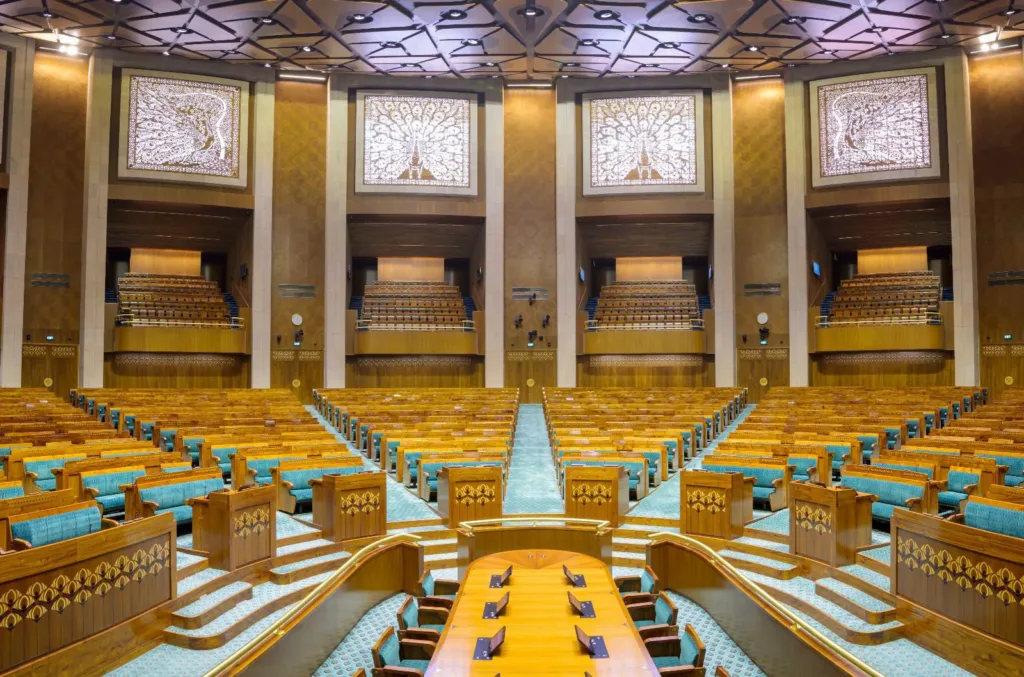
Representative image. Ministry of Parliamentary Affairs, GODL-India, Wikimedia Commons

Why it matters
The Chief Election Commissioner heads the body that runs every election and decides who stays on the voter roll, and the SIR row is about whether eligible voters were removed. The 30 October event shows how far the opposition has taken its campaign outside Parliament. It does not change the CEC's position: only Parliament can start a removal, where the opposition's first notices were refused and a fresh one awaits a decision.
The INDIA bloc (Indian National Developmental Inclusive Alliance) of opposition parties plans to hold what it calls a “public impeachment” of Chief Election Commissioner (CEC) Gyanesh Kumar at 3.30 pm on Friday, 30 October 2026, at 10 Rajaji Marg in New Delhi, the official residence of Congress president Mallikarjun Kharge. Congress general secretary Jairam Ramesh announced the venue in a post on X on 28 October, saying the bloc had been refused other locations, the Press Trust of India (PTI) reported.
The public impeachment is a political protest, not a legal proceeding. Under Article 324(5) of the Constitution, a CEC can be removed only in the way a Supreme Court judge is removed, through both Houses of Parliament and an order of the President. The opposition has tried that route in 2026: its first notices were refused in April, and a second notice in the Rajya Sabha has not, in the reports read, led to an inquiry.
What the INDIA bloc plans for its public impeachment on 30 October
Congress general secretary (organisation) K.C. Venugopal first announced the plan on X on 24 October. He wrote that the bloc would hold a “Public Impeachment proceeding” on 30 October at which the “public’s verdict” to remove the CEC would be delivered, according to PTI. PTI learnt at the time that it was planned as a “mock Parliament” at Hotel Ashok in Delhi.
By 27 October Venugopal was describing the 30 October programme as a mock removal of the CEC, a curtain-raiser for a larger event on 1 November in which about 21 parties would take part, the Indo-Asian News Service (IANS) reported. The format is known only as the bloc’s leaders have described it.
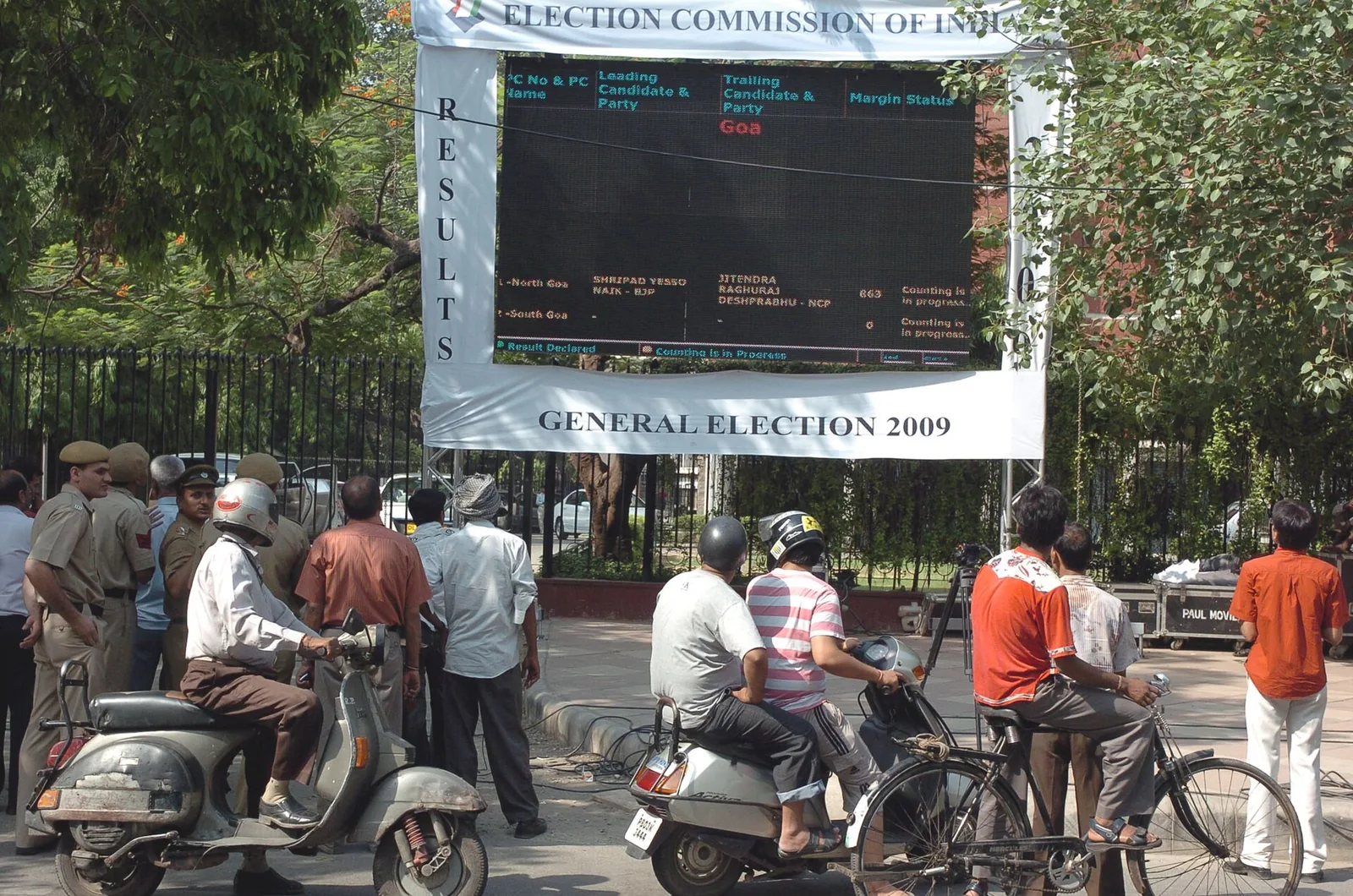
Why the venue moved to Mallikarjun Kharge’s residence
Venugopal told reporters on 27 October that the government-run Ashok hotel had first agreed to host the event on its lawn and then refused after the police intervened, IANS reported. The bloc then booked Ramlila Maidan, and he said the permission granted for the ground was later withdrawn. In PTI’s account, he said the Congress had booked the ground from 25 October to 3 November and that police stopped party workers from putting up structures there.
He said the decision was not the Delhi Police’s own and accused Prime Minister Narendra Modi and Union Home Minister Amit Shah of trying to protect the CEC. If the bloc was stopped again, he said, it would hold the protest at the homes of Shah and Modi. Neither the PTI nor the IANS report included a response from the Delhi Police, the hotel or the Union government.
What the opposition says about Gyanesh Kumar, and the EC’s position
In his 28 October post, Ramesh said Gyanesh Kumar “has demonstrably violated the letter and spirit of the Constitution” and called him the “willing executioner” for a “Diabolical Duo”, PTI reported. NewsDrum described that phrase as an apparent reference to Modi and Shah. These are the Congress leader’s allegations; no court has ruled on them.
The bloc’s campaign is about the Special Intensive Revision (SIR), the Election Commission’s house-to-house recheck of voter lists. Opposition parties allege irregularities linked to the deletion of lakhs of votes and want Kumar to resign, PTI reported. In Karnataka alone, the final roll published after the SIR had 99.32 lakh fewer names than before, as NewsPlainly reported on 27 October.
The PTI and IANS reports on the planned public impeachment did not include a response from the Election Commission. In an affidavit filed in the Supreme Court on 26 October, the Election Commission of India (ECI) said all three of its SIR orders were unanimous decisions of the CEC and both Election Commissioners, answering petitions that accuse Kumar of acting alone, NewsPlainly reported, citing LiveLaw.
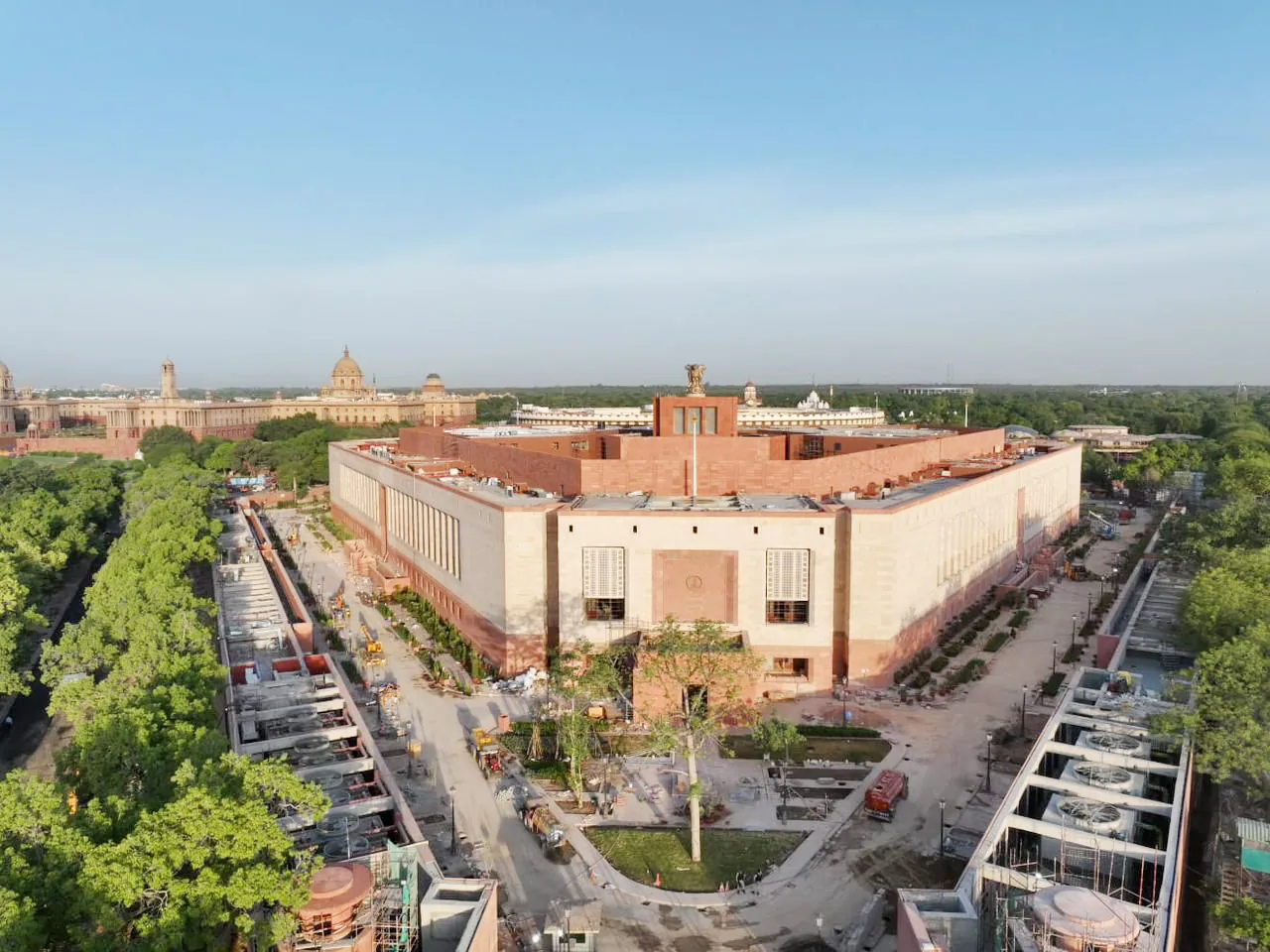
How CEC removal actually works under Article 324(5)
The Constitution protects the CEC’s job the same way it protects a Supreme Court judge’s. The first proviso to Article 324(5) says the CEC cannot be removed except in like manner and on like grounds as a judge of the Supreme Court, and that the CEC’s conditions of service cannot be changed to his disadvantage after appointment. The 2023 law on the appointment of the CEC and Election Commissioners repeats this in its section 11(2), PTI noted in an explainer. The other two Election Commissioners can be removed only on the CEC’s recommendation.
For judges, Article 124(4) allows only two grounds, “proved misbehaviour or incapacity”, and the Judges (Inquiry) Act, 1968 sets out the steps. Taken together, the route looks like this:
| Step | What the law requires | Where it comes from |
|---|---|---|
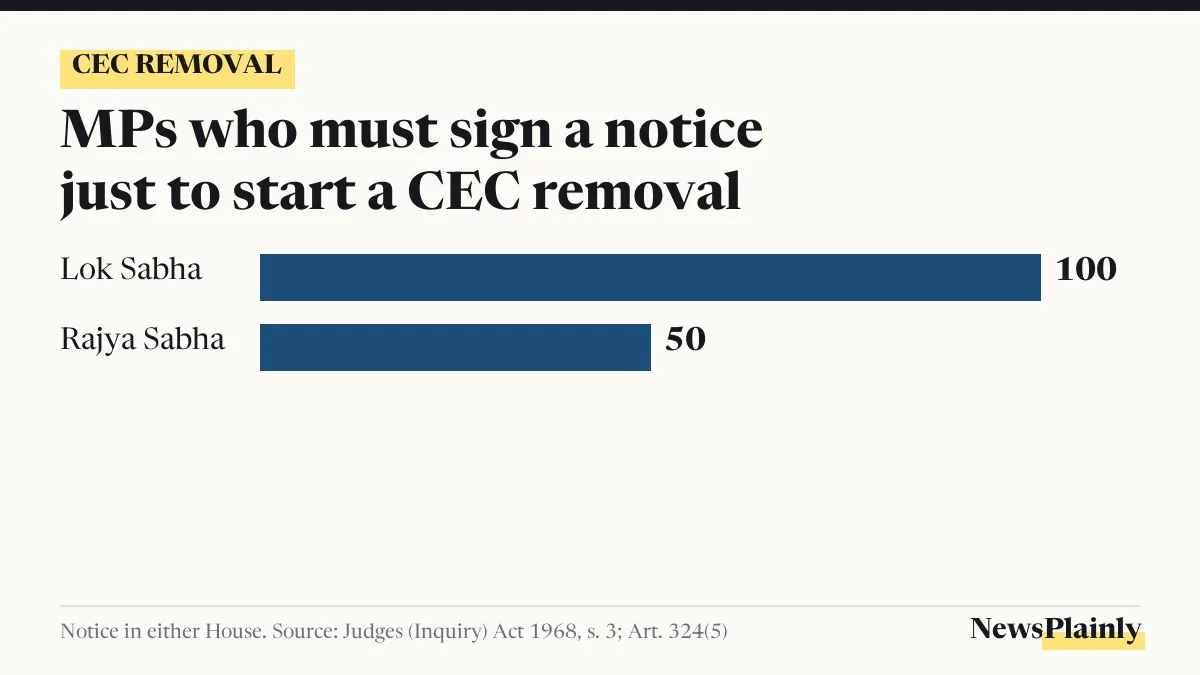
| 1. Notice of motion | Signed by at least 100 Lok Sabha MPs or at least 50 Rajya Sabha MPs | Judges (Inquiry) Act, section 3 |
| 2. Admission | The Speaker or the Rajya Sabha Chairman may admit the motion or refuse it | Section 3 |
| 3. Inquiry | A three-member committee (a Supreme Court judge, a High Court chief justice and a distinguished jurist) frames charges and hears the defence | Sections 3 and 4 |
| 4. Report | If the committee finds no misbehaviour or incapacity, the motion goes no further | Section 6 |
| 5. Vote in each House | A majority of the House’s total membership and two-thirds of members present and voting, in the same session | Article 124(4) |
| 6. Removal | An order of the President after both Houses present their address | Article 124(4) |
The opposition has already tried this process against Kumar, the first time a CEC’s removal was sought in Parliament, according to PTI. All India Radio reported on 7 April 2026 that Rajya Sabha Chairman C.P. Radhakrishnan and Lok Sabha Speaker Om Birla had refused to admit notices of motion for his removal given in both Houses, after what the secretariats called “a careful and objective assessment” of the issues. PTI reported that they held the allegations, even if true, did not meet the constitutional threshold of misbehaviour. That attempt ended at step 2.
On 24 April 2026, 73 opposition Rajya Sabha MPs signed a fresh notice, above the minimum of 50, listing nine charges and citing Article 324(5), Article 124(4) and the Judges (Inquiry) Act, PTI reported. Kerala Kaumudi reported on 25 September that the Chairman had yet to decide on it. NewsPlainly did not find a report of a later decision in the material checked on 28 October.
The 30 October public impeachment sits outside all six steps. Under these rules, any “verdict” announced at a party leader’s residence has no effect on the CEC’s office. Only Parliament and the President can remove him.
What comes after the 30 October event
The bloc has said the public impeachment is a curtain-raiser for a “Dilli Chalo” march against what it calls “vote chori” (vote theft) on 1 November, ending at Ramlila Maidan. Venugopal said on 24 October that at least a million people would take part, and Mahila Congress chief Alka Lamba put the party’s target at 10 lakh, PTI reported. Kharge had asked INDIA bloc parties to attend on both days, according to Venugopal.
Whether the rally can use Ramlila Maidan is unclear. Venugopal said on 27 October that the permission for the ground had been withdrawn, and the reports read up to the afternoon of 28 October did not say it had been restored. A Delhi traders’ body had earlier asked for the rally to be moved until after Bhai Dooj on 10 November, as NewsPlainly reported on 24 October.
Key dates so far:
- 24 October: Venugopal announces a “public impeachment” on 30 October and the 1 November march.
- 27 October: Venugopal says the Ashok hotel and Ramlila Maidan permissions were withdrawn.
- 28 October: Ramesh announces 10 Rajaji Marg as the venue.
- 30 October, 3.30 pm: the planned public impeachment at Kharge’s residence.
- 1 November: the planned Dilli Chalo march to Ramlila Maidan.
Frequently asked questions
What is the INDIA bloc's public impeachment of the CEC?
A protest event planned for 3.30 pm on 30 October 2026 at 10 Rajaji Marg, Mallikarjun Kharge's residence in New Delhi. Leaders have described it as a mock removal of CEC Gyanesh Kumar where a "public's verdict" would be announced.
Can a public impeachment remove the Chief Election Commissioner?
No. Article 324(5) allows removal only like a Supreme Court judge: a notice signed by 100 Lok Sabha or 50 Rajya Sabha MPs, an inquiry committee, a special majority in each House and an order of the President.
Why was the event moved to Kharge's residence?
K.C. Venugopal said the Ashok hotel and Ramlila Maidan first allowed the bloc's events and later withdrew permission after police intervened. Reports read carried no response from the police or the hotel.
Has the opposition tried to remove Gyanesh Kumar in Parliament?
Yes. All India Radio reported on 7 April 2026 that notices in both Houses were refused. On 24 April, 73 Rajya Sabha MPs signed a fresh notice; Kerala Kaumudi reported on 25 September that it was yet to be decided.