
Representative image. Yercaud-elango, CC BY-SA 4.0, Wikimedia Commons

Why it matters
Two groups carry more than nine in ten domestic flyers, so a large new investor could change fares and routes over time. But an airport owner with a stake in an airline raises the question of whether rival airlines get fair slots and access, which is what the government is weighing.
The Adani Group has asked the Centre for permission to invest in airlines, its chief financial officer (CFO) Jugeshinder (Robbie) Singh said on 27 November 2026. Mint called it the first public confirmation by a senior Adani official of the group’s interest in flying. The Adani airline plan runs into a contract rule: the group runs Mumbai airport, and that airport’s agreement bars its operator from owning more than 10% of a scheduled airline.
He spoke on the sidelines of the Trust India Debt Capital Market Summit in Mumbai. He did not name any airline the group might invest in, Mint reported. The reports read give no timeline for any Adani Group airlines investment.
What Adani’s finance chief said about airlines
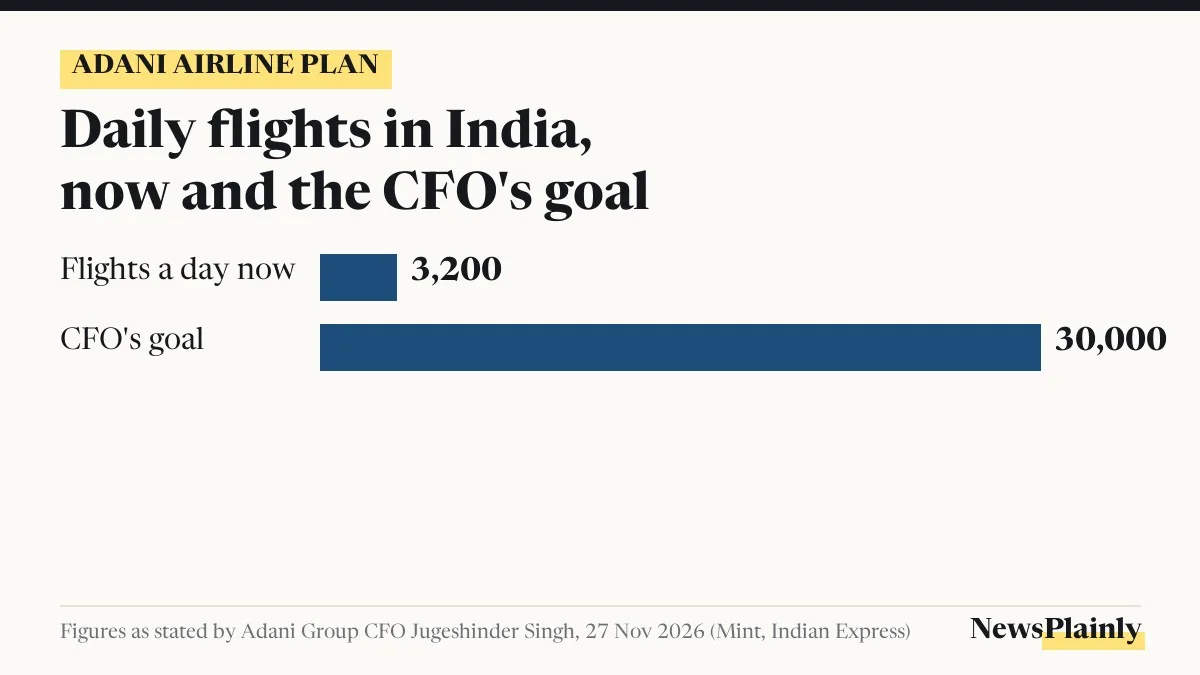
India has about 60 crore people who could fly but do not, Singh said. He added that the country runs about 3,200 flights a day when it should have 30,000. “That’s why we requested the government to at least allow us to invest, so that we can facilitate the development of airlines,” he said, according to the Indian Express and Mint. He listed a fund, another airline company or an entrepreneur who wants to start one as possible routes.
The Times of India reported that the group wants to invest in an existing carrier or back founders of startup airlines, and learned that it is not planning to launch an airline of its own. Singh linked the request to the airports the group has built: the infrastructure is there, he said, and airlines now have to speed up.
The 10% rule at Mumbai airport
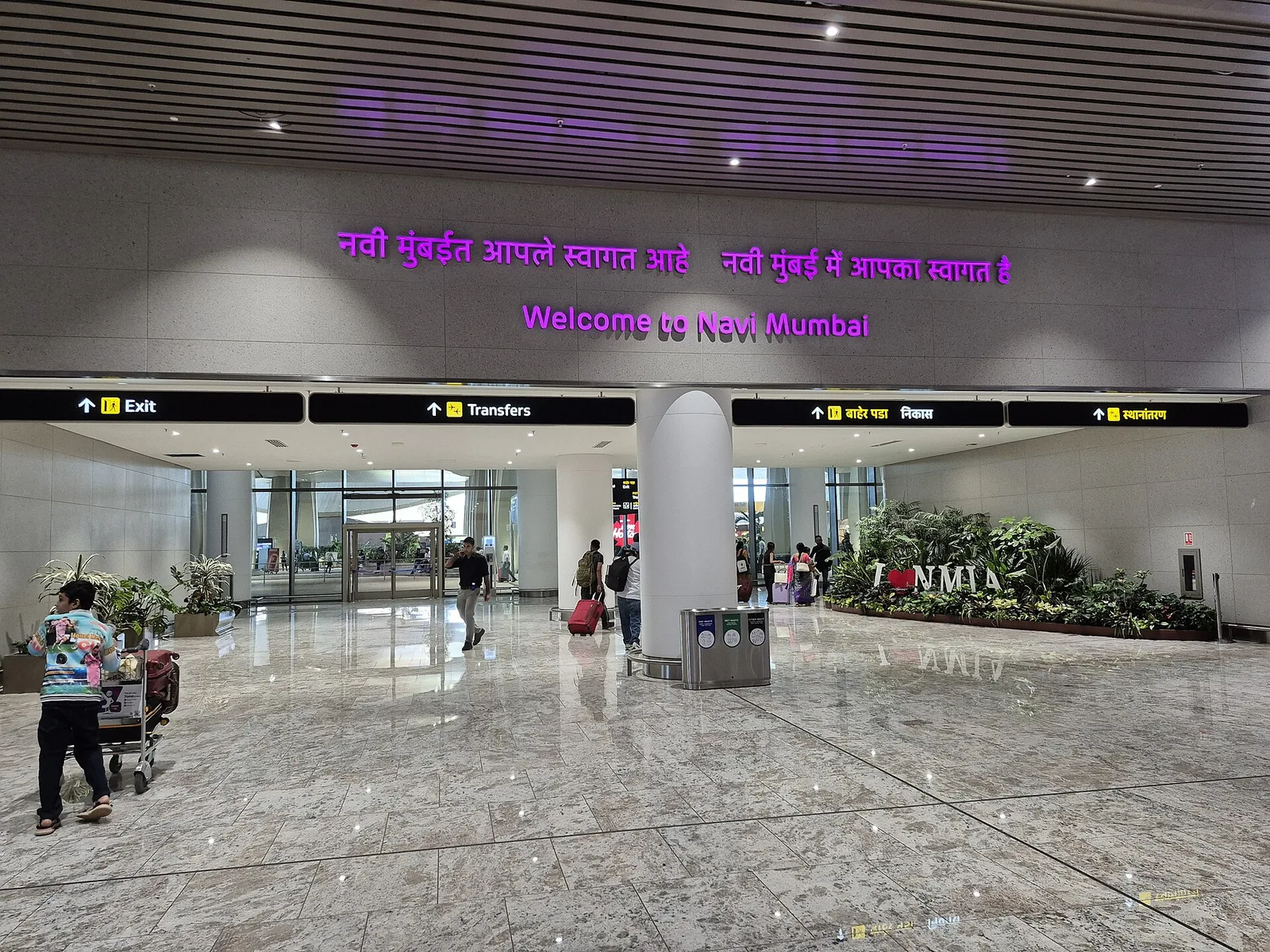
The Operation, Management and Development Agreement (OMDA) for the Mumbai and Delhi airports caps cross-holding both ways. A scheduled airline and its group cannot own more than 10% of the airport operator, and in effect the operator’s group cannot invest in or promote a scheduled airline, Mint reported. This cross-holding rule matters because Adani holds 74% of Mumbai airport; the GMR Group, another infrastructure company, holds 74% of Delhi’s.
There is no blanket national policy against airport operators owning airlines, the paper said; the limits sit in the contracts for some privately run airports. That is why any Adani Group airlines investment needs a waiver from the cross-holding rule, not a new law.
How the Adani airline plan has moved since June
- 4 June 2026: Adani sought an exemption from the cross-holding clause, the Times of India reported. Mint reported that Adani Airport Holdings chief executive Arun Bansal wrote to the Airports Authority of India (AAI) chairman in June asking for a waiver.
- July: Adani Enterprises told the stock exchanges it was not evaluating any proposal to enter the airline business. In the same month IndiGo managing director Rahul Bhatia said letting airport operators own airlines would create a “massive conflict of interest”, Mint reported.
- August: the civil aviation ministry told Parliament that AAI had received a request to waive the cross-holding cap, without naming Adani.
- September: Civil Aviation Minister K. Rammohan Naidu said no decision had been taken and the government would weigh the pros and cons. On 24 September Bansal said the company was in the airport business, according to the Times of India.
- 27 November: Singh confirms the group has asked to be allowed to invest.
The argument on both sides
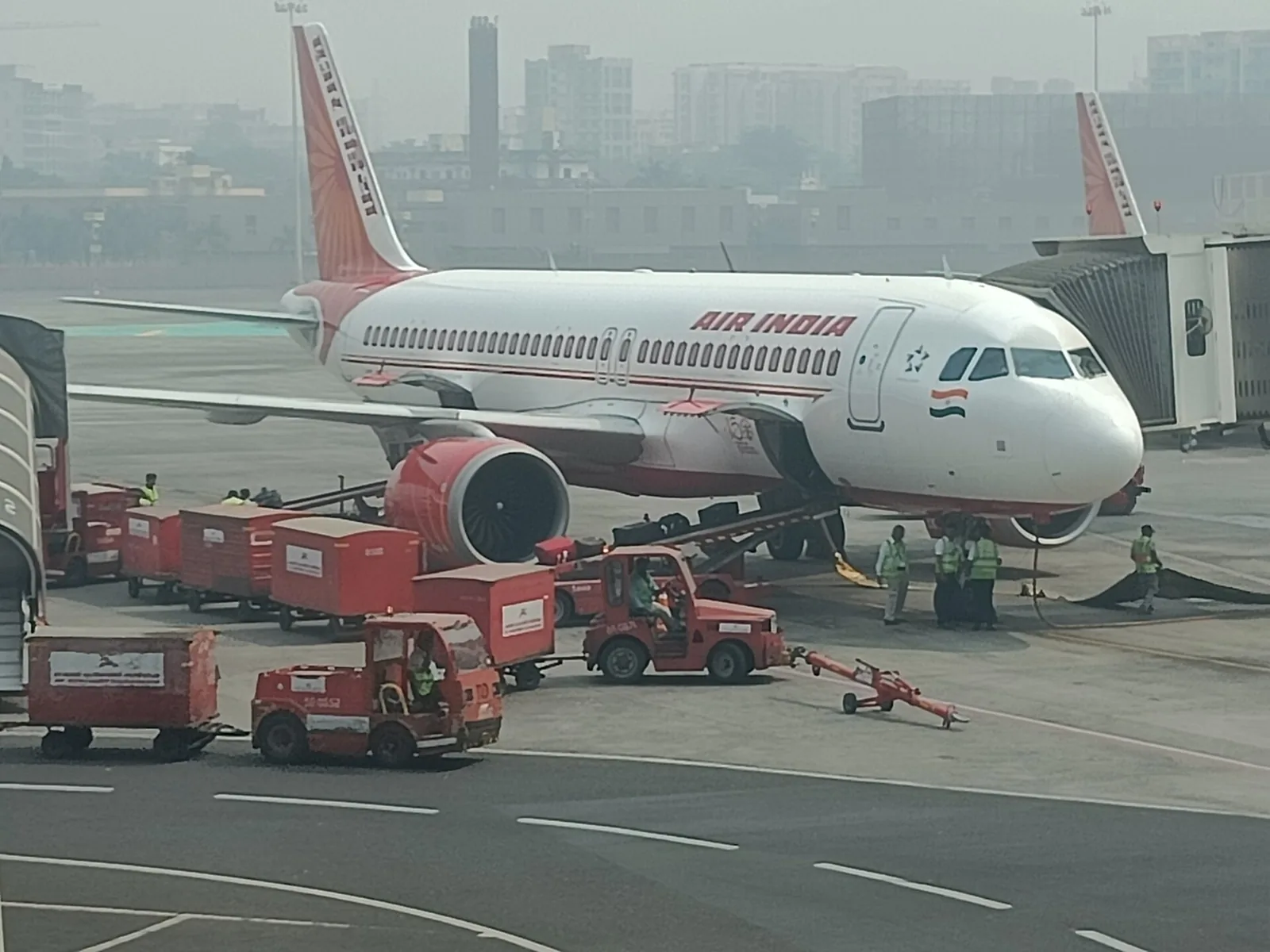
IndiGo and the Air India group together hold more than 90% of India’s domestic market, Mint reported, and the government has said it wants more airlines. Adani’s case is that backing another large airline would add competition.
In his letter to AAI, Bansal argued that airport neutrality could be protected through safeguards such as a slot allocation process that follows International Air Transport Association rules, oversight by the Directorate General of Civil Aviation and the Airports Economic Regulatory Authority of India (AERA), and information barriers between the businesses, Mint reported, citing what it had learnt of the letter. The worry about any Adani airline stake, as Bhatia put it, is that an airport owner could favour its own airline in slots and access.
What else the group said on Friday
For now the Adani airline question sits with the civil aviation ministry, which has to rule on the waiver. Singh said group companies expect to borrow ₹1.3 lakh crore to ₹1.4 lakh crore in each of the financial years 2026-27 and 2027-28, the Indian Express reported. He said the airport business, which now runs eight airports including Mumbai and Navi Mumbai, would be operationally ready for a demerger in calendar year 2027, with the boards to decide. NewsPlainly earlier reported IndiGo’s plan for 12 daily foreign flights from Navi Mumbai. Read the Indian Express report of Singh’s remarks.
Frequently asked questions
Is Adani starting an airline?
The group has asked the government to let it invest in airlines, its CFO said. The Times of India reported it is looking at an existing carrier or startups, not an airline of its own.
Why does Adani need government permission to invest in an airline?
The agreement for Mumbai airport, which Adani runs, caps cross-holding at 10% between the airport operator and a scheduled airline, so the group needs a waiver.
How many airports does the Adani Group run?
Eight in India, including Mumbai and Navi Mumbai, according to the Indian Express.