AI illustration by NewsPlainly. This is not the tanker Louise 1 or the site of the attack.
Why it matters
Indians make up almost 12% of the world's seafarers, and many work on foreign-flagged tankers that cross Hormuz. In October alone, four ships hit in the strait carried 67 Indian crew between them, 11 of whom were injured. A mine planted by a small boat is cheap and hard to spot, which adds a new risk on a route that carries around a fifth of the world's oil.
A limpet mine attack in the Strait of Hormuz has hit a crude oil tanker with 27 Indian seafarers on board. The Panama-flagged tanker Louise 1 caught fire in its engine room after explosives were stuck to its hull, and Shipping Minister Sarbananda Sonowal said on 30 October 2026 that all 27 Indians were safe and unhurt. Two more Indians, on a second tanker hit by a projectile in the same waterway on 29 October, are also safe, he said.
The attack is new in one important way. Maritime security sources told Reuters it was the first known successful use of limpet mines against a ship in the area since the US-Iran war began in February. Until now, ships in the strait have mostly been hit by missiles, drones and other projectiles.
How the limpet mine attack on the Louise 1 unfolded
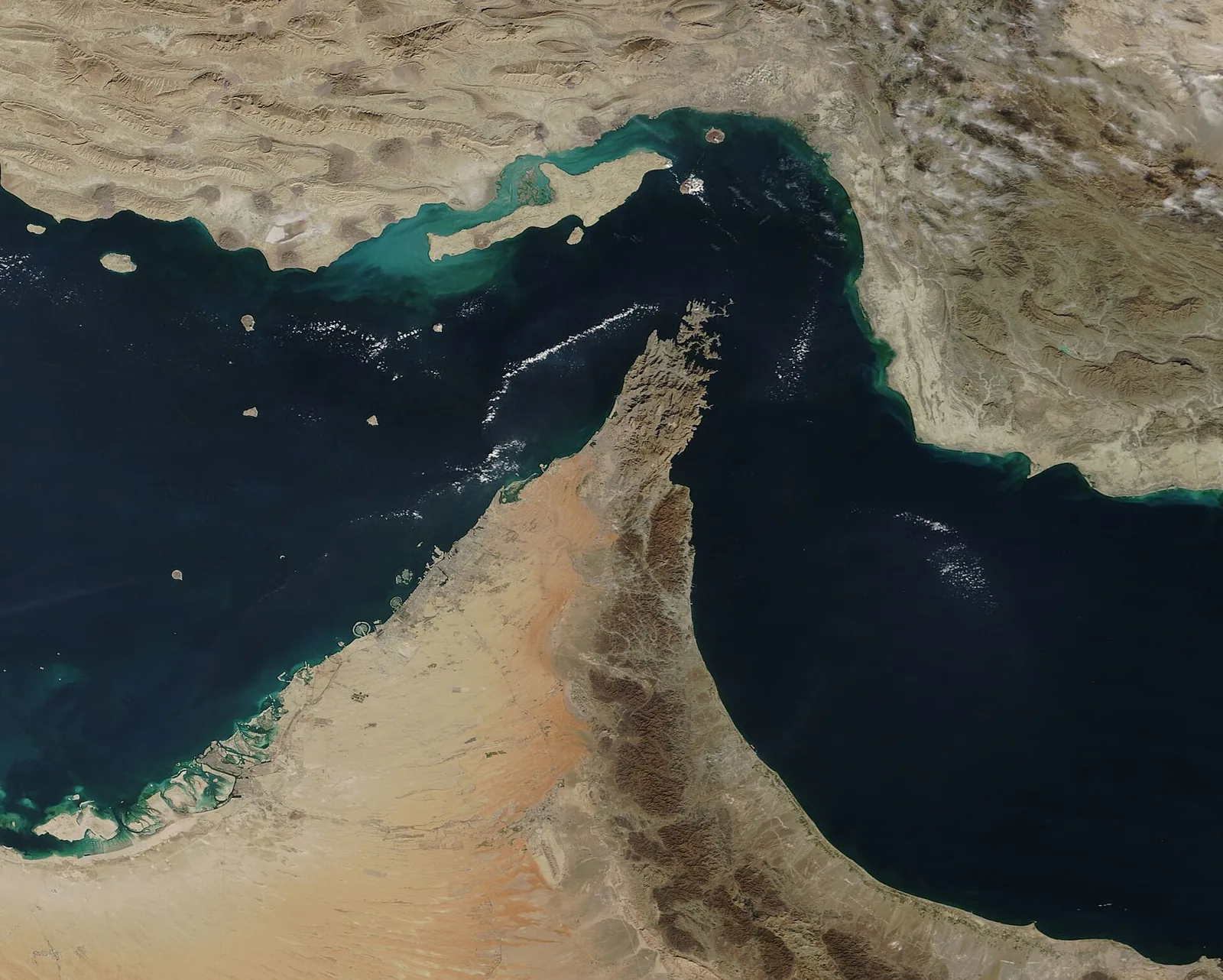
The United Kingdom Maritime Trade Operations (UKMTO), a British navy agency that collects reports from ships in the region, said the incident took place about 25 nautical miles (46 km) north-east of Khasab, a port on Oman’s Musandam peninsula. The tanker was sailing out of the strait at the time, according to UKMTO’s warning as reported by the shipping news site gCaptain.
A small boat came up to the tanker’s left (port) side and attached two explosive devices to the hull, UKMTO said. The blasts started a fire in the engine room and temporarily disabled the ship. The crew put the fire out, there was no environmental damage, and the tanker carried on with its voyage, the agency said.
UKMTO did not name the ship. Three maritime security sources told Reuters it was the Louise 1 and that the devices were limpet mines, and Martin Kelly, head of advisory at the security firm EOS Risk Group, named the same vessel to gCaptain. Reuters reported that it was not clear who carried out the attack.
The sources do not agree on the day. UKMTO placed the attack on Thursday, 29 October, and gCaptain also gives 29 October. Sonowal’s post on X said the Louise 1 was targeted on 30 October.
What the shipping minister said about the 29 Indians
Sonowal’s post named two ships. The Liberia-flagged very large crude carrier Arzanah, with 2 Indian nationals on board, was targeted on 29 October, and the Louise 1, with 27 Indians, after it. “All 29 Indian seafarers across both vessels are completely safe with no injuries,” he wrote, adding that the government was monitoring the situation and working with the ship management companies on the crew’s safety.
The same day, External Affairs Minister S. Jaishankar raised attacks on ships at a meeting of G20 foreign ministers. In a post on X, quoted by the Times of India, he said the Global South was “disproportionately bearing the consequences of attacks on civilian shipping and seafarers”, putting the supply and cost of fuel, food and fertilisers at risk. He called for an end to the attacks under international law, especially UNCLOS, the United Nations Convention on the Law of the Sea, and said India and Liberia had launched a joint initiative to protect seafarers.
Iran’s Islamic Revolutionary Guard Corps (IRGC) Navy made its own claims on 30 October. Iranian state media quoted it as saying four oil tankers had caught fire and exploded while using what it called unauthorised routes, and that one carrying more than 2 million barrels of crude had hit a mine. Reuters said it could not verify the statement. Iran also said it had destroyed an unmanned US vessel; US Central Command denied that, saying all its sea drones in the region were accounted for.
Indian crew on ships hit in Hormuz this month
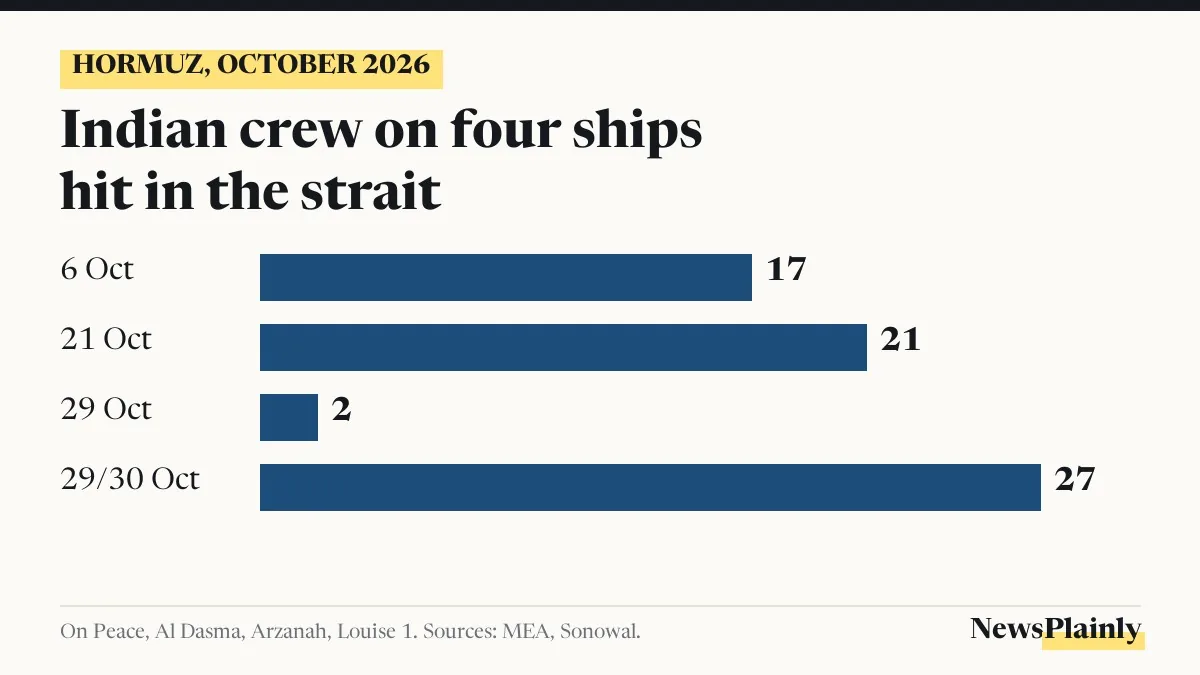
The Louise 1 is not the first ship with a large Indian crew to be hit in the strait in October. The table below brings together the four incidents in the reports NewsPlainly read. It is not a complete list of every attack.
| Date | Ship (flag) | Indian crew | Outcome for Indians |
|---|---|---|---|
| 6 Oct | On Peace (Panama) | 17 of 19 | 11 injured, treated in Khasab (MEA) |
| 21 Oct | Al Dasma (Kuwait) | 21 | All safe (Sonowal) |
| 29 Oct | Arzanah (Liberia) | 2 | Safe (Sonowal) |
| 29 or 30 Oct | Louise 1 (Panama) | 27 | Safe (Sonowal) |
Indians make up almost 12% of the world’s seafarers, the Indian Express reported, so attacks on foreign-flagged ships often put Indian crew at risk even when the ship has no Indian link. NewsPlainly reported the Al Dasma attack in its story on the 21 Indian seafarers on the Kuwaiti ship.
What a limpet mine is, and why this worries shipping
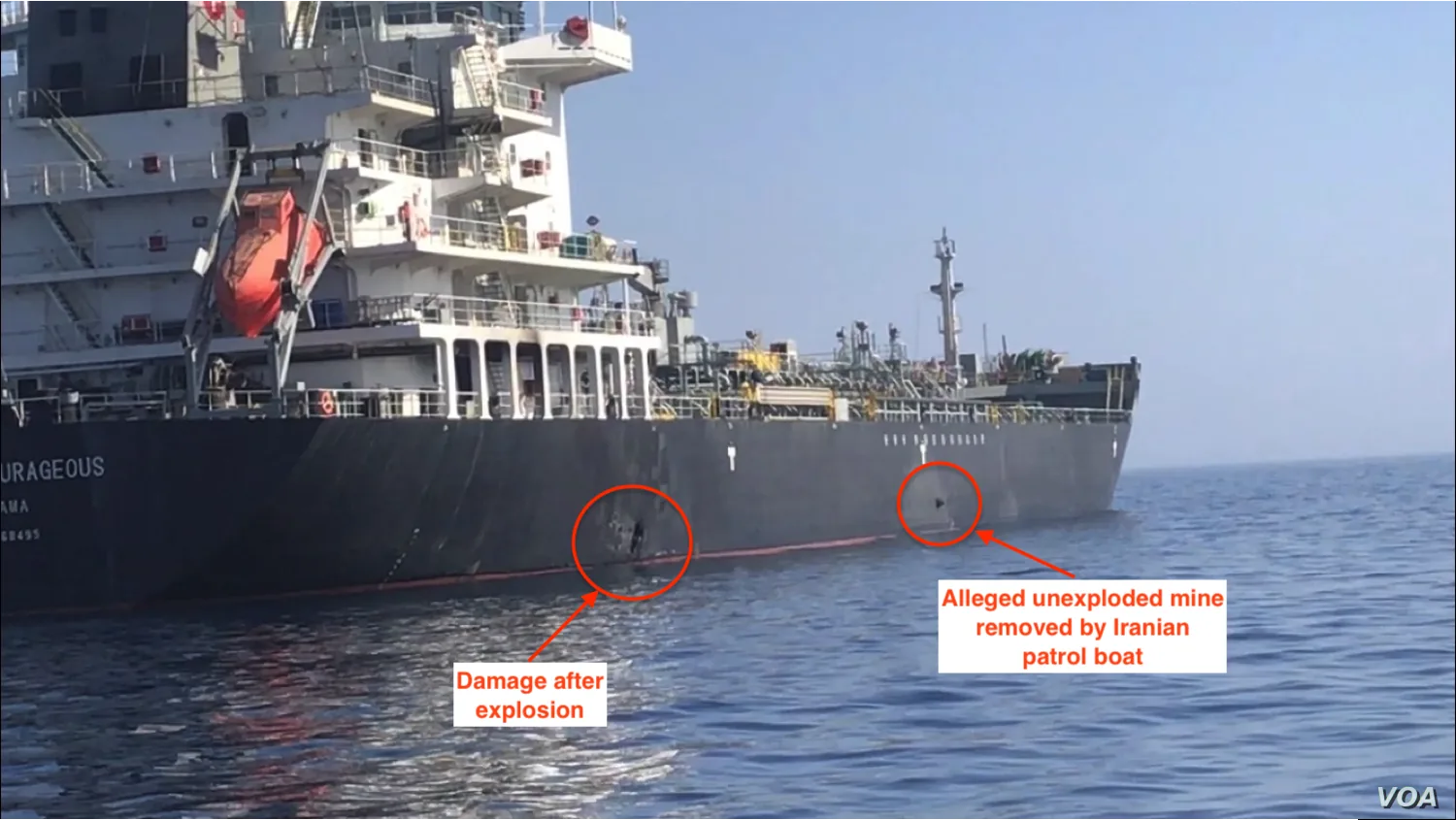
A limpet mine is an explosive charge fixed to a ship’s hull, often with magnets, by a diver or by people on a small boat. Unlike a sea mine, which lies in the water until a ship runs into it, a limpet mine is carried to its target and planted.
The Greece-based maritime risk firm Marisks said in a note quoted by Reuters that the devices are cheap and easy to get, and that a small craft reaching a moving tanker, planting explosives and getting away is a serious concern in the strait’s crowded shipping lanes. A previous attempt in September failed because the devices did not go off, two of the sources told Reuters.
EOS Risk Group’s Kelly told gCaptain that the last time Iran used limpet mines against merchant ships was in 2019: four vessels anchored off Fujairah in May, then the tankers Kokuka Courageous and Front Altair in the Gulf of Oman in June. He warned that ships waiting at anchor could be most exposed, because a mine placed below the waterline might not be noticed by the crew and would let water in.
How busy the strait is now
Ships are still using the route, but far fewer than before the war. UKMTO’s weekly overview of 30 October, as reported by gCaptain, counted 122 ships leaving and 155 entering the strait in its latest seven-day period, against 114 and 127 the week before. That is 277 transits against 241, or about 15% more, by NewsPlainly’s arithmetic. Combined traffic is still about 70% below pre-conflict levels, UKMTO said.
The same overview recorded 145 incidents linked to the Iran-US conflict in its reporting area since 28 February, 88 of them involving ships in the Strait of Hormuz up to 28 October. Of 81 projectile strikes reported since 6 July, 59 were on the southern route that the US is using to guide commercial ships through, it said.
Around a fifth of the world’s oil supplies pass through the strait, Reuters noted, and Indian crews work on many of the tankers that carry it. NewsPlainly has tracked Iran’s earlier claims of mine strikes in its 24 October report, which no independent body had confirmed at the time.
Frequently asked questions
Are the 27 Indian seafarers on the Louise 1 safe?
Yes. Shipping Minister Sarbananda Sonowal said on 30 October 2026 that all 27 Indians on the Louise 1 and both Indians on the Arzanah were safe, with no injuries.
Where was the Louise 1 attacked?
About 25 nautical miles (46 km) north-east of Khasab in Oman, while sailing out of the Strait of Hormuz, according to UKMTO.
When did the limpet mine attack happen?
UKMTO and gCaptain dated it to Thursday, 29 October 2026. Sonowal's post said the Louise 1 was targeted on 30 October.
Who attacked the tanker?
Reuters reported that it was not clear who was behind the attack. A small boat attached the explosives and left, UKMTO said.