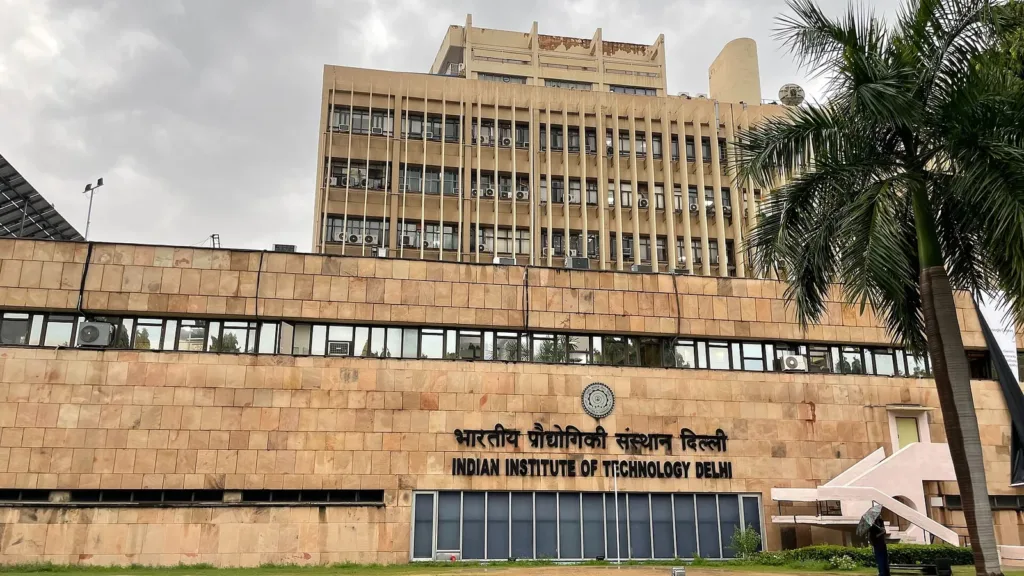
Representative image. Raydann, CC BY-SA 4.0, Wikimedia Commons

Why it matters
Many students and parents look at rankings when shortlisting colleges, and a fall can look like a warning. QS's own reading is that the fall mostly reflects stiffer competition across Asia: about two-thirds of the Indian universities that dropped still raised their overall scores. Where Indian universities did lose ground was reputation and international reach.
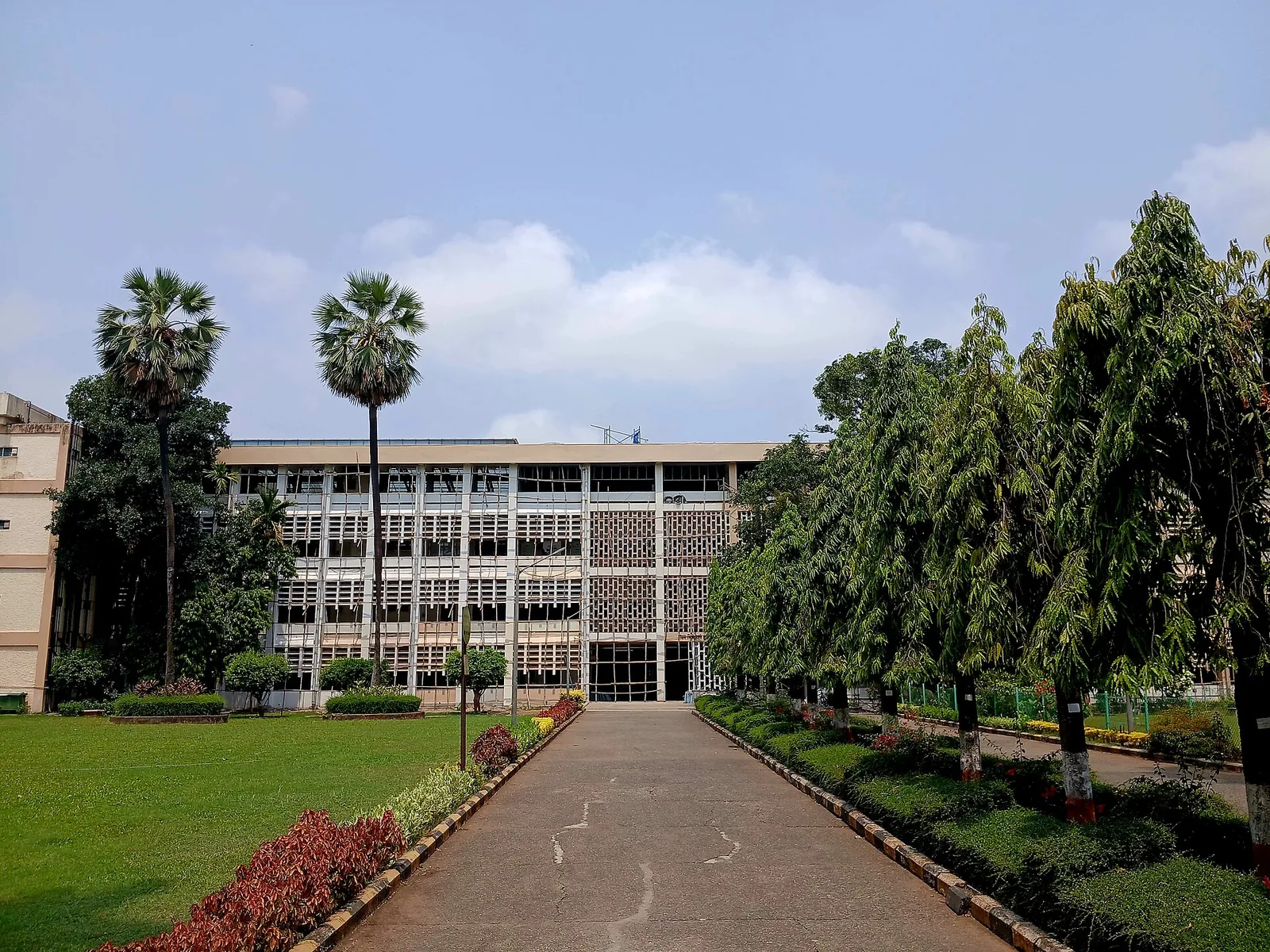
The QS Asia rankings 2027, released by the London-based analyst QS Quacquarelli Symonds on 3 November 2026, list 325 Indian universities, more than any Asian system except Mainland China. Most of them moved down. QS says 71% of the Indian universities ranked last year fell this time, 18% rose and 11% held their place. IIT Delhi is still India’s best at 66th, but it was 59th a year ago.
The fall reaches the very top. All six of India’s highest-placed institutions lost ground, and the University of Delhi dropped out of Asia’s top 100.
Where India’s top 10 stand in the QS Asia rankings 2027
The table below lists India’s ten highest-ranked institutions this year, in the order QS placed them, with last year’s rank beside each. Nine of the ten are lower than in 2026. Chandigarh University, up five places to 104th, is the only one that climbed.
| Institution | 2027 rank | 2026 rank | Change (places) |
|---|---|---|---|
| IIT Delhi | 66 | 59 | down 7 |
| IISc Bengaluru | 79 | 64 | down 15 |
| IIT Bombay | 83 | 71 | down 12 |
| IIT Madras | 85 | 70 | down 15 |
| IIT Kharagpur | 90 | 77 | down 13 |
| IIT Kanpur | 97 | 77 | down 20 |
| Chandigarh University | 104 | 109 | up 5 |
| University of Delhi | 106 | 95 | down 11 |
| IIT Guwahati | 120 | 115 | down 5 |
| IIT Roorkee | 124 | 114 | down 10 |
The Times of India’s list of leading Indian universities carries the same ranks but leaves out IIT Guwahati and IIT Roorkee, which The Indian Express’s full table places at 120th and 124th. The table here follows the full list.
IIT Kanpur and UPES had the steepest falls inside Asia’s top 200, 20 places each, The Indian Express reported. Lower down, Mahatma Gandhi University in Kottayam fell 202 places to 697th and Osmania University 180 places to 650th.
There were gains too. Lovely Professional University rose from 187th to 154th and Symbiosis International from 200th to 175th. Among public institutions, IIT (BHU) Varanasi moved from 237th to 219th, IIT Hyderabad from 270th to 251st and Jamia Millia Islamia from 197th to 183rd. India now has 21 universities in Asia’s top 200, against 20 in the previous edition and 17 in 2018, according to The Times of India.
What 71% actually means
The 71% is a share of universities, not a measure of how far India fell. QS’s Senior Vice President Ben Sowter made this point to The Indian Express, saying the figure is the proportion of India’s ranked universities that moved down. He added that a lower rank does not always mean a weaker university: about two-thirds of the Indian universities that dropped actually improved their overall scores, and IIT Bombay, IIT Delhi and IISc broadly held theirs.
NewsPlainly checked the percentages against The Indian Express’s count from QS’s own appendix. Of the 291 Indian universities that were also ranked last year, 208 fell, 51 rose and 32 kept the same rank or band. That works out to 71.5%, 17.5% and 11%, which matches QS’s rounded figures. Add the 34 first-time entrants and the total comes to 325.
Sowter’s explanation is competition. QS’s release says 1,722 universities from 26 higher education systems are ranked this year, including 195 new entrants. Near the top of the table, fewer than five points can separate universities 30 places apart, he told the paper. India is not alone either: in Japan 85% of ranked universities fell, and in Taiwan and Indonesia 70% did.
Reputation and global reach pulled Indian universities down
The indicator data shows where the points went. Academic reputation, which carries 30% of the weight in QS’s method, fell for 76% of Indian universities, The Indian Express reported. Employer reputation, worth 20%, fell for 83%. The international student measure dropped for 85%, and the two student exchange measures, inbound and outbound, dropped for 91% and 89%.
Research output was the bright spot. Papers per faculty, which counts research papers against the number of teaching staff, was the only indicator where more Indian universities rose than fell. Five of the top 10 in Asia on this measure are Indian: IISc Bengaluru is first, IIT Madras third, IIT Delhi seventh, IIT Roorkee eighth and IIT Ropar ninth, according to The Times of India. IIT Ropar’s 678th place overall shows how far a single strong indicator can sit from the overall rank.
Twenty-seven Indian universities are in Asia’s top 50 for papers per faculty, and 15 share first place for the share of staff holding a PhD. Influence is weaker. Only three Indian universities are in the top 50 for citations per paper, the measure of how often other researchers cite their work. On employer reputation, IIT Bombay is seventh in Asia and IIT Delhi tenth.

Delhi NCR (National Capital Region), Uttar Pradesh and West Bengal universities
The Indian Express’s full table, drawn from QS’s appendix, shows mixed results for the three regions NewsPlainly covers most closely.
- Delhi NCR: Delhi Technological University climbed 116 places to 584th and Jawaharlal Nehru University edged up from 130th to 128th. Guru Gobind Singh Indraprastha University fell from 258th to 395th, and the Indraprastha Institute of Information Technology (IIIT) Delhi from 544th to 631st.
- Uttar Pradesh: GLA University jumped from the 781 to 790 band to 491st, and Aligarh Muslim University rose from 278th to 268th. Banaras Hindu University slipped from 224th to 234th, and the University of Lucknow moved from the 781 to 790 band to 801 to 850.
- West Bengal: Jadavpur University fell from 214th to 222nd, the University of Calcutta from 220th to 251st and Presidency University, Kolkata, from 522nd to 614th.
How students can read the QS Asia rankings
The longer view is one of growth. India had 24 universities in these rankings in 2016 and has 325 now, Sowter told The Indian Express, a faster rise than Mainland China, Indonesia, Japan or South Korea. At the top of Asia, the University of Hong Kong stays first, ahead of Peking University, with Tsinghua University third, QS said in its release. Mainland China has 448 ranked universities, India 325 and Japan 153.
For a student comparing colleges, a drop of a few places is not by itself proof that a university got worse, according to QS’s own reading of this year’s results. The indicator scores, such as reputation, research output or international mix, say more about what changed than the overall number does. The Times of India noted that course quality, fees, faculty and placements still matter when choosing. Students also weighing a degree abroad can read our report on the UK’s planned Graduate visa changes.
Frequently asked questions
What is IIT Delhi's rank in the QS Asia rankings 2027?
IIT Delhi is 66th in Asia, down from 59th in 2026. It is still the highest-ranked Indian institution, ahead of IISc Bengaluru at 79th.
How many Indian universities are in the QS Asia rankings 2027?
325, including 34 first-time entrants. Only Mainland China, with 448, has more, QS said.
Did 71% of Indian universities get worse?
Not necessarily. QS's Ben Sowter told The Indian Express that 71% is the share that moved down the table, and about two-thirds of those still improved their overall scores.
Which Indian university rose most in the top 200?
Lovely Professional University climbed 33 places, from 187th to 154th. Symbiosis International rose 25 places to 175th.