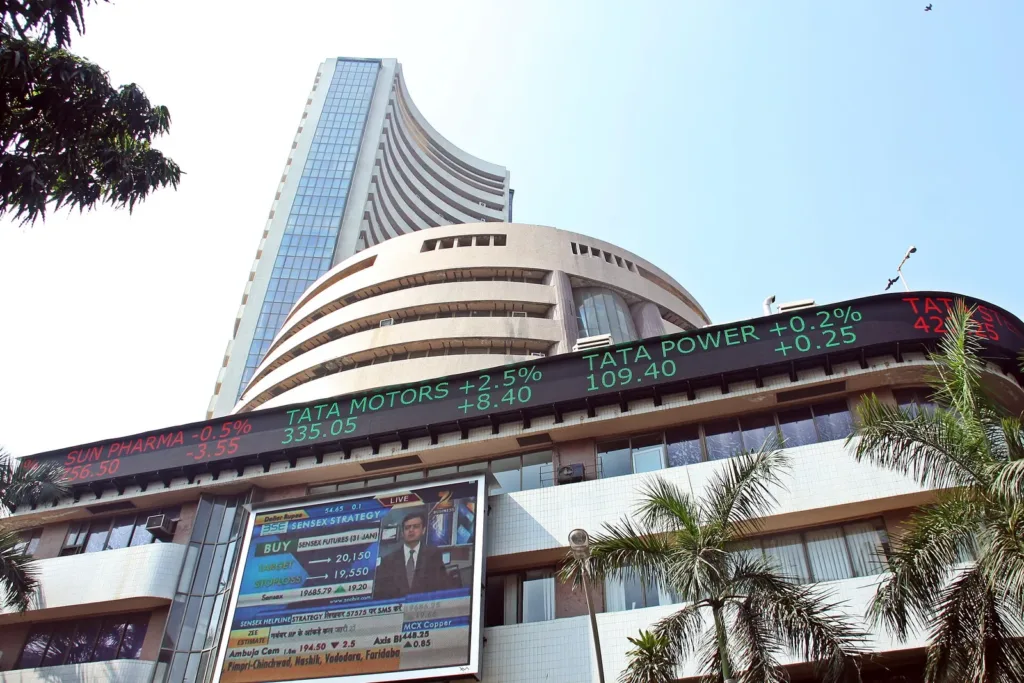
Representative image. BSEINDIA, CC BY-SA 3.0, Wikimedia Commons

Why it matters
The session is short and falls on a Sunday holiday, so a trader who misreads the window can miss it or place orders in the wrong stage. Trades made in it are real trades that must be paid for and delivered.
Muhurat trading 2026 will take place on Sunday, 8 November, with normal trading on the National Stock Exchange (NSE) and BSE running from 2:20 pm to 3:30 pm. The one-hour-and-ten-minute window is the exchanges’ special Diwali session for Laxmi Pujan, and it opens Samvat 2083, the new year in the traditional Hindu calendar that many Indian traders and businesses use for their account books.
The two exchanges set out the schedule in circulars issued in October, Business Today reported on 19 October 2026. Outlook Money quoted the NSE circular as saying that “a special live trading session shall be held on Sunday, November 08, 2026” on account of Muhurat trading on Diwali. NewsPlainly could not open the exchange circulars themselves, so the timings below come from these two reports, which each cite the circulars.
Muhurat trading 2026 timings, step by step
The Muhurat trading 2026 session is not just one block of trading. It starts with a short pre-open auction, moves into normal trading, and ends with closing and settlement steps. Business Today and Outlook Money gave the following times; each row names the report it comes from.
| Stage, Sunday 8 November 2026 | Time (IST) | Reported by |
|---|---|---|
| Pre-open session: market and limit orders | 2:05 pm to 2:10 pm | Business Today |
| Pre-open session: limit orders only | 2:10 pm to 2:15 pm | Business Today |
| Pre-open order matching | 2:15 pm to 2:17 pm | Business Today |
| Buffer before normal trading | 2:17 pm to 2:20 pm | Business Today |
| Normal market (continuous trading) | 2:20 pm to 3:30 pm | Business Today, Outlook Money (NSE) |
| Closing auction session: order entry begins | 3:20 pm | Business Today |
| Closing for stocks outside the closing auction | 3:35 pm to 3:50 pm | Business Today |
| Trade modification ends; cut-off for position limits and collateral | 3:40 pm | Outlook Money (NSE) |
| Market close, after settlement processes | 4:20 pm | Business Today |
The headline window, 2:20 pm to 3:30 pm, is the one both reports agree on. A broker’s notice on Zerodha’s forum gave the session as 2:20 pm to 3:40 pm; the 3:40 pm time matches the trade modification cut-off in Outlook Money’s account of the NSE circular, not the end of normal trading.
Muhurat trading 2026 is the first with a closing auction
Business Today said this will be the first Muhurat trading session since the exchanges introduced the Closing Auction Session (CAS). In the closing auction, eligible stocks get their closing price from a separate round of orders at the end of the day, instead of only from the last trades.
For Muhurat trading 2026, Business Today reported that CAS order entry starts at 3:20 pm and runs until 3:25 pm, with the system picking a random closing time in the final two minutes. From 3:25 pm to 3:30 pm only limit orders are accepted, and order matching is scheduled for 3:30 pm to 3:35 pm. Stocks that are not part of the closing auction go through their own closing process between 3:35 pm and 3:50 pm.
The reports do not list which stocks are in the closing auction. That list is set by the exchanges, and traders who need it should check the circulars or their broker.
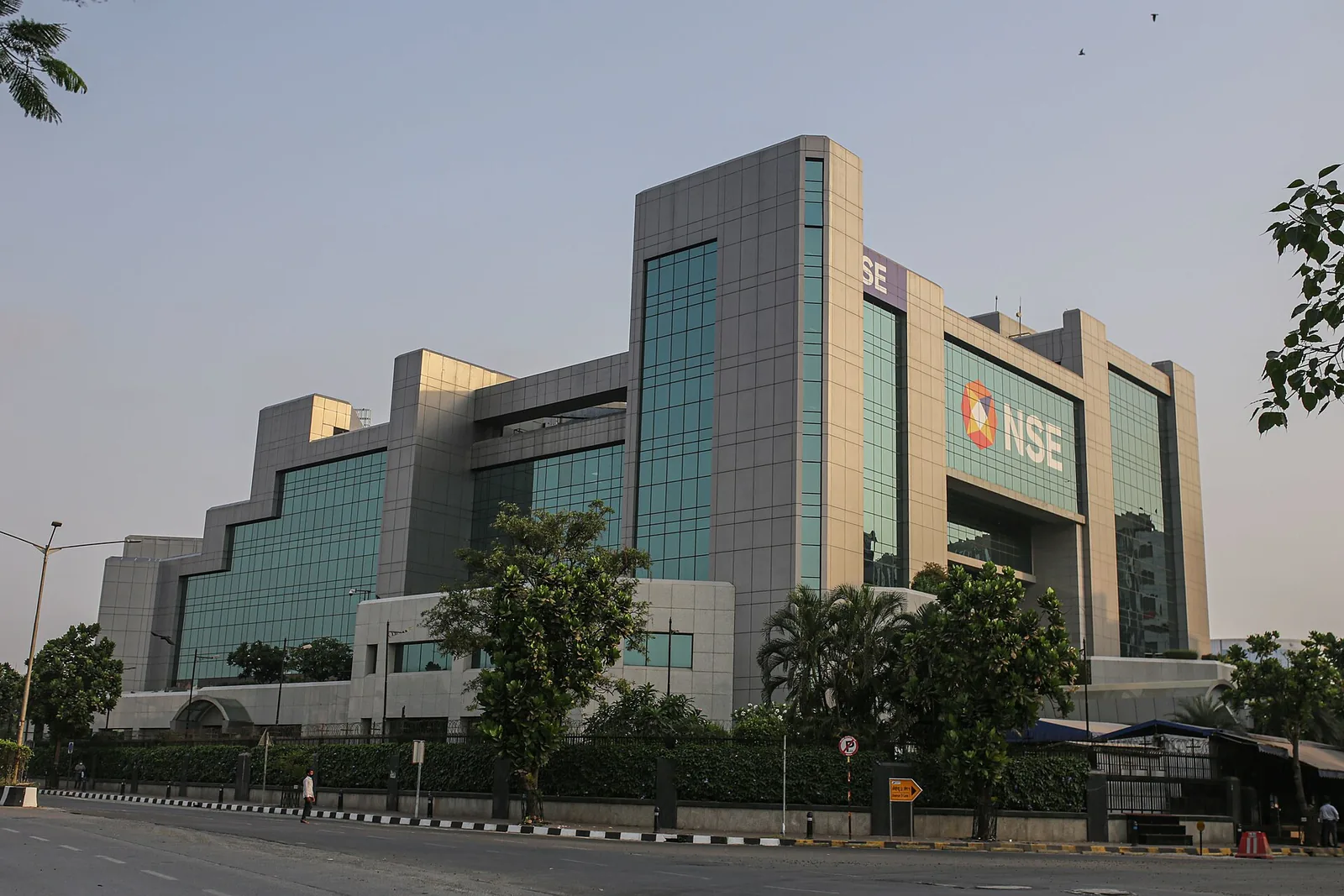
Who the Diwali session applies to
Muhurat trading 2026 is open to trading members of NSE and BSE and, through them, to investors who trade on the two exchanges. It is a live session, not a ceremony on paper. “All trades executed in this Diwali Muhurat trading session shall result in settlement obligations,” the NSE circular said, as quoted by Outlook Money. Business Today reported the same line from the exchange circulars.
In plain terms, a share bought or sold on Sunday afternoon is a real trade. The buyer has to pay and the seller has to deliver, just as on a normal working day. Brokers’ usual charges, taxes and margin rules are a matter for each broker and the exchange rules; the reports read by NewsPlainly did not set out any change to them.
Muhurat trading 2026 has about 70 minutes of normal trading. NewsPlainly does not give investment advice, and nothing in this article is a view on how prices may move on Sunday.
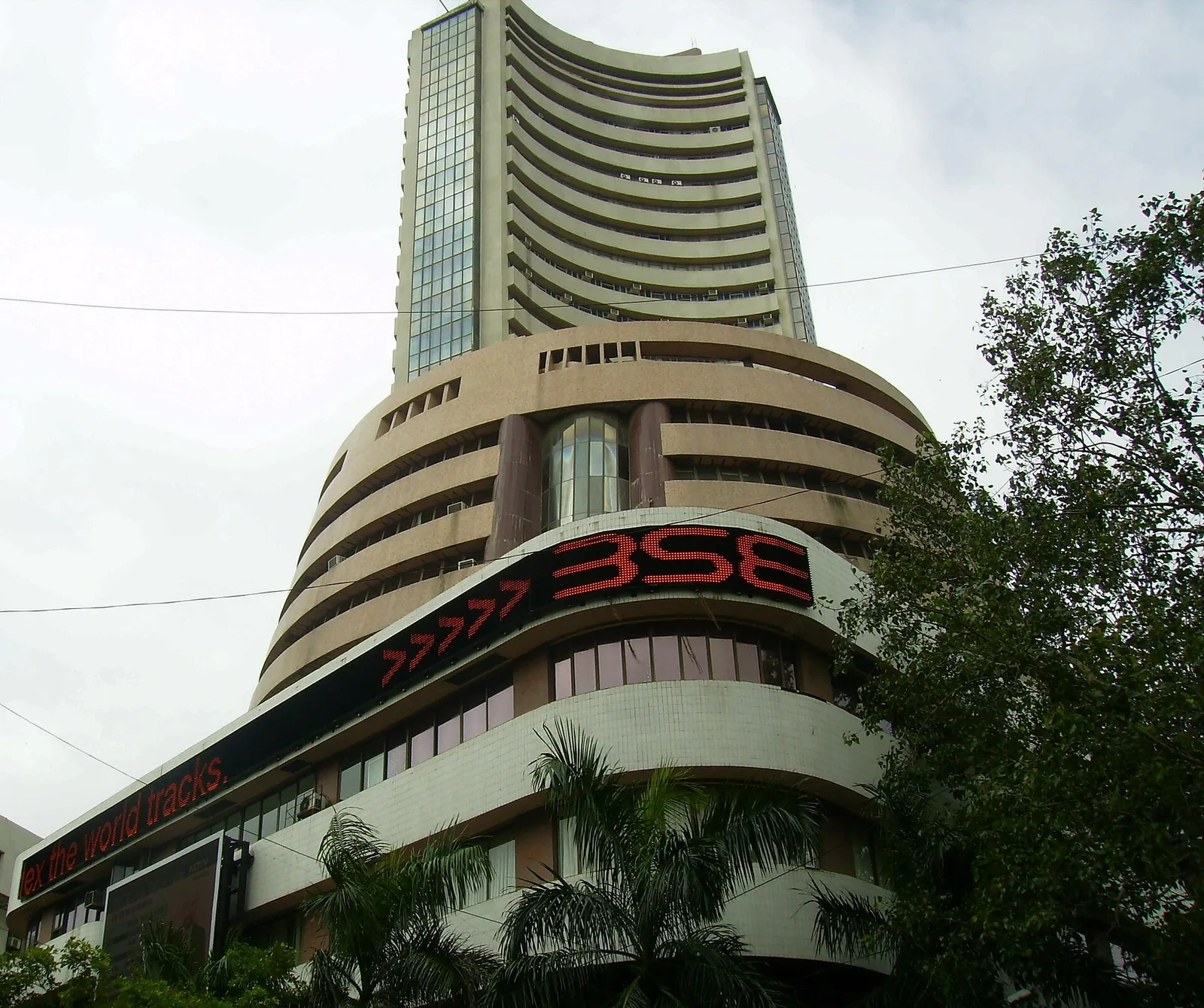
Why the exchanges open on a Sunday for Samvat 2083
Muhurat trading marks the start of Samvat, and the Diwali muhurat trading 2026 session opens Samvat 2083. Samvat is the traditional Hindu accounting year. Business Today said investors treat the session as an auspicious time to buy shares with a long-term view. BSE began the tradition in 1957 and NSE followed in 1992, the report said.
Stockbrokers and traditional business owners also perform rituals for their new account books at this time, Outlook Money reported.
What to check before Sunday
The Muhurat trading 2026 timings above are a schedule set in October and reported by two outlets. Anyone planning to trade should confirm the final times on the NSE and BSE websites or with their broker on the day, since exchanges can issue updates to a circular. More market news is on the NewsPlainly business page.
Frequently asked questions
What is the Muhurat trading 2026 timing?
Normal trading runs from 2:20 pm to 3:30 pm on Sunday, 8 November 2026, with a pre-open session from 2:05 pm to 2:20 pm, according to Business Today and Outlook Money.
Are trades in Muhurat trading settled?
Yes. The NSE circular, as quoted by Outlook Money, said all trades in the session result in settlement obligations.
Which Samvat begins with this session?
The 8 November 2026 session opens Samvat 2083, the new year in the traditional Hindu calendar.