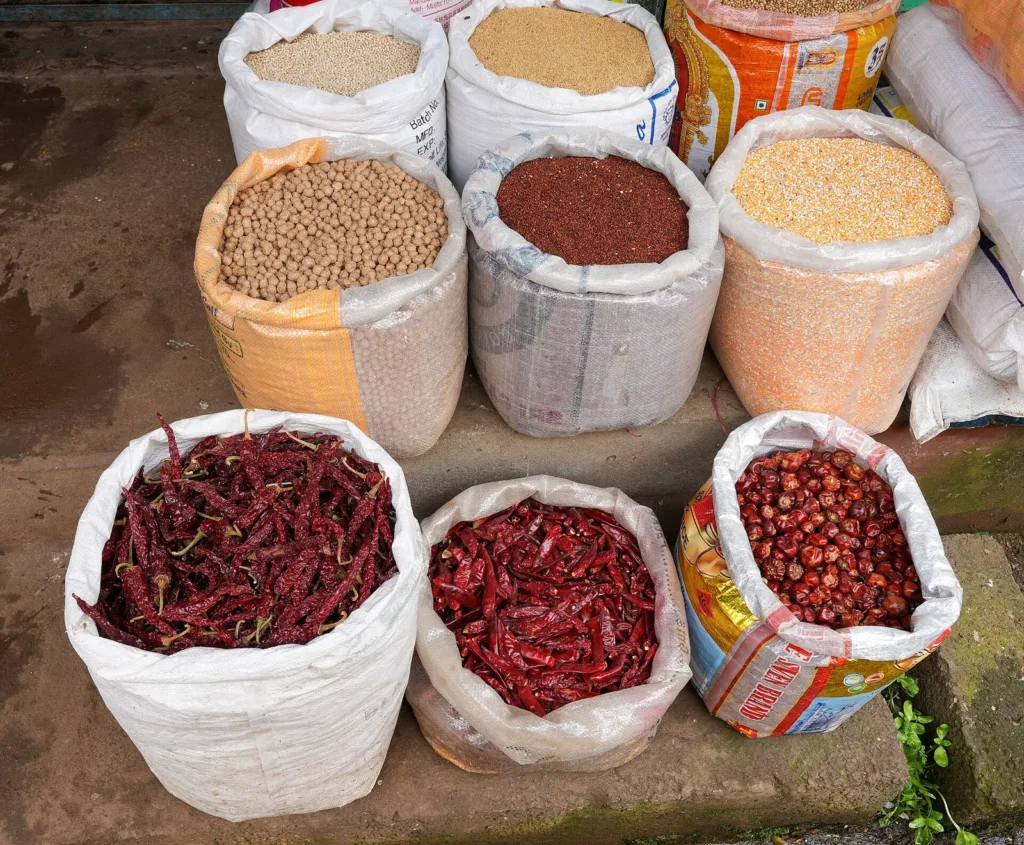
Representative image. Timothy A. Gonsalves, CC BY-SA 4.0, Wikimedia Commons

Why it matters
Dal is a daily staple, and tur has risen faster than urad or chana. The weekly reports give the government a regular count of what traders hold, which it can use before deciding on stock limits. The reports do not say it has decided to set any.
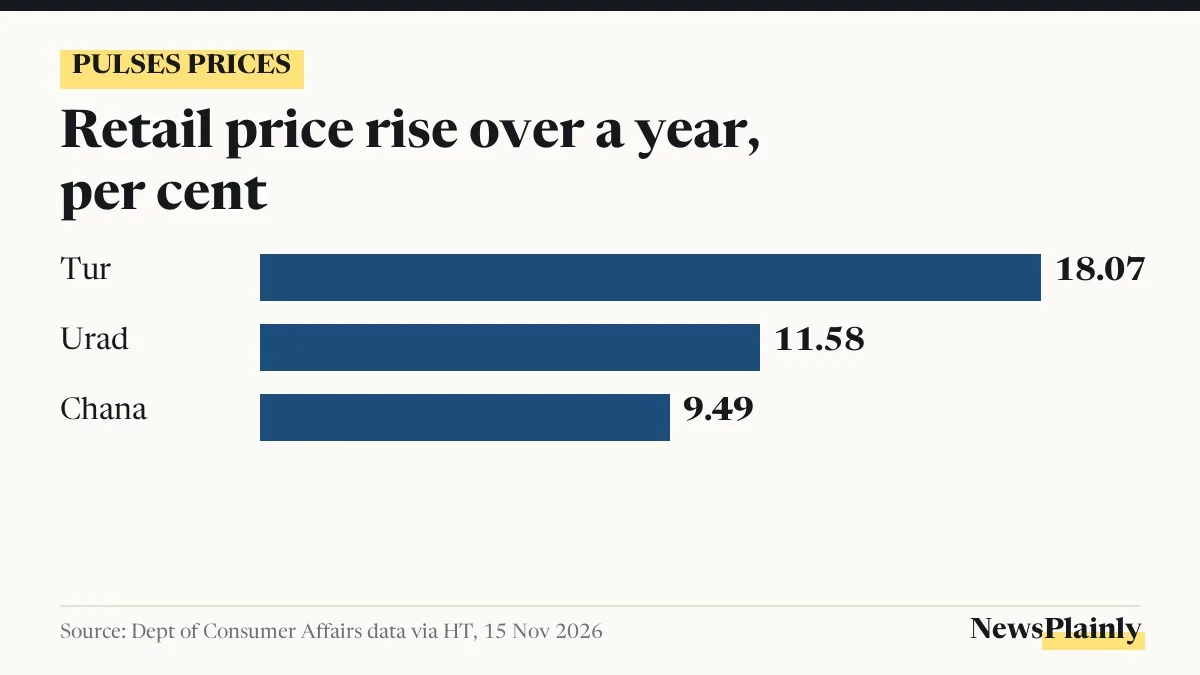
Pulses stock disclosure is now weekly: after the Consumer Affairs Ministry met the industry on 13 November, importers and millers have been asked to report their stocks on a government portal every Friday. The India Pulses and Grains Association (IPGA) passed this on to its members in an advisory, Hindustan Times reported. The all-India average retail price of tur (pigeon pea) was ₹135.21 a kg on 15 November, up 18.07% from a year earlier, according to Department of Consumer Affairs data cited by HT.
What the weekly pulses stock disclosure asks of traders
The meeting on 13 November was chaired by consumer affairs secretary Nidhi Khare, HT reported. The advisory asks members to declare all stocks held at warehouses and ports on the designated portal and to update them every Friday. It also cautions against speculative trading, pulses hoarding and any practice that could push prices up artificially.
The Economic Times reported that the ministry asked millers to begin mandatory weekly stock declarations, and told the industry there was no scope for a sharp rise in pulses prices once the festival season ended. Bimal Kothari, IPGA’s chairman, said the association would ask members to follow the instruction strictly. People who attended the meetings told ET that the government warned it could impose stock limits if prices keep rising. The secretary also asked state governments on Thursday to verify stocks, ET said.
Tamil Nadu has already gone further. HT reported that the state imposed stock limits on pigeon pea and black gram for three months from 13 November.
How far tur, urad and chana have risen
Food prices are already pushing retail inflation up: it reached 6.09% in October, as we reported on 12 November. The table uses the all-India average retail prices that HT took from the Department of Consumer Affairs.
| Pulse | Price on 15 Nov | Rise over a year | Rise since 15 Oct |
|---|---|---|---|
| Tur (pigeon pea) | ₹135.21 a kg | 18.07% | 3.58% |
| Urad (black gram) | ₹126.71 a kg | 11.58% | Not given |
| Chana (split chickpea) | ₹94.63 a kg | 9.49% | 3.2% |
NewsPlainly’s calculation: the tur dal price is ₹20.69 a kg higher than a year ago (₹135.21 minus ₹114.52). A household that buys 5 kg a month, an assumption for illustration, pays about ₹103 more.
Why the government says prices should not be rising
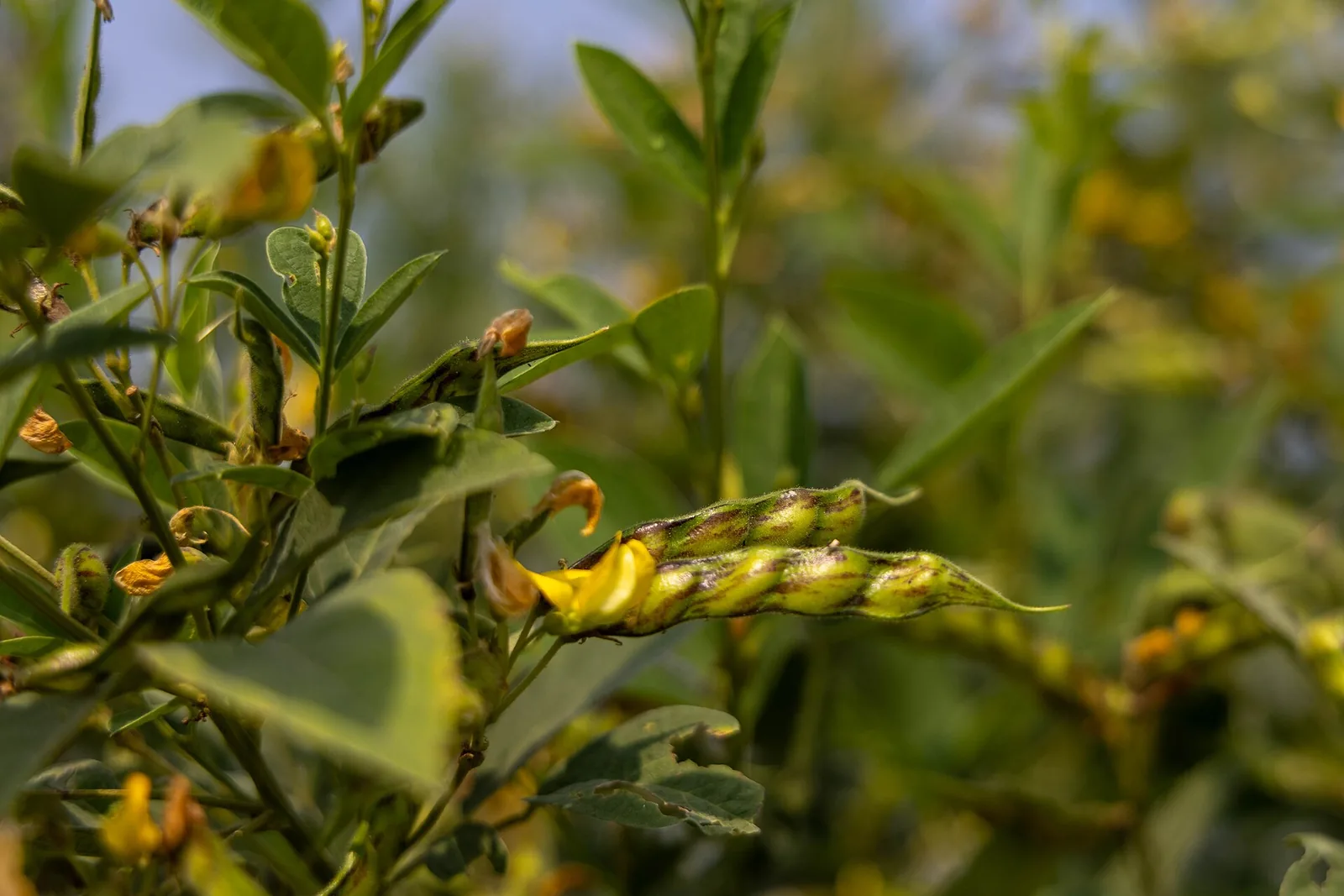
Sources at the meetings told ET that the government was concerned about the rise in pulses prices, given its expectation of good kharif and rabi production and a good buffer stock. It expects kharif tur output of 3.59 million tonnes in 2026-27, against the industry’s estimate of about 2.5 million tonnes. By NewsPlainly’s calculation that is 1.09 million tonnes, or about 44%, more than the industry expects. ET also reported that urad arrivals at mandis have been good and that imports from Africa, Myanmar and Brazil have been good.
Imports of the cheaper yellow pea, which food processors use in place of split chickpea to make gram flour, have more than doubled. India imported 624,700 tonnes in April to August 2026, up 114% from 291,926 tonnes a year earlier, according to government data dated 16 November that HT cited. August alone saw 100,136 tonnes, against 18,108 tonnes in August 2025. Tur imports rose 10% to 358,164 tonnes in the same five months.
What the trade says about chana and yellow peas
IPGA’s secretary, Satish Upadhyay, said one reason for the rise in chana prices was the repeated increase by government agencies in the tender prices at which they sell chana. Larger quantities per bidder also left stock with stockists instead of the market, he said, and the trade has asked for a shorter lifting period for bidders. ET also reported that the ministry has started talks with Russia to give yellow pea exports to India priority at its northern ports, a request IPGA had made.
What comes next
The reports do not give a date for any stock limit at the national level, or say what the ministry will do with the weekly figures. The weekly pulses stock disclosure is due each Friday, and the reports do not say how the ministry will act on suspected pulses hoarding. Tamil Nadu’s limit runs for three months from 13 November.
Frequently asked questions
How often must pulses stocks be declared?
Every week, on Fridays, on the government portal. The industry body IPGA asked members to declare stocks at warehouses and ports.
How much has the tur price risen?
The all-India average retail price was ₹135.21 a kg on 15 November, up 18.07% from ₹114.52 a year earlier, according to Department of Consumer Affairs data cited by Hindustan Times.
Has the Centre imposed a stock limit on pulses?
The reports read do not say so. Sources told The Economic Times that the government warned it could do so if prices keep rising. Tamil Nadu has set its own limits.