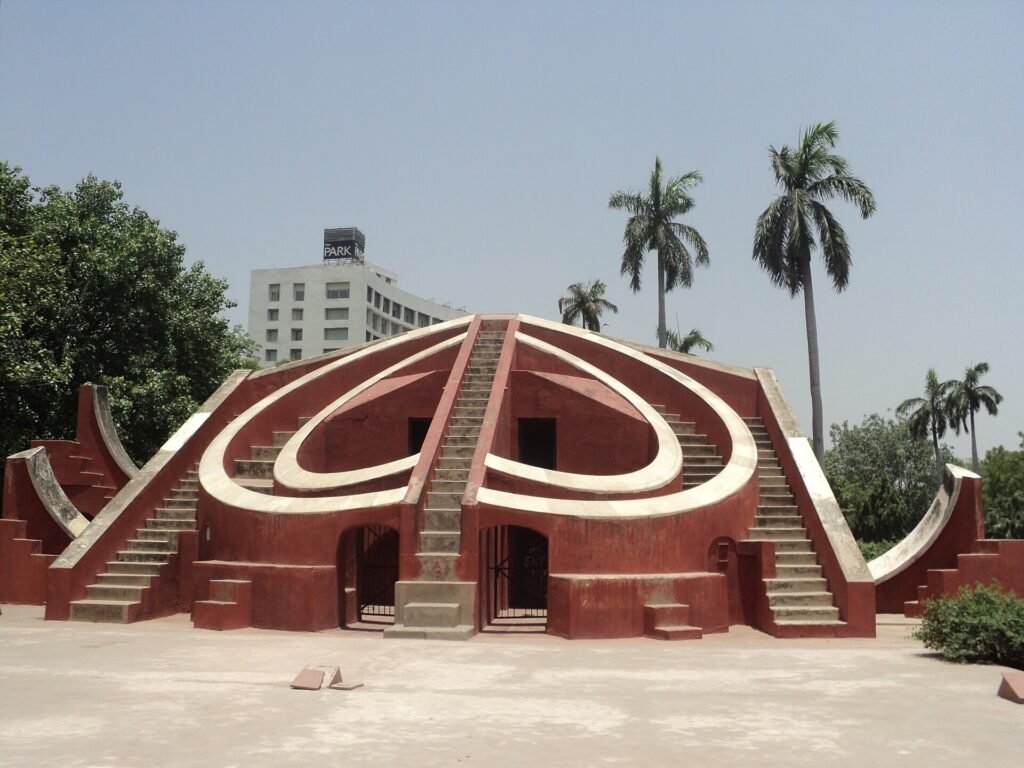
Representative image. Divya Gautam, CC BY-SA 3.0, Wikimedia Commons

Why it matters
The case tests how far preventive powers under the BNSS can be used to hold protesters who have not been charged with a crime. It also touches the right to protest in Delhi, since Jantar Mantar, the city's main protest site, is closed while the Supreme Court hears a challenge. Anyone planning a protest in the capital is affected by how these questions are settled.
Saurav Das and Ashutosh Ranka, two leaders of the Cockroach Janta Party (CJP), walked out of Tihar Jail on 21 October 2026 after seven days in judicial custody. A Special Executive Magistrate in Delhi ordered their release once they gave written promises not to call for any protest at Jantar Mantar while it remains closed as a protest site, and furnished bonds of ₹50,000 each.
The order came on the same day the Delhi High Court declined to hear their challenge to the custody, leaving the decision to the magistrate.
Why Saurav Das and Ashutosh Ranka were in custody
Delhi Police detained the two on 13 October after they entered the barricaded Jantar Mantar protest area by climbing over its gates, according to The Hindu. They were part of protests against the Election Commission’s Special Intensive Revision (SIR) of electoral rolls and demands for accountability from Chief Election Commissioner Gyanesh Kumar, Mint reported.
Jantar Mantar had been de-notified as a protest site on 11 October. A challenge to that decision is pending in the Supreme Court and has not been stayed.
The case is not a criminal trial. It is a preventive proceeding under sections 126 and 170 of the Bharatiya Nagarik Suraksha Sanhita (BNSS), which let an executive magistrate ask a person to sign a bond to keep the peace when a breach of peace is feared. Police said Saurav Das and Ranka had broken an earlier peace bond by going to the site.
An executive magistrate sent them to five days of judicial custody on 14 October. On 19 October, Special Executive Magistrate Ritu Raj extended it by two days and rejected the sureties offered for them. That order said their conduct showed a lack of respect for the law and pointed to their “habitualness” in calling for protests at de-notified places, Hindustan Times reported.
What the police and the defence told the magistrate
At Wednesday’s hearing, Delhi Police asked for three more days of custody. According to LiveLaw’s report of the order, police argued that the fear of a breach of peace continued because of statements and later conduct by Saurav Das and Ranka. They also cited a media comment by another member of the group on the way to Tihar, which police said undermined the court. The defence lawyers offered an unconditional verbal apology for that comment.
For Saurav Das and Ranka, advocate Abhik Chimni had argued earlier in the day that the custody could not be sustained, that the sureties were rejected arbitrarily and that preventive custody cannot be used in an arbitrary way.
The magistrate held that keeping the peace could be secured through bonds and that further custody did not appear necessary, given the written undertakings. In them, the two said they would not breach the peace, would protest only within the limits of the Constitution and had full faith in the courts, including the magistrate’s court.
Speaking after the order, Saurav Das said “Truth has triumphed”, Hindustan Times reported.
What the Delhi High Court said before the release
Earlier on Wednesday, Justice Subramonium Prasad of the Delhi High Court said Saurav Das and his colleague had another remedy, a revision petition, and suggested they wait for the magistrate’s hearing that afternoon. They withdrew the plea, and the court made no finding on the merits.
During the hearing, the judge remarked that breaking a barricade at a closed site raised the chance of more people joining in, and that police permission helps organisers keep out people who might damage their cause. Told that the two were 27 and 31 years old, he observed that they were not “Gen Z”, LiveLaw reported. He also said, according to LiveLaw: “Suddenly, we hear about regime change, which we normally do by ballot.”
Who runs these courts, and what happens on 23 October
The release order was passed by Ritu Raj, an Assistant Commissioner of Police acting as a Special Executive Magistrate. In Delhi, the law allows the Centre to give police officers of ACP rank and above the powers of an executive magistrate, Mint explained. Lawyers and courts have often raised questions about how these preventive powers affect personal liberty.
The inquiry against Ashutosh Ranka and Saurav Das continues. Both must appear at every hearing and keep to the terms of their bonds until it ends. The next hearing is on 23 October 2026 at 3 pm. A separate notice from another magistrate to All India Students’ Association president Neha Bora is being challenged in the High Court, Mint reported.
The wider question of whether Jantar Mantar can be closed to protests rests with the Supreme Court. For more political news, see our Politics section.
Frequently asked questions
Why were Saurav Das and Ashutosh Ranka in jail?
Delhi Police detained them on 13 October 2026 for entering the barricaded Jantar Mantar protest area. They were held in judicial custody under preventive BNSS provisions, not on a criminal conviction.
What are the conditions of their release?
Each furnished a personal bond and a surety bond of ₹50,000. They promised not to breach the peace or call for protests at Jantar Mantar while it remains de-notified, and must attend every hearing.
What is a Special Executive Magistrate?
An officer with executive magistrate powers meant to prevent breaches of peace. In Delhi, police officers of ACP rank and above can be given these powers.
When is the next hearing?
The magistrate listed the matter for 23 October 2026 at 3 pm.